2025 Top Corrugated Packaging Trends: Optimize Sustainability and Efficiency for a $300 Billion Industry
As the corrugated packaging industry continues to expand rapidly, projected to reach a value of $300 billion by 2025, understanding the key trends driving sustainability and efficiency is imperative for stakeholders. Industry reports indicate that the demand for eco-friendly packaging solutions has surged, with 72% of consumers willing to pay more for products that utilize sustainable packaging. This shift not only reflects changing consumer preferences but also emphasizes the necessity for companies to adopt more responsible practices.
According to packaging expert Dr. Lydia Wang, "The future of corrugated packaging lies in its ability to meet both environmental standards and operational efficiency." Her insights underscore the increasing importance of innovation in material usage and production processes. As brands seek to reduce their carbon footprints and enhance their supply chain efficiencies, adopting advanced technologies in corrugated packaging will be a game-changing factor.
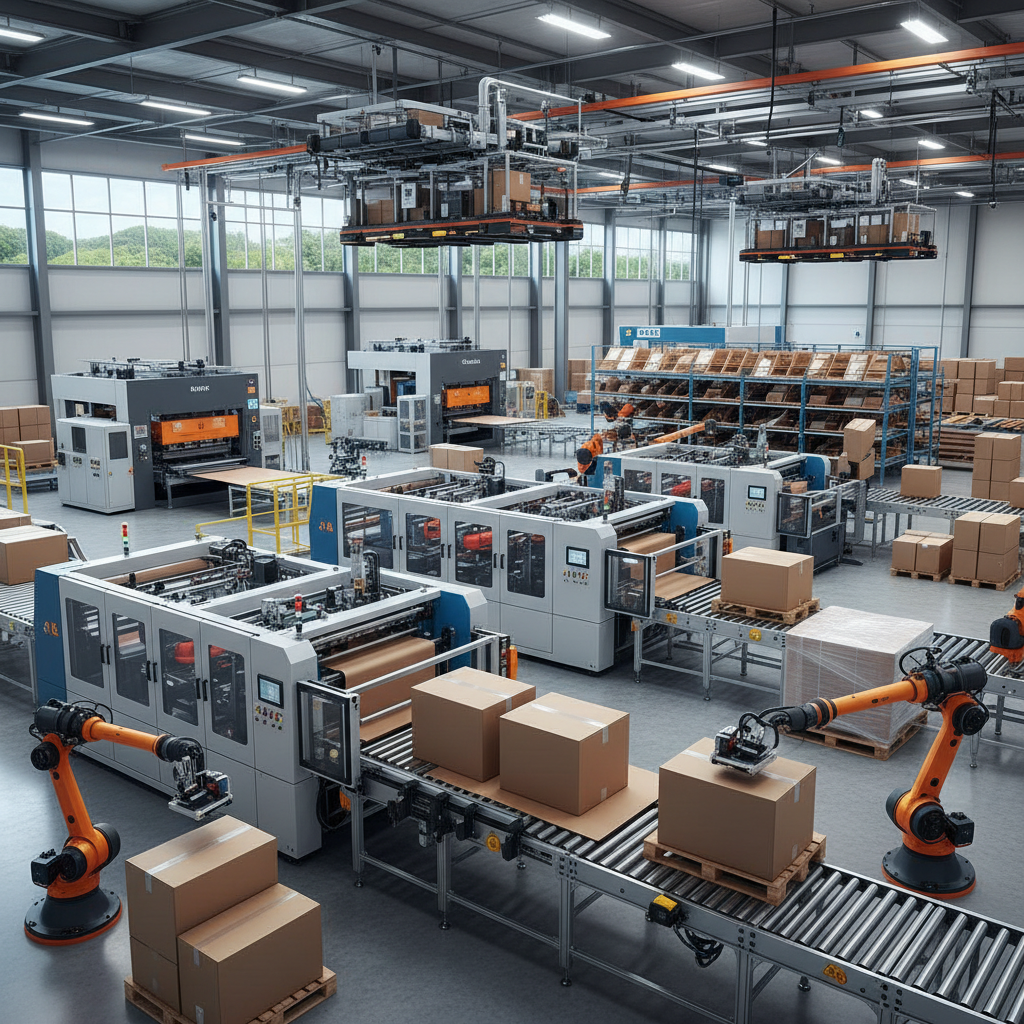
Furthermore, the integration of digitalization and automation is expected to revolutionize manufacturing practices within the corrugated packaging sector. By leveraging smart technologies, organizations can optimize their production lines, reduce waste, and improve overall service levels. In light of these dynamics, it is crucial for industry players to stay ahead of the curve and align their strategies with the evolving landscape of corrugated packaging.

Emerging Materials: Sustainable Innovations in Corrugated Packaging
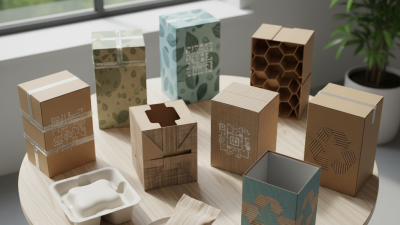
The corrugated packaging industry is witnessing a transformative shift towards sustainable innovations in materials. As consumers and companies alike prioritize eco-friendliness, manufacturers are exploring alternatives that reduce environmental impact while maintaining efficiency. Biodegradable inks, recycled fibers, and plant-based coatings are emerging as key components of this evolution. These materials not only minimize waste but also ensure that packaging solutions meet increasing regulatory requirements regarding sustainability.
Furthermore, the integration of advanced technologies such as digital printing and smart packaging solutions is helping to enhance the functionality of corrugated packaging. These technologies allow for more precise customization and reduced material usage, ultimately leading to cost savings for businesses. By leveraging sustainable innovations in materials alongside these technological advancements, the corrugated packaging sector is not only optimizing its operations but also paving the way for a more responsible and efficient future in a $300 billion industry.
Enhancing Efficiency: Automation and Technology in Production Processes
The corrugated packaging industry, projected to reach a staggering $300 billion by 2025, is increasingly turning to automation and technology to enhance production efficiency. According to a recent report by Smithers Pira, automated systems can boost production rates by up to 40%, reduce waste by approximately 20%, and lower labor costs significantly. As manufacturers adopt advanced machinery and AI-driven analytics, they are not only streamlining their processes but also adapting to the growing demand for sustainable packaging solutions.
Incorporating smart technology into the production line allows for real-time monitoring and adjustments, which improves overall operational efficiency. For instance, IoT-enabled devices facilitate predictive maintenance, minimizing downtime and extending equipment lifespan. A study by the Packaging Association indicates that production facilities using automation reported a 25% increase in throughput without compromising quality. The trend toward integrating these technologies in corrugated packaging is essential, as companies strive to meet both consumer expectations and sustainability goals in this rapidly evolving landscape.
Circular Economy Strategies: Reducing Waste in the Corrugated Supply Chain
The corrugated packaging industry, valued at approximately $300 billion, is increasingly focusing on implementing circular economy strategies to reduce waste throughout the supply chain. By rethinking design and promoting the use of recyclable materials, companies can significantly minimize their environmental footprint. According to a recent report by Smithers, around 30% of corrugated packaging is currently recycled globally, but there is potential for improvement. A well-executed circular economy initiative could boost this percentage and transform waste into valuable resources, further enhancing sustainability.
One key aspect of these circular strategies is the emphasis on collaboration within the supply chain. Companies are investing in partnerships that facilitate recycling and reuse of corrugated materials, thereby closing the loop. Data from Allied Market Research indicates that the global demand for sustainable packaging will surpass $500 billion by 2028. As consumer preferences shift toward eco-friendly options, businesses that embrace innovative circular practices will not only reduce waste but also enhance their competitive advantage in this rapidly evolving market.
Consumer Trends: Eco-conscious Choices Driving Packaging Design
As the demand for sustainable packaging solutions intensifies, eco-conscious consumer choices are increasingly shaping the design of corrugated packaging in 2025. According to a report by Smithers Pira, the global market for sustainable packaging is projected to reach $410 billion by 2027, reflecting a significant shift in consumer preferences towards environmental responsibility. This trend is driven by a growing awareness of climate change and the detrimental effects of plastic waste, prompting brands to prioritize eco-friendly materials that align with their customers' values.
Notably, the 2022 EcoFocus Trend Report indicates that 73% of consumers are willing to pay more for products with sustainable packaging. This statistic highlights the urgency for companies in the $300 billion corrugated packaging sector to innovate and adopt greener practices. Implementing designs that utilize recycled materials and optimize space for shipping can significantly reduce waste and emissions, while also appealing to environmentally-conscious buyers. As these trends continue to evolve, businesses that prioritize sustainability will not only enhance their brand loyalty but also position themselves advantageously in an increasingly competitive market.
Regulatory Compliance: Navigating Sustainability Standards in 2025
As the corrugated packaging industry is projected to reach $300 billion by 2025, regulatory compliance has become a critical focus for manufacturers. With increasing sustainability standards set forth by governmental bodies and industry associations, companies must navigate a complex landscape to ensure compliance without compromising on efficiency. According to a recent report by Smithers, the corrugated packaging market is expected to grow at a CAGR of 4.6% from 2020 to 2025, driven greatly by eco-friendly initiatives and the demand for sustainable materials.
To align with these evolving standards, companies are investing in advanced technologies and eco-design strategies that minimize waste and enhance recyclability. For instance, the 2020 Global Status Report by the World Resources Institute highlighted that over 80% of consumers would prefer packaging made from sustainable materials, pressuring brands to adopt greener practices. Additionally, the introduction of stricter regulations, such as the EU’s Packaging and Packaging Waste Directive, is pushing manufacturers to rethink their production processes, implement circular economy principles, and ultimately, enhance their product offerings in line with sustainability objectives. As the landscape continues to shift, businesses that prioritize compliance while optimizing their operations stand to gain a competitive advantage in this thriving market.
2025 Top Corrugated Packaging Trends: Sustainability and Efficiency