2026 Best Packaging Business Trends to Watch for Success?
The packaging business is rapidly evolving, and staying ahead of trends is crucial for success. According to recent market analysis, the global packaging industry is anticipated to reach $1 trillion by 2026. Innovations like smart packaging and sustainable materials are driving this growth. Companies must adapt to these changes to maintain competitiveness.
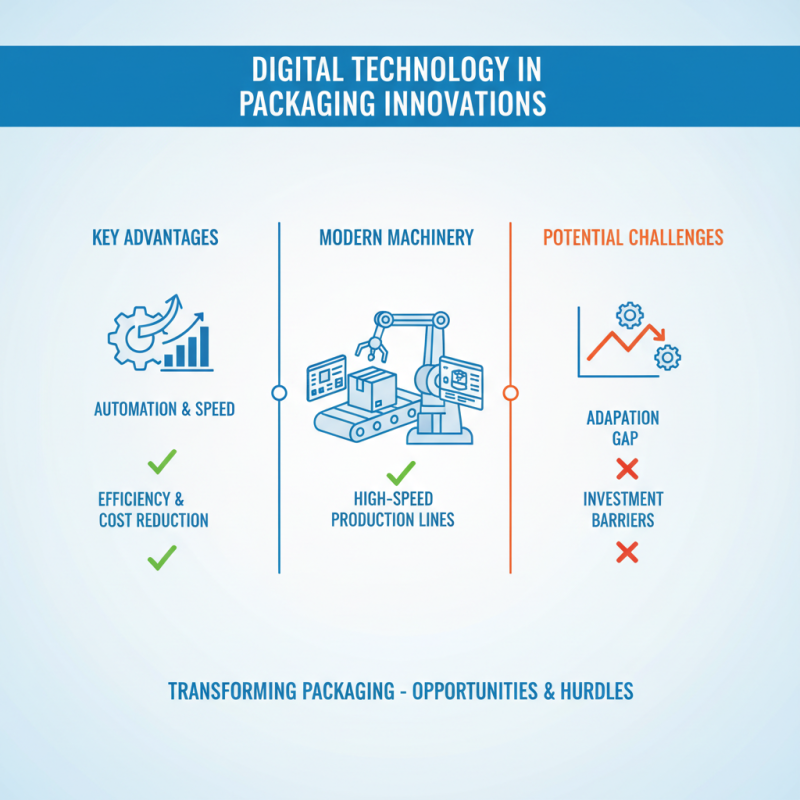
The upcoming 2026 Canton Fair reflects these industry shifts. It integrates AI technology, allowing buyers to find suppliers efficiently. With over 1.5 million square meters of exhibition space, speed and precision in navigation are essential. Yet, not every business fully embraces these innovations, risking their market position.
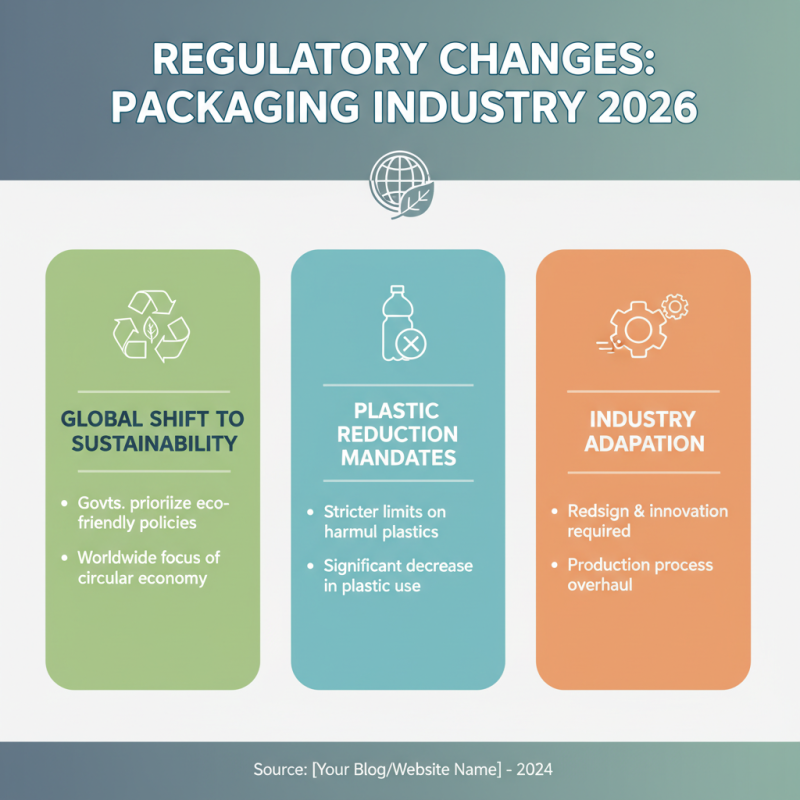
Sustainability remains a pressing concern. Consumers demand eco-friendly packaging, yet many businesses struggle to meet these expectations. The challenge lies in balancing cost and sustainability. As the packaging business evolves, companies must confront these issues and find strategic solutions. Success requires adaptation, foresight, and a commitment to addressing consumer needs.

Table of Contents
[Hide]
Emerging Sustainable Packaging Solutions for 2026
The demand for sustainable packaging continues to rise, especially as consumers become more environmentally conscious. By 2026, sustainable packaging solutions will dominate the market. A recent report from Smithers indicated that the global sustainable packaging market is expected to reach $500 billion by 2026, showing a remarkable growth rate of over 6% annually.
Materials such as biodegradable plastics and recycled papers are gaining traction. Brands are increasingly seeking innovative alternatives to traditional materials. For example, compostable packaging made from plant-based resources is becoming more accessible. This shift not only reduces waste but also aligns with consumers' eco-friendly preferences.
Tips: Focus on sourcing local materials to reduce carbon footprint. Engage with suppliers to understand the lifecycle of packaging materials. This helps identify the most sustainable options.
Despite the clear benefits, challenges remain. For many businesses, the transition can be costly. Finding reliable suppliers for eco-friendly materials can be daunting. Packaging designs also need to balance sustainability with functionality. Failing to meet both can hinder customer satisfaction.
Tips: Research and collaborate with startups in the sustainable packaging sector. They often have innovative solutions at a lower cost. Regularly evaluate packaging strategies to improve both sustainability and efficiency.
2026 Best Packaging Business Trends to Watch for Success
| Trend | Description | Impact Level | Sustainability Score |
|---|---|---|---|
| Biodegradable Materials | Incorporating materials that decompose naturally to minimize landfill waste. | High | 9/10 |
| Reusable Packaging | Design focused on multi-use applications, encouraging consumers to reuse packaging. | Medium | 8/10 |
| Minimalist Design | Simplified designs that reduce material usage and enhance brand visibility. | Medium | 7/10 |
| Smart Packaging | Technology integrations such as QR codes or sensors to enhance user interaction. | High | 6/10 |
| Plant-Based Plastics | Using renewable plant materials to create packaging that decreases fossil fuel reliance. | High | 9/10 |
Related Posts
-
Why Business Packaging Matters for Success: Key Benefits and Strategies
-
Why Business Packaging Matters for Your Brand's Success and Customer Appeal
-

Top 10 Boxes for Packaging That Boost Product Appeal?
-

What is Business Packaging and Why It Matters for Companies?
-

2026 How to Innovate in the Packaging Industry for Sustainable Growth?
-
2026 Top Shop Packaging Trends You Need to Know?