2026 Best Packaging Labels Trends for Your Business Success?
In today's competitive market, the role of packaging labels has never been more critical. A recent report from Smithers Pira highlights that the global packaging labels industry is expected to reach $45 billion by 2026. This staggering growth showcases the importance of innovative and effective packaging labels in influencing consumer decisions.
According to industry expert Sarah Johnson, "Packaging labels communicate a brand's identity and values." Her insights emphasize the need for businesses to focus on label design. Poorly designed labels can lead to missed opportunities. Furthermore, many companies underestimate the power of sustainable materials in label production.
As trends evolve, it is vital for brands to stay updated. Adapting to new technologies and consumer preferences can determine a brand’s success. Companies should reflect on their label strategies. Are they resonating with their target audience? Without careful consideration, businesses risk falling behind.

Understanding the Importance of Packaging Labels in 2026
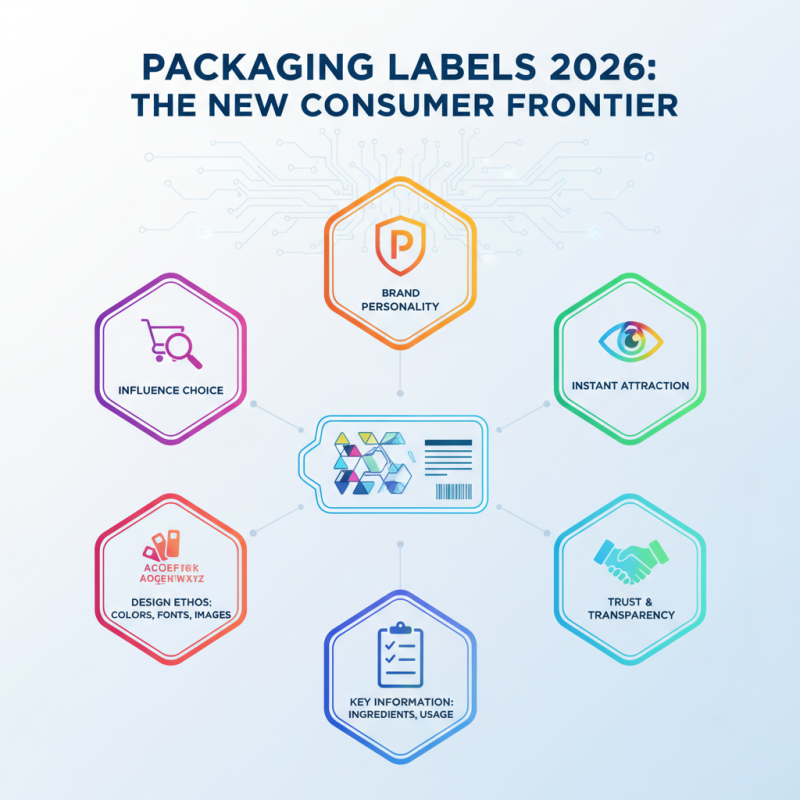
In 2026, packaging labels play a crucial role in consumer choices. They are not just for identification; they build a brand’s personality. A striking label can attract customers instantly. Colors, fonts, and images combine to create a visualization of the brand ethos. Labels also communicate essential information, such as ingredients and usage instructions. This information cultivates trust and transparency with consumers.
As trends evolve, sustainability gains importance. Many expect labels to be eco-friendly. Recyclable materials and minimalistic designs resonate with modern consumers. However, brands must strike a balance. Innovative designs must also adhere to regulatory requirements. Companies often overlook this aspect and face challenges later. Consumer preferences shift rapidly, making it essential to stay updated. Engaging graphics may go out of style quickly, resulting in wasted resources. The need for continual reassessment is evident.
Emerging Trends in Eco-Friendly Packaging Labels
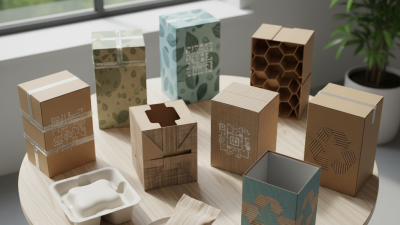
As consumers increasingly prioritize eco-friendliness, businesses must adapt to emerging trends in packaging labels. Eco-friendly packaging labels emphasize sustainability and responsible sourcing. Materials like recycled paper and biodegradable material are now commonplace. These innovations reduce waste and lower environmental impact, appealing to eco-conscious consumers.
Design plays an important role as well. Simple, clear designs often convey the eco-friendly message effectively. Colors like green and earth tones evoke nature. However, it’s crucial to avoid misleading claims. Transparency in production methods builds trust with consumers. Businesses sometimes assume all consumers understand eco-labels. This assumption can lead to confusion. Clear messaging is essential to convey the true benefits of eco-friendly packaging.
Many businesses find it challenging to balance cost and sustainability. Eco-friendly materials can be more expensive. This sometimes leads to compromises in other areas, but the long-term benefits often outweigh immediate costs. Experimentation with innovative materials can lead to unique branding opportunities. Businesses should remain open to exploration and adaptation. Embracing these trends can drive success and foster a loyal customer base.
Innovative Design Techniques for Eye-Catching Labels
In 2026, innovative design techniques in packaging labels will play a crucial role in attracting consumers. Eye-catching labels grab attention quickly. Think about vibrant colors that pop against the backdrop of shelves. People often remember images, not just text. A mix of textures can enhance the tactile experience for buyers. For instance, soft-touch finishes feel inviting, while embossing adds a premium feel.
Companies need to reflect on the balance between creativity and clarity. Labels should not just look good; they must inform. Using minimalist designs can sometimes create confusion. A playful design might distract from important information. It’s essential to consider how much detail to include. Will the consumer understand it at a glance?
Employing unique shapes can differentiate a product, yet this approach carries risks. Non-traditional shapes may not fit standard shelves well. Consumers might struggle to recognize a brand quickly if it strays too far from familiar formats. Striking the right balance between edgy designs and conventional formats is challenging. Continuous testing and feedback will guide businesses in refining their label strategies.
2026 Best Packaging Labels Trends for Your Business Success
| Trend |
Description |
Innovative Technique |
Expected Impact |
| Sustainable Materials |
Use of eco-friendly materials for packaging labels |
Biodegradable inks and recycled paper |
Enhances brand reputation and consumer trust |
| Minimalist Design |
Simplicity in design to convey clarity |
Use of negative space and limited color palette |
Improves customer comprehension and appeal |
| Interactive Labels |
Engagement through QR codes and AR |
Augmented reality features and interactive graphics |
Boosts customer engagement and product information |
| Vibrant Colors |
Use of bold and bright colors to attract attention |
Neon colors and gradient effects |
Increases visibility and attracts impulse buyers |
| Unique Shapes |
Labels designed in non-traditional shapes |
Die-cutting techniques for custom label shapes |
Differentiates products on the shelf |
The Role of Technology in Modern Packaging Labeling
Technology plays a pivotal role in modern packaging labeling, impacting businesses significantly. Smart labels and QR codes are transforming how consumers interact with products. A recent study revealed that 79% of consumers prefer more information accessible via labels. This trend shows the importance of transparency and engagement.
Automated labeling machines are also disrupting traditional methods. They enhance efficiency and reduce errors. Companies utilizing automation report a 30% increase in production speed. However, reliance on technology can introduce challenges. Overreliance may lead to workforce displacement or skill gaps among employees. Balancing automation with human input is crucial. Striking this balance can sometimes feel daunting.
Sustainability is another key aspect influenced by technology. Eco-friendly materials are on the rise, and businesses face pressure to adapt. A report indicated that 65% of consumers prioritize sustainable packaging. Many brands are experimenting with biodegradable labels and inks. This movement is promising but poses questions about cost and availability. Continuous innovation is needed to find sustainable solutions.
2026 Best Packaging Labels Trends for Your Business Success
This chart illustrates the projected trends in packaging labels for 2026, emphasizing the increasing role of technology in modern packaging labeling. The data reflects the percentage of businesses adopting various technological advancements in their packaging processes.
Regulatory Considerations for Packaging Labels in 2026
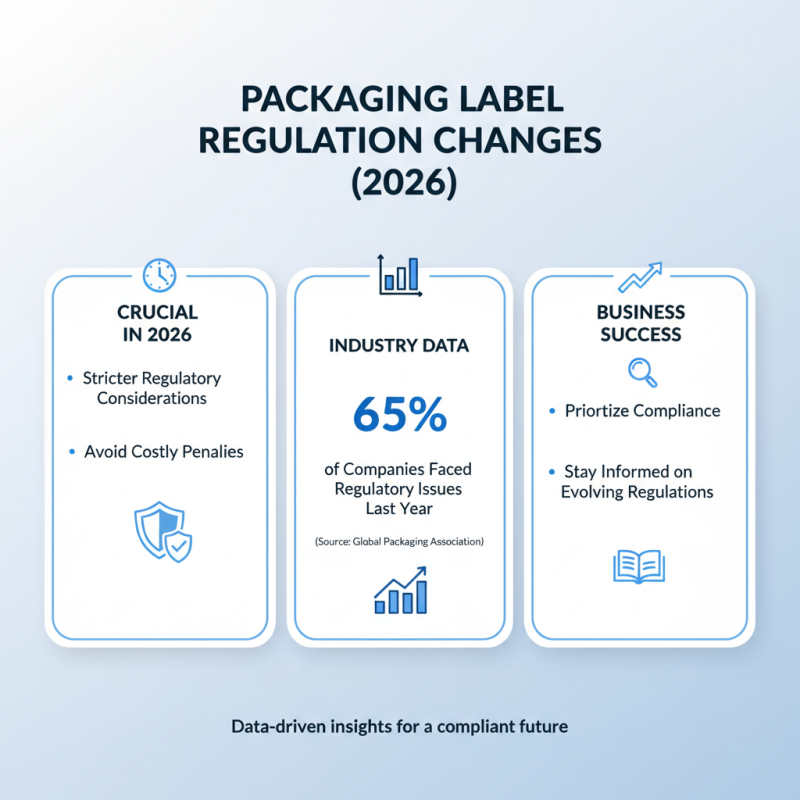
In 2026, regulatory considerations for packaging labels will be more crucial than ever. Brands must prioritize compliance to avoid costly penalties. Data from the Global Packaging Association indicates that 65% of companies faced regulatory issues last year. As regulations evolve, staying informed is vital for business success.
Labeling requirements vary by region. In the European Union, stricter guidelines on ingredient disclosure will be enforced. Brands might need to change ingredient lists more frequently. Meanwhile, in North America, guidelines on sustainability claims are tightening. Misleading claims can lead to fines and reputational damage. Research shows that 44% of consumers trust sustainable brands more.
Transparency is key. Packaging must clearly communicate essential information. Many brands struggle with balancing aesthetics and compliance. A visually appealing label might overlook critical details. This could lead to misunderstandings and legal issues. Reflecting on past mistakes can guide better decisions for future labels.