2026 Best Film Packaging Trends You Need to Know?
In 2026, film packaging trends are evolving rapidly. Visual appeal is more crucial than ever. Filmmakers need to capture attention quickly. Creative designs that reflect the film's essence are vital. Unique packaging can evoke emotions and spark curiosity.
Sustainability is a key factor. Eco-friendly materials are becoming the norm. However, not all productions prioritize this. Some still rely on conventional packaging methods. This inconsistency can affect a film's reception in the market. It's important to reflect on choices and their implications.
Moreover, digital elements are on the rise. Augmented reality features enhance engagement with the audience. Yet, some filmmakers overlook this integration. They may play it safe with traditional designs. Finding a balance between innovation and tradition is crucial for success.
Emerging Visual Aesthetics in Film Packaging for 2026
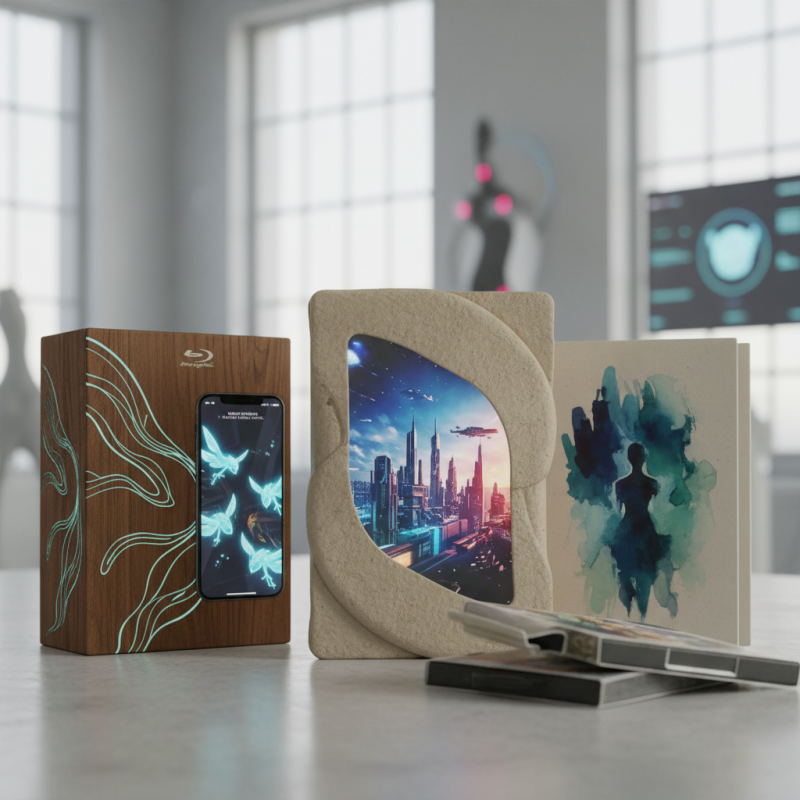
As we move toward 2026, film packaging is evolving in exciting ways. Emerging visual aesthetics are reshaping how audiences perceive movies. Bold colors and striking graphics are becoming more prevalent, enhancing shelf appeal. Minimalist designs are often paired with intricate details to create a captivating contrast. This duality catches the eye and invites curiosity.
Textures play a vital role in these aesthetics. Matte finishes combined with glossy highlights create a tactile experience. This sensory engagement can produce a more memorable connection with the viewer. Yet, the challenge lies in maintaining a balance. Simplicity, when done right, allows the content to shine without distractions.
The use of innovative materials is also crucial. Eco-friendly options are gaining traction, aligning with consumer values. However, there are concerns about durability. Can these sustainable choices withstand the test of time? This question lingers as industry standards evolve. Designers must reflect on how to marry aesthetics with practicality, ensuring that film packaging not only looks good but also lasts.
Sustainable Materials Revolutionizing Film Packaging Trends
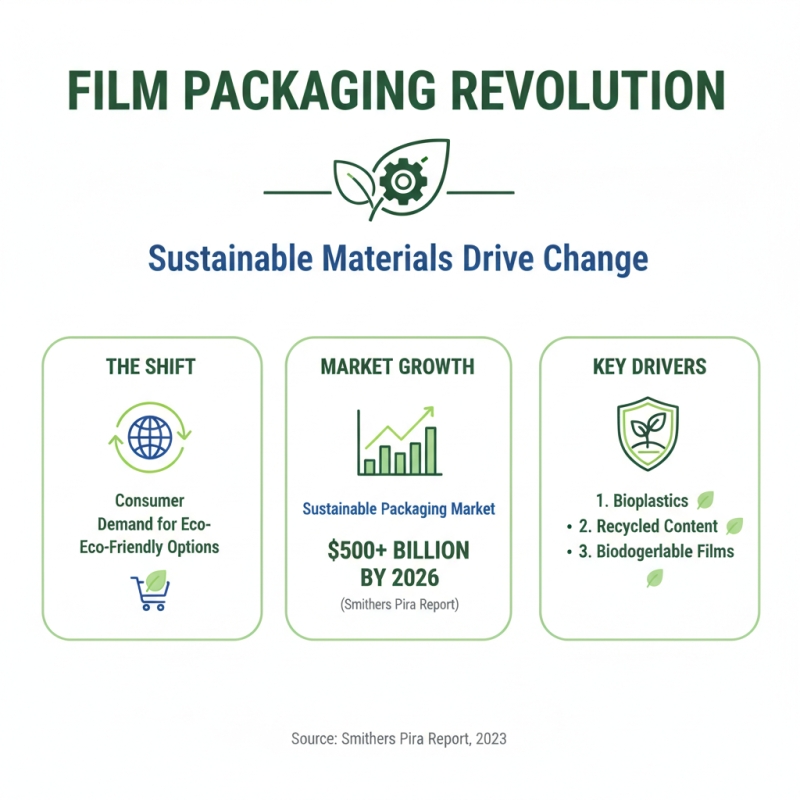
The film packaging industry is undergoing a significant transformation. Sustainable materials are leading this change. According to a recent report by Smithers Pira, the market for sustainable packaging is projected to exceed $500 billion by 2026. This shift is driven by consumer demand for eco-friendly options.
Materials like recycled paper, biodegradable plastics, and plant-based inks are gaining traction. For instance, the global biodegradable packaging market is expected to grow at a rate of over 14% annually. Yet, many companies struggle with the balance between sustainability and cost. The challenge lies in sourcing materials that meet both standards while maintaining quality.
Not all sustainable options are truly effective. Some biodegradable plastics require specific conditions to decompose. Others may inadvertently cause harm if not disposed of properly. Companies need to closely analyze these aspects. There’s a critical need for transparency in sourcing practices. As the industry evolves, ongoing evaluation is key to making meaningful improvements in sustainability.
The Role of Interactive Media in Modern Film Packaging
In the evolving world of film packaging, interactive media plays a crucial role. It brings an engaging element to how audiences experience films. Films are no longer just to watch. They become a multi-sensory journey. Imagine viewers exploring a film's world through augmented reality. They can interact with characters and settings in real-time. This kind of engagement transforms a passive experience into something dynamic.
However, the use of interactive media isn't without challenges. Not every audience feels comfortable with technology. Some may find it overwhelming or confusing. Consider the balance between traditional packaging and new technologies. Can filmmakers strike the right mix? It requires careful thought. Content creators must reflect on how to ensure inclusivity while embracing innovation. Interactive elements should enhance, not detract from, storytelling.
There's potential for innovation, but risks exist. Will attempts at interactivity lead to distraction? It’s a delicate dance. Creative teams need to observe audience feedback closely. Understanding what works is key. As film packaging continues to blend with interactive media, the journey ahead will surely demand constant adaptation and reflection. The question remains: how will filmmakers navigate this evolving landscape?
2026 Best Film Packaging Trends
Innovative Typography and Graphic Design in Film Packaging
Innovative typography and graphic design play a crucial role in film packaging. According to a recent industry report, 72% of consumers make purchasing decisions based on visual appeal. This emphasizes the need for striking designs that stand out on shelves or digital platforms. Unique typography can evoke emotions and enhance storytelling. Filmmakers and designers must pay close attention to font choices. The wrong font can convey the wrong message.
Color schemes are equally vital. A study indicated that 85% of consumers prioritize color in their decision-making process. Bold colors can attract eyes and spark curiosity. However, designers often face challenges in balancing creativity with market trends. While experimenting with gradients and minimalistic designs, some forget about audience preferences. As trends evolve, staying relevant is important yet difficult.
Moreover, the integration of visual storytelling remains a challenge in film packaging. Many designs lack narrative depth. A report highlighted that only 30% of film packages successfully convey the essence of the story. This disconnect can lead to missed opportunities for engagement. Filmmakers must continuously iterate on their designs, ensuring they resonate with their target audience while being visually compelling.
2026 Best Film Packaging Trends You Need to Know? - Innovative Typography and Graphic Design in Film Packaging
| Trend |
Description |
Visual Style |
Examples |
| Minimalist Typography |
Focus on simple, clean typefaces that enhance readability and visual impact. |
Bold sans-serif fonts with ample white space. |
Film posters showcasing large titles against muted backgrounds. |
| 3D Packaging Design |
Utilization of 3D elements to create tactile and immersive experiences. |
Textural layers and dimensional folds in the packaging. |
Box sets with intricate fold-out designs revealing artwork. |
| Eco-Friendly Materials |
Implementation of sustainable materials in packaging to reduce environmental impact. |
Natural textures and earth tones. |
Packaging made from recycled paper and biodegradable plastics. |
| Interactive Packaging |
Incorporation of QR codes and augmented reality to enhance viewer engagement. |
Vibrant colors and attention-grabbing graphics. |
Film boxes that activate trailers or behind-the-scenes content when scanned. |
| Retro Design Elements |
Revival of vintage aesthetics and typography in movie branding. |
Classic fonts and color palettes reminiscent of past eras. |
Posters and covers inspired by iconic films from the '60s and '70s. |
Consumer Engagement Strategies in Film Packaging for 2026
In 2026, film packaging must engage consumers in new ways. Traditional methods are fading. Instead, designs must evoke emotions. Interactive elements in packaging can attract attention. Imagine QR codes that lead to bonus content. This seamless blend of physical and digital can create excitement.
Sustainability is another key focus. Eco-friendly materials are becoming a standard expectation. Consumers are more aware of their choices. They seek brands that align with their values. However, achieving great designs that are also sustainable is a challenge.
Visual storytelling is crucial in packaging. Bold colors and unique textures draw the eye. Yet, it’s essential to ensure clarity. Overly complex designs can confuse consumers. Balancing creativity and usability is vital. Thoughtful designs engage and invite reflection. They need to resonate on a deeper level. Ignoring simplicity might backfire.