2026 Top US Packaging Trends You Should Know?
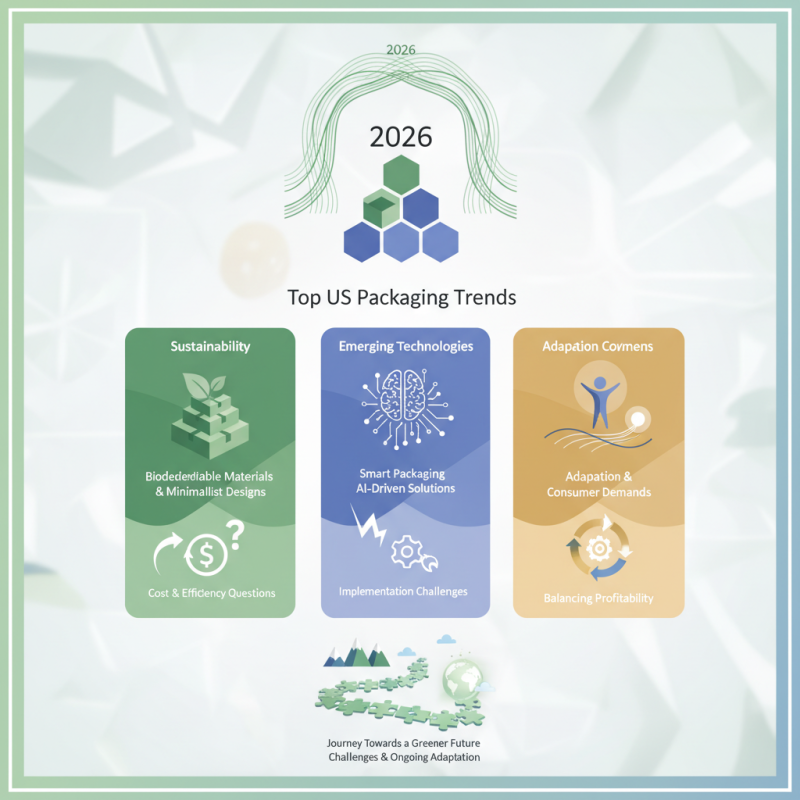
As we look ahead to 2026, the US packaging industry is set for significant evolution. Industry expert Sarah Thompson, a leading voice in sustainable packaging, states, “Adaptation is key for success in the US packaging landscape.” Her insights resonate as companies strive to meet rising consumer demands.
Sustainability continues to drive innovation in US packaging. Biodegradable materials and minimalist designs are becoming mainstream. Brands increasingly prioritize eco-friendly practices. However, this shift raises questions about cost and efficiency. Companies must balance sustainability with profitability.
Emerging technologies are reshaping the landscape. Smart packaging and AI-driven solutions promise greater efficiency. Nevertheless, not all companies are equipped to navigate these changes. Some struggle with the implementation of these advanced solutions. The journey toward a greener future is filled with challenges, prompting reflection and ongoing adaptation within the industry.
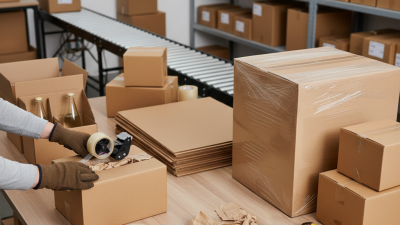
Sustainable Packaging Solutions Gaining Popularity in 2026
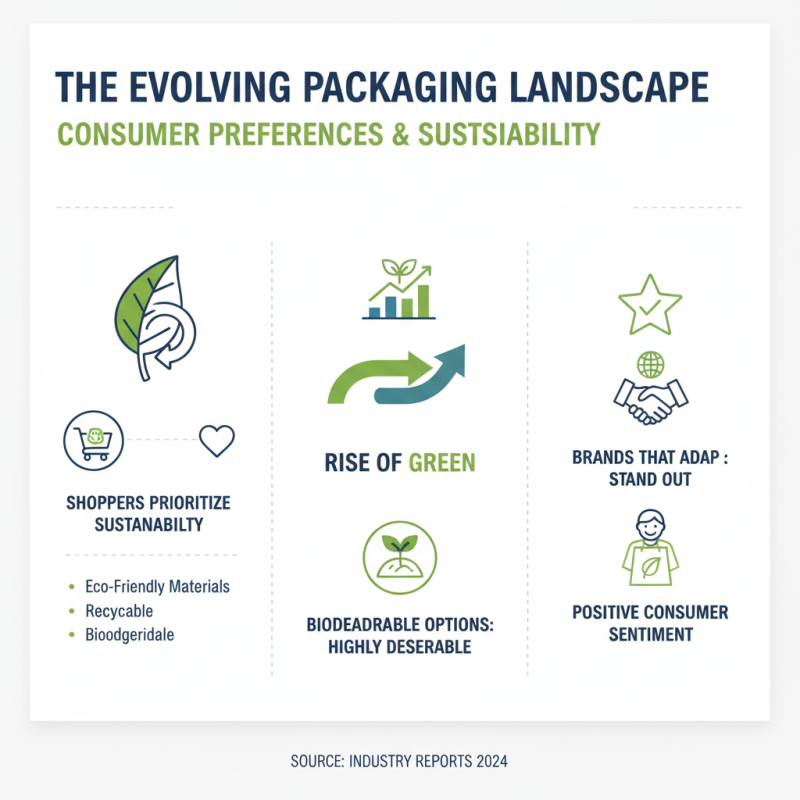
Sustainable packaging solutions are increasingly becoming essential in 2026. According to a recent report, over 75% of consumers are more likely to buy products from brands that use eco-friendly packaging. This highlights a shift toward sustainability. Materials like biodegradable plastics and recycled cardboards are in high demand.
One significant trend is the growth of plant-based packaging. It offers a renewable alternative to traditional plastics. In 2026, the plant-based packaging market is estimated to reach $60 billion. This shift reflects consumers' desires for greener options without sacrificing quality.
Tips: Focus on simple changes first. Start with adopting recyclable materials. Educate your team on sustainability. Small steps lead to significant impacts.
However, challenges persist. Not all sustainable options are affordable. Companies often struggle with the balance between cost and eco-friendliness. Understanding materials and sourcing can be complex. Brands must navigate these hurdles to remain competitive.
Innovative Materials Transforming the Packaging Industry
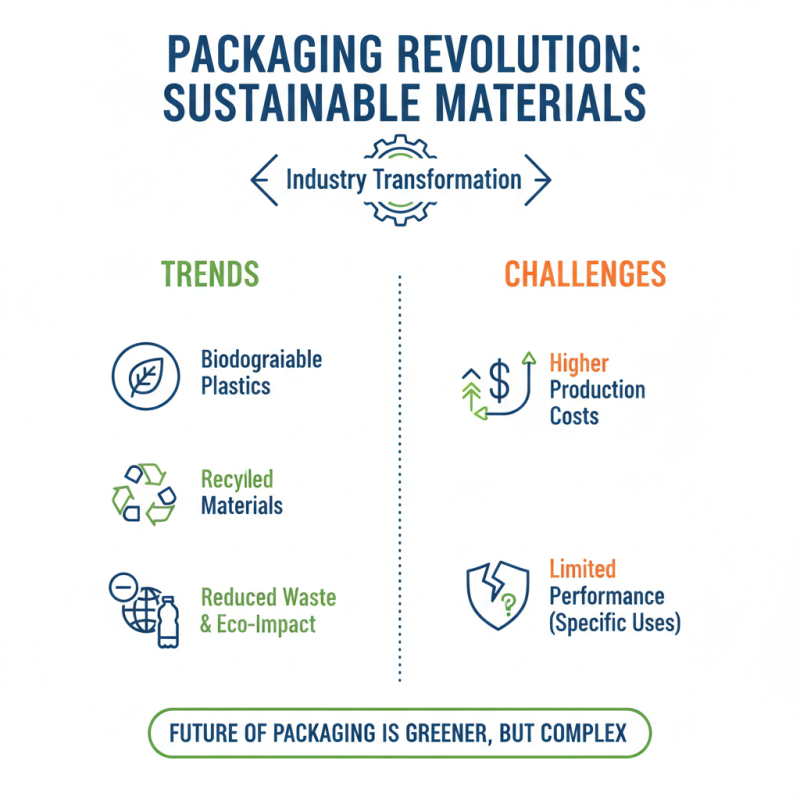
The packaging industry is undergoing a transformation driven by innovative materials. Sustainable options are gaining traction, with biodegradable plastics and recycled materials becoming popular choices. These alternatives help reduce plastic waste and lessening the environmental impact. However, the shift to these materials presents challenges, such as higher production costs and limited performance in certain applications.
Another emerging trend is the rise of smart packaging. This technology uses sensors to monitor freshness or integrate QR codes for consumer engagement. While the idea is appealing, the implementation can be tricky. Balancing the benefits with cost and consumer acceptance is still a work in progress.
In addition to sustainability and smart features, the industry is exploring new materials like mycelium and seaweed-based packaging. These options are intriguing but often unproven in the market. The journey toward sustainable packaging is filled with trial and error, and it is essential to learn from these experiences to move forward effectively. Each step, though imperfect, contributes to a broader movement toward smarter, greener solutions.
The Rise of Smart Packaging Technologies and Their Applications
The rise of smart packaging technologies is reshaping the packaging industry. These technologies are not simply a trend; they represent a shift in how products are presented and monitored. Smart packaging can include QR codes and sensors that provide real-time data on the product’s condition. This is not just for tracking; it enhances consumer engagement.
Imagine receiving a package that alerts you when it has been opened. This adds a layer of security but raises questions about privacy. Such technologies may require consumers to share personal information. It's a balance between convenience and privacy that needs careful thought.
Another application is in sustainability. Smart packaging can help reduce waste by indicating when food is about to spoil. However, these innovations come with challenges. Not all consumers will trust technology in food safety. The adoption rate may slow if there is skepticism. In the end, while smart packaging holds promise, its integration into everyday life must address consumer concerns responsibly.
Regulatory Changes Impacting Packaging Practices and Standards
In 2026, regulatory changes are set to reshape packaging practices significantly. As sustainability becomes a global priority, regulations are tightening. Companies will need to adapt to stricter guidelines on materials. This shift may mean choosing biodegradable options over conventional plastics. Many businesses face challenges in making these transitions.
The push for transparency is also gaining momentum. New regulations may require clearer labeling on products. Consumers want to know the sourcing and safety of their packaging materials. Meeting these demands could be difficult for some manufacturers. Understanding these requirements is a pressing issue. The risk of non-compliance can lead to fines or product recalls.
It’s essential to consider the complexities of these changes. Companies might struggle to keep up with evolving standards. Training staff on compliance is often overlooked. Engaging with legal experts may become necessary. Reflecting on these hurdles will be vital for success in a changing landscape.