
10 Baking Parchment Paper Buying Tips for Importers

Importing Baking Parchment Paper requires more than comparing prices or choosing attractive packaging. A reliable buying decision begins with the paper’s actual performance in ovens, freezers, warehouses, and kitchens. Thickness, silicone coating, roll strength, heat resistance, and food-contact documentation can all affect your customers’ experience.

Dr. Kantha Shelke, a food scientist and food technology specialist, offers a useful principle: “Performance begins with the material, not the marketing claim.” This idea matters when suppliers describe paper as premium, non-stick, or environmentally responsible. Importers should request technical data, coating details, test reports, and representative samples before placing a large order.

Small details reveal quality. Does the sheet curl after exposure to steam? Does chocolate release cleanly? Does the roll tear beside the cutter? Can the packaging survive a humid container journey? These questions often matter more than a low quotation.

Look closely.

This guide presents ten practical buying tips for Baking Parchment Paper. It covers grade selection, sizing, coating consistency, packaging, certifications, supplier checks, and landed cost. The advice is designed for importers managing real purchasing risks, not just product comparisons.

Some decisions will remain imperfect. A thicker sheet may perform better but increase freight costs. A greener package may appeal to buyers but require stronger moisture protection. Supplier promises can also sound convincing without enough evidence. That is why careful sampling, written specifications, and repeat testing remain essential.

The best purchase is not always the cheapest one. It is the one that performs consistently from the supplier’s factory to the customer’s oven.
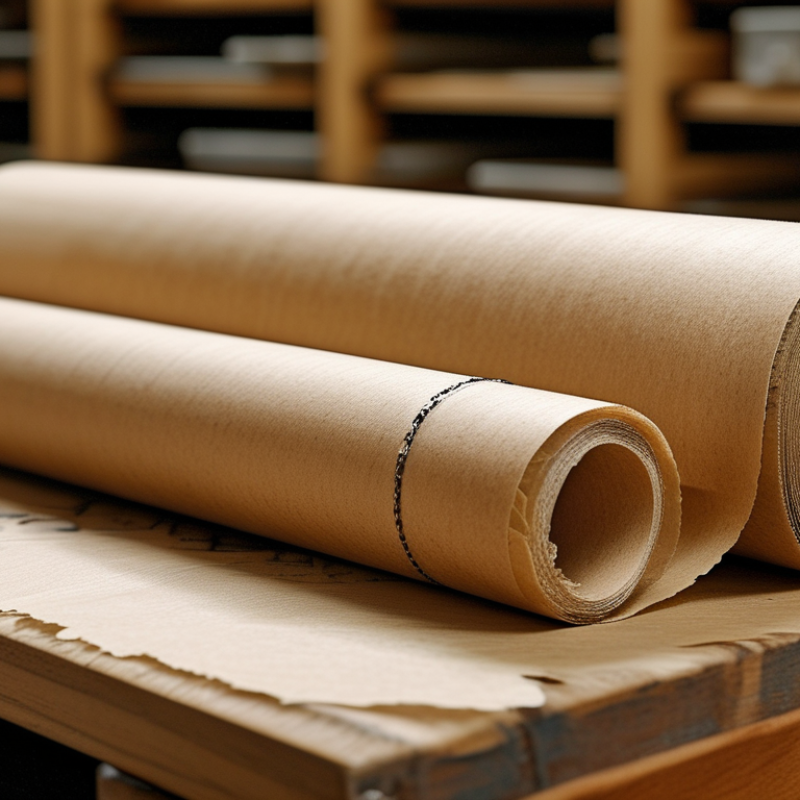
10 Baking Parchment Paper Buying Tips for Importers

Define Import Requirements and Intended Parchment Applications

Before comparing suppliers, define what you will import and why. A bakery may need pre-cut sheets for trays, while a food manufacturer may require wide rolls for automated lines. These are different products. Record the required width, length, sheet size, basis weight, core diameter, and carton quantity. Small errors can stop a packing machine.

Match the parchment to its intended application. Baking, roasting, freezing, and food wrapping may require different performance levels. Check the temperature range, grease resistance, release performance, and whether one-sided or two-sided treatment is needed. For direct food contact, request current test reports, material declarations, and traceability records. Confirm that documents fit the destination market, not only the production country.

Import packaging also deserves attention. Humidity can soften cartons and damage loose sheets during long transit. Use sealed inner packaging when storage conditions are uncertain. I once focused too heavily on price and overlooked core diameter. The rolls arrived safely but did not fit the customer’s equipment. That mistake changed my inspection checklist. Ask for samples from the actual production batch, then test them under real oven settings. A short trial often reveals curling, tearing, or sticking problems that specifications miss. Perfect planning is unlikely. Careful review reduces expensive surprises.

Evaluate Paper Quality, Coating Types, and Heat Resistance

Importers should judge baking parchment by measured performance, not a bright white appearance. FAO data places global paper and paperboard production above 400 million tonnes annually, but volume does not guarantee food-contact quality. Request basis weight, caliper, tensile strength, and moisture data. ISO 536 helps verify grammage, while ISO 534 supports thickness checks. A sheet that feels thin may tear around wet dough. That small failure can create costly complaints.

Coating type matters. Silicone coatings usually provide reliable release and reduce sticking during repeated baking cycles. Ask for coating weight, uniformity, migration testing, and food-contact declarations. Heat resistance needs a real test range, not a vague “high temperature” claim. Many parchment products are rated around 220–230°C, but performance depends on coating chemistry, oven airflow, and exposure time. ASTM or internal laboratory reports should show test conditions. One attractive sample is not proof. I have seen smooth sheets curl at the edges when exposed to uneven heat.

Tips: Order samples from several production lots. Bake greasy pastries and wet bread dough at the intended temperature. Check browning, odor, curling, tearing, and release after cooling. Compare results against the supplier’s report. Also inspect packaging for moisture protection during shipment. A minor weakness here can ruin otherwise acceptable paper. Recheck specifications before every large order, because coating consistency may change between batches.

Verify Food Safety, Certifications, and Regulatory Compliance

When importing baking parchment paper, food safety should guide every purchasing decision. A clean appearance proves very little. Ask for a current food-contact declaration, material specifications, and batch-based test reports. Confirm that the documents match the exact paper grade, coating, thickness, and intended baking temperature.

Check certifications carefully. Verify the issuing organization, certificate scope, validity dates, and factory address. A certificate may cover packaging, but not necessarily parchment paper. Request migration testing for grease, moisture, heat, and direct food contact. Test conditions should reflect real use, such as a 220°C oven and oily pastries. Requirements can differ between destination markets, so review the applicable national regulations before shipment.

Traceability matters. Each carton should show a lot number linked to production records and laboratory results. During supplier audits, inspect storage areas, coating controls, and ink or adhesive handling. Ask how nonconforming rolls are isolated. Small details matter.

Do not trust paperwork alone. I have seen complete files with mismatched product codes. A second review is worthwhile. Independent pre-shipment sampling can reveal odor, discoloration, uneven coating, or sticking after baking. The test may not represent every production lot, and that limitation deserves attention. Keep retained samples, inspection photos, and communication records. They support faster decisions when a shipment raises questions.

Compare Suppliers, Pricing, Minimum Orders, and Shipping Terms

Importers should compare parchment paper suppliers through a consistent specification sheet. Record paper weight, silicone coating, roll width, sheet size, heat resistance, carton quantity, and food-contact documentation. FAO forestry data places annual global paper and paperboard production above 400 million tonnes, but volume does not guarantee suitable baking performance. Ask for samples from different production lots. Test them on greasy trays, at target temperatures, and after storage in humid conditions. Small details matter.

Pricing needs more than a unit quote.
Request prices by sheet, roll, carton, and container load. Separate paper cost, coating, packing, inland transport, and export charges. A low price may hide thinner paper or fewer sheets per carton. Compare at the same specification and Incoterm. Under Incoterms 2020, responsibilities for freight, insurance, customs, and risk must be clearly assigned. I would also calculate landed cost, not only FOB cost. That mistake is easy to make.

Minimum order quantities can affect cash flow sharply. Ask whether the supplier accepts mixed sizes, trial cartons, or staged production. A smaller test order may cost more per unit, yet reduce quality risk. Shipping terms deserve equal attention. UNCTAD reports that over 80% of global merchandise trade by volume moves by sea, so port delays can disturb bakery supply schedules. Confirm lead time, loading port, container capacity, document timing, and demurrage responsibility. Freight estimates change. Leave a buffer, even when the spreadsheet looks perfect.

Inspect Samples and Establish Quality Control Before Bulk Importing

For importers, sample inspection should happen before price negotiation. Do not trust a clean-looking sheet. A parchment sample can appear smooth while failing under a hot, greasy pastry. Check basis weight, thickness, roll width, core diameter, coating uniformity, and edge damage. Record measurements from several points, not one convenient corner. The Food and Agriculture Organization reported more than 400 million tonnes of global paper and paperboard production in 2023. That scale confirms the supply base is large, but consistency still depends on disciplined factory control.

Test samples in realistic conditions. Bake cookies at the intended temperature and time, then inspect sticking, tearing, odor, browning, and grease penetration. Measure release performance after cooling, when weak coating often becomes obvious.

Request food-contact declarations, migration test results, and batch traceability before approval. Smithers’ paper packaging outlook identifies barrier consistency and converting quality as important performance factors in food packaging. A supplier’s certificate is useful, but it is not a substitute for independent checks.

My checklist is not perfect. I once underestimated carton moisture exposure during container storage. Add humidity testing, pallet photos, and random carton sampling to the inspection plan. Approve bulk production only after a signed specification, retained reference sample, inspection frequency, and defect limits are agreed in writing.

Scroll to Top