Best Cattle Panels for Sale What to Consider Before Buying
When considering cattle panels for sale, it's crucial to make informed decisions. According to John Smith, a leading expert in agricultural supplies, “Choosing the right cattle panel can significantly impact your livestock operations.” This highlights the importance of selecting quality panels tailored to your needs.
Cattle panels are not just barriers; they play a vital role in ensuring the safety and health of your animals. The right panels prevent both escape and injury. Many buyers overlook the material and design of cattle panels, which can lead to future regrets. Durability, flexibility, and ease of installation are essential factors to think about.
Lastly, understanding your specific requirements and the environment makes a difference. Consider the size of your cattle and the terrain where you will install the panels. While many options are available, finding a panel that suits all needs without overextending your budget can be a challenge. This decision is worth careful thought for the overall success of your farming efforts.
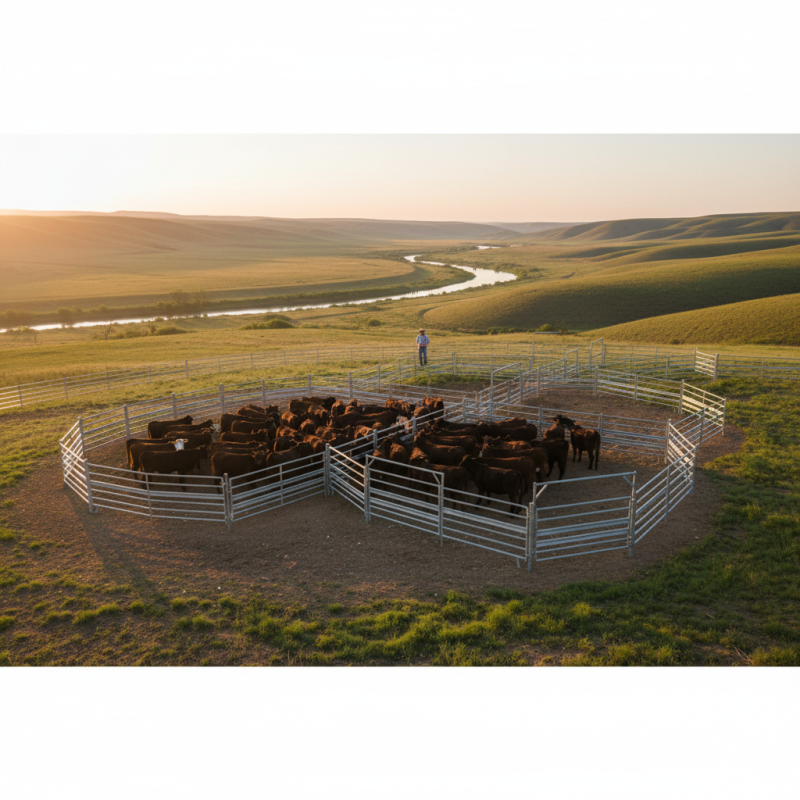
Factors to Evaluate When Choosing Cattle Panels
When selecting cattle panels, it is crucial to evaluate several factors. The material of the panels plays a significant role in their durability and effectiveness. Most cattle panels are made from galvanized steel or livestock-grade welded wire. These materials have a high resistance to corrosion, extending their lifespan on farms. Reports show that panels constructed from galvanized materials can last over 20 years with proper care. However, understanding the local climate is also essential. In regions with high humidity, rusting might occur more quickly, necessitating more frequent replacements.
The height and spacing of the panels impact safety and containment. Standard cattle panels are typically six feet tall. However, depending on the breed, taller panels may be needed. For instance, larger breeds can jump higher, which may require adjustments in design. Spacing between vertical wires is also vital. Manufacturers recommend no more than 8 inches of spacing to prevent escapes. While most panels meet minimum industry standards, inspecting before purchase ensures they can withstand specific herd behaviors.
Take into account the panel's weight. Heavier panels can be more stable but harder to install. Conversely, lightweight panels are easier to manage but may not provide sufficient security. An imbalance might lead to increases in fencing costs over time. Additionally, ensure you consider whether the style of panels fits your land layout. People often overlook this aspect, leading to poor livestock management. Careful planning and consideration of these factors will yield better results on the farm.
Types of Cattle Panels Available on the Market
When selecting cattle panels, understanding the types available is crucial. There are generally four main types on the market: welded wire panels, net wire panels, cattle guard panels, and portable panels. Each type serves distinct purposes and impacts management efficiency. For instance, welded wire panels are robust and suitable for permanent installations, often made from high-quality steel. They can greatly endure harsh weather conditions.
Net wire panels offer flexibility with varying sizes of openings. They work well for both larger livestock and small animals, making them versatile. Cattle guard panels prevent livestock from crossing barriers, while portable panels are easy to move. Farmers can quickly set up temporary pens for feeding or shelter, providing multifunctionality.
Tip: Always consider the weight and gauge of the material. Heavier panels generally provide better durability.
Data reports indicate that cattle panel prices can vary widely, with costs ranging from $25 to $150 per panel, depending on material and features. This can affect budget planning and investment.
Tip: Assess your specific needs before purchasing to avoid overspending on unnecessary features. Making the right choice can improve ranch productivity significantly.
Material Considerations for Durability and Strength
Choosing the right cattle panels requires a keen understanding of materials. The durability and strength of these panels directly affect their longevity. A significant factor is the type of metal used. Galvanized steel, for example, is often preferred for its resistance to rust and corrosion. According to industry studies, galvanized panels outperform others in maintaining structural integrity over time, reducing replacement costs.
Welded wire panels are another option. They provide added strength due to their manufacturing process, which fuses wires together. Reports indicate that welded panels can support greater weight without bending. A key point to consider is the gauge of the wire. Thicker wires offer more strength but may also add weight. Striking a balance is crucial.
Some buyers focus on price rather than quality. This approach can lead to frequent replacements, which may incur higher expenses in the long run. Observing the panel’s finish is also vital, as a poorly coated panel can deteriorate quickly. Inadequate attention to these material considerations can result in unsatisfactory performance and increased maintenance needs. Thoughtful selection based on material characteristics ensures that cattle panels serve their purpose efficiently.
Best Cattle Panels for Sale: What to Consider Before Buying
| Panel Type | Material | Height (ft) | Length (ft) | Weight (lbs) | Price ($) |
| Standard Cattle Panel | Galvanized Steel | 4 | 16 | 38 | 45 |
| Heavy Duty Cattle Panel | High-Tensile Steel | 5 | 20 | 60 | 80 |
| Portable Cattle Panel | Aluminum | 4 | 10 | 25 | 55 |
| Round Pen Panel | Galvanized Steel | 5 | 12 | 40 | 65 |
Sizing and Height Options for Different Cattle Breeds
When selecting cattle panels, considering the size and height options is crucial. Different cattle breeds have varying needs. Research shows that average height for cattle panels ranges from 4 to 6 feet. For instance, beef breeds like Angus may require taller panels due to their size and strength. Depending on the environment, taller panels can deter jumping or escaping.
It’s also essential to assess the weight and size of the cattle. A Holstein, for example, typically weighs over 1,500 pounds. Therefore, a sturdier panel with a thickness of at least 1.25 inches is recommended. Several reports indicate that weak panels can lead to costly losses. Panels that buckle under pressure can be a liability.
Additionally, understanding the behavior of specific breeds assists in making an informed choice. Some breeds are more prone to challenge boundaries than others. Even with strong panels, there is a risk that cattle may push against them. Reflecting on these factors can guide farmers in selecting the most appropriate equipment. Tailoring choices based on breed and behavior can improve safety and efficiency on the farm.
Cost-Effectiveness and Budget Considerations for Purchase
When considering cattle panels, cost-effectiveness is key. Assess how many panels you need based on your space. This helps you avoid overspending. Remember, quality can vary. Cheaper options may not last as long. Think about long-term savings. Investing upfront might save you money later.
Budgeting is crucial. Determine your financial limits before exploring options. Look at the thickness of the steel and design features. Thicker panels often provide more durability. Consider local suppliers versus online purchases. Shipping costs can add up.
Reflect on your requirements. A lower cost doesn’t always mean a better deal. Prioritize quality over price in many cases. Explore user reviews and expert opinions. Cattle management can be a complex task. Making informed decisions can lead to better outcomes for both your cattle and your wallet.