
10 Best Film Packaging Solutions for Your Products?
Film packaging has become an essential component for various products across industries. According to a recent report by Smithers Pira, the global flexible packaging market is anticipated to reach $300 billion by 2025. This growth highlights the increasing demand for effective film packaging solutions that cater to diverse consumer needs.
John Anderson, a recognized expert in the film packaging industry, states, “The right packaging can significantly enhance product protection and shelf life." Companies are constantly on the lookout for innovative packaging methods. Yet, many struggle to choose the best options. The variety of materials and designs can be overwhelming, often leading to suboptimal choices.
Effective film packaging must balance cost, sustainability, and functionality. While some companies excel in one area, they may falter in another. For instance, a cost-effective solution may not provide sufficient product protection. Thoughtful consideration of these factors is crucial. Ultimately, the quest for the best film packaging solutions is ongoing. Each product deserves attention to detail and a clear understanding of its requirements.
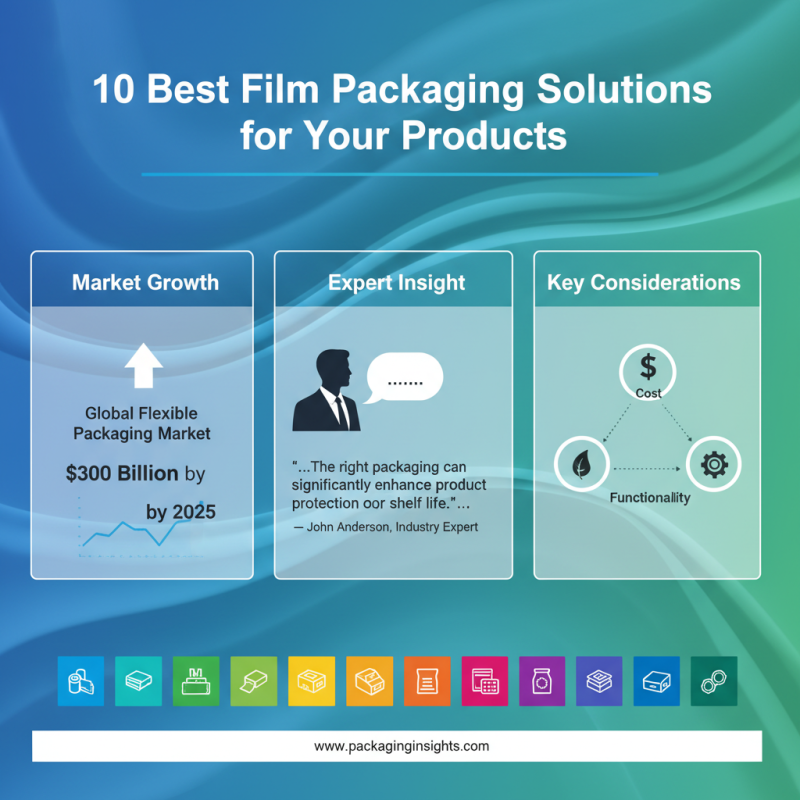
Table of Contents
[Hide]
Understanding Film Packaging and Its Importance for Products
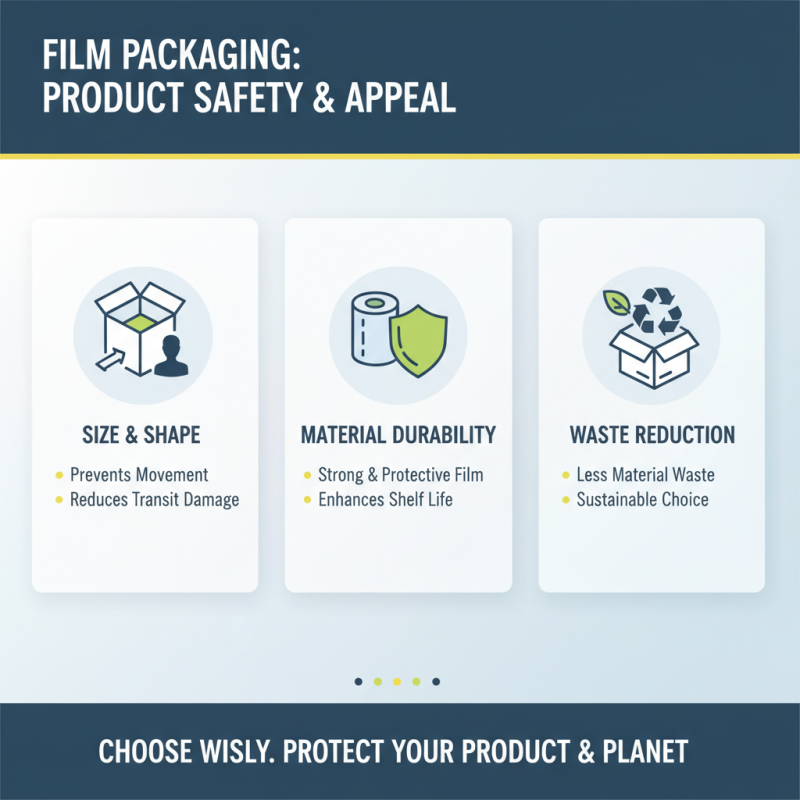
Film packaging plays a crucial role in protecting products. It shields items from moisture, dust, and physical damage. This type of packaging often enhances the product's appearance, making it more appealing on the shelf. By using clear film, customers can see exactly what they are buying. This transparency builds trust and encourages purchases.
However, not all film packaging solutions are created equal. Some may not provide adequate protection or may not be user-friendly when opening. For instance, overly tight seals can frustrate customers. Meanwhile, using materials that aren't environmentally friendly can lead to negative perceptions. It's essential to consider sustainable options in today's market.
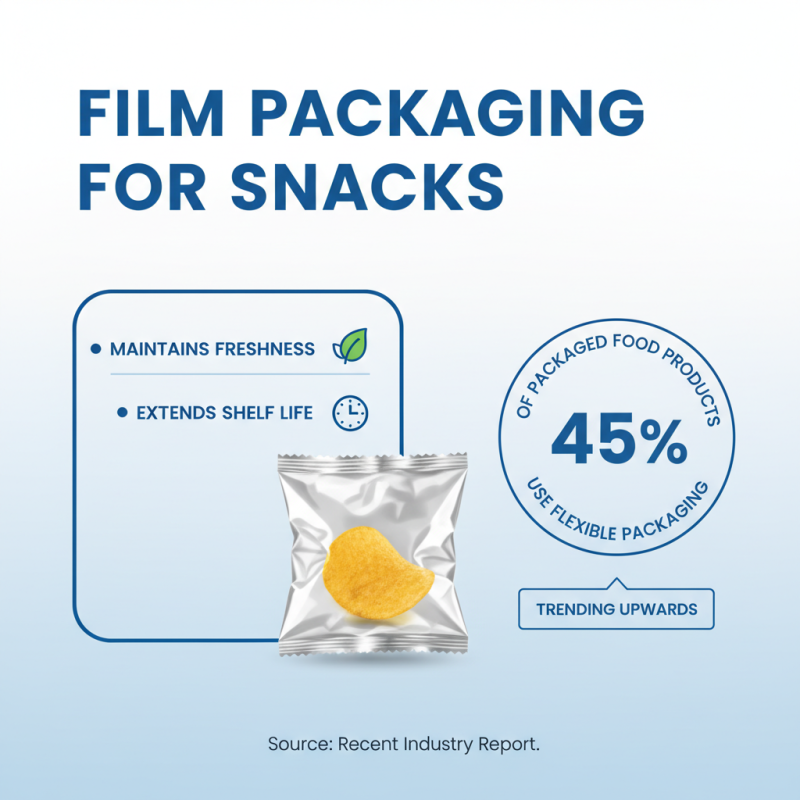
Different products require different types of film packaging. For example, food products often need a breathable material to keep freshness. In contrast, items like electronics may require durable, puncture-resistant film. Finding the right fit can be challenging. The balance between cost, efficiency, and sustainability is a tough puzzle. It's worth reflecting on these aspects to improve packaging choices.
10 Best Film Packaging Solutions for Your Products
| Solution Type | Material | Key Benefits | Typical Applications |
|---|---|---|---|
| Shrink Film | PVC, PE, or PET | Versatile, cost-effective, excellent visibility | Food, toys, electronics |
| Stretch Film | LLDPE or LDPE | Excellent cling, puncture resistance | Pallets, bundles, heavy loads |
| Vacuum Bags | Nylon, polyethylene | Extended shelf life, freshness | Meat, cheese, other perishables |
| Pouch Packaging | Polyester, kraft paper | Ease of use, lightweight, versatile | Snacks, pet food, coffee |
| Blister Packaging | PVC or PET | Protection from damage, display-friendly | Pharmaceuticals, consumer goods |
| Biodegradable Films | PLA, starch-based materials | Eco-friendly, compostable | Food packaging, retail |
| Retort Pouches | Multi-layer materials | Shelf-stable, lightweight, easy to use | Canned foods, pet foods |
| Lidding Films | PE, PP | Strong seal, versatility | Dairy, ready-to-eat meals |
| Film Wrapping | Polyethylene | Low cost, high efficiency | Bundles, products for transport |
Related Posts
-
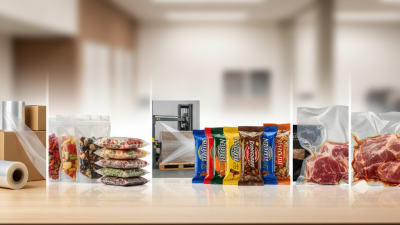
Top 5 Film Packaging Solutions You Need to Know for Your Business
-
Why Business Packaging Matters for Success: Key Benefits and Strategies
-
How to Choose the Perfect Packaging Labels for Your Products in 2023
-
Ultimate Guide to Corrugated Box Tips for Effective Packing and Shipping
-
10 Essential Tips for Effective Printed Packaging Design
-

Top 2025 Trends in Shrink Sleeves: Innovations and Applications Explained