In recent years, sustainable packaging has become a priority for many industries. Folding cartons are at the forefront of this shift. According to a study by Smithers Pira, the global market for sustainable packaging is expected to reach $500 billion by 2028. This highlights a growing awareness of environmental issues among consumers.
Folding cartons offer an eco-friendly solution. They are often made from recycled materials and can be easily recycled again. Furthermore, more brands are opting for this type of packaging to reduce their carbon footprint. However, not all folding cartons are designed equally. Some still use harmful inks and coatings that can hinder recyclability.
Challenges remain in the quest for sustainable folding cartons. Companies must balance durability and cost with environmental impact. While many advancements are made, the industry still grapples with finding truly sustainable solutions. More research and innovation are crucial. Only then can we fully embrace folding cartons as the optimal packaging choice for a sustainable future.

Folding cartons are increasingly crucial in sustainable packaging. These cartons are made from paperboard, which is often recyclable. According to a report by Smithers Pira, the global market for folding cartons is expected to reach $200 billion by 2026. This growth reflects a shift towards eco-friendly materials.
Using folding cartons reduces plastic waste. A study showed that 70% of consumers prefer brands using sustainable packaging. However, not all folding cartons are created equal. Some contain coatings that complicate recycling. Consumers are often unaware of these issues. Increased education around the types of materials used is essential.
Recycled paperboard can significantly lower carbon emissions compared to virgin materials. The Fibre Box Association notes that using recycled fibers can reduce greenhouse gas emissions by up to 32%. Nevertheless, sourcing renewable materials still poses challenges. Access to certified sustainable fibers can be limited, making a strong supply chain crucial for brands aiming for greener solutions.
| Type of Folding Carton | Material | Recyclability | Sourcing | Sustainability Score (1-10) |
|---|---|---|---|---|
| Standard Folding Carton | Kraft Paper | Yes | Sustainable Forests | 8 |
| Biodegradable Folding Carton | PLA Coated Paper | Yes | Plant-Based Sources | 9 |
| Recycled Paper Carton | Recycled Paperboard | Yes | Post-Consumer Waste | 7 |
| Composite Folding Carton | Paper and Bio-based Adhesives | Limited | Forests and Biodegradable Materials | 6 |
| Luxury Folding Carton | Advanced Coated Paper | Yes | Sustainable Sourced Wood Pulp | 8 |
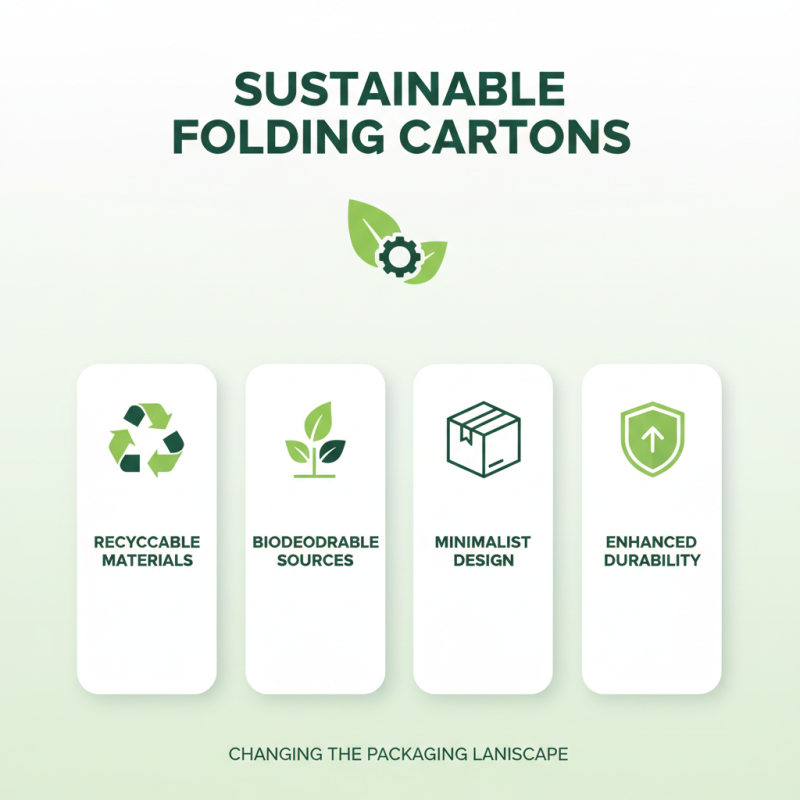
Sustainable folding cartons are changing the packaging landscape. They are made from recyclable materials. Many options use biodegradable sources, promoting eco-friendliness. These cartons often feature minimalistic designs, reducing waste. Enhanced durability is a key benefit. They protect contents effectively, minimizing damage during transport.
Another notable feature is their versatility. Folding cartons can accommodate various shapes and sizes. This adaptability allows for efficient stacking, saving space. Some designs incorporate innovative printing techniques. These methods use soy or water-based inks, reducing harmful emissions. However, not all manufacturers prioritize this approach. It’s essential to research and choose wisely.
Recycling capabilities are vital. Customers should know how to dispose of these cartons properly. Not all folding cartons are created equal. There are still challenges in the supply chain. Certain materials may not achieve the desired sustainability benefits. Transparency is crucial for brands. They must inform consumers about their practices and materials used. This way, customers can make informed choices while supporting eco-friendly initiatives.
The demand for sustainable packaging continues to rise. Folding cartons are stepping up to meet this challenge. Innovative designs now prioritize ecological impact. Materials are being sourced from responsibly managed forests. This ensures the cartons are not only recyclable but also biodegradable. Bright colors and eye-catching prints are still possible. They do not compromise the environmental message.
However, there are challenges. Many current folding carton designs use mixed materials, making recycling difficult. It's crucial for designers to strike a balance. Simple structures should replace complex ones. A minimalistic approach often leads to less waste. The use of plant-based inks is also on the rise, but there’s still room for improvement. Companies need to invest more in research and development.
It's easy to overlook the environmental toll packaging creates. Every step of the packaging process should be scrutinized. Design flaws, such as excessive size or weight, should be addressed. Thoughtful design can lead to less waste. Reducing the carbon footprint of production is essential. The journey towards sustainability is ongoing. Each innovation brings us closer to more responsible packaging solutions.
The demand for sustainable packaging is rising. Folding cartons are a popular choice due to their versatility. However, not all materials contribute equally to sustainability. A comparative analysis reveals significant differences in environmental impact.
Recycled paperboard is a common option. It’s biodegradable and reduces waste. On the other hand, some types of plastic-coated cartons are less eco-friendly. They are not easily recyclable, creating more landfill waste. Furthermore, sourcing materials sustainably is crucial. Some manufacturers rely on deforestation to obtain raw materials.
Biodegradable options are gaining attention. These cartons decompose naturally, leaving no harmful residues. However, they can be more expensive than traditional materials. This cost may deter smaller businesses. Ultimately, the material chosen impacts carbon footprint and overall sustainability. A thoughtful selection process is vital. Brands must evaluate their choices critically.
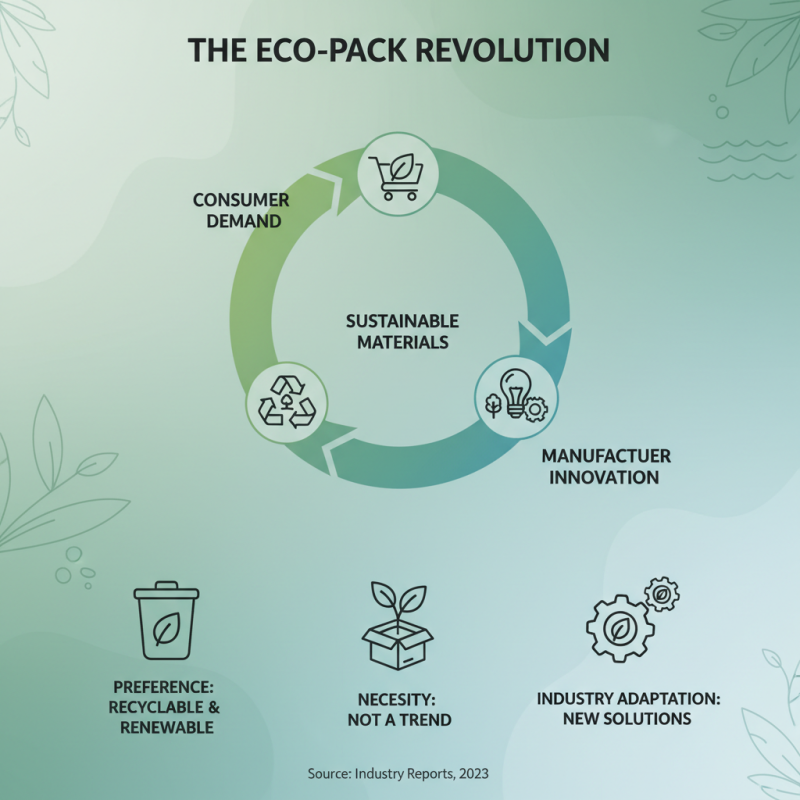
Consumer preferences are rapidly shifting towards sustainable packaging solutions. Eco-conscious packaging is no longer just a trend; it’s becoming a necessity. Many consumers now prefer options that are recyclable or made from renewable materials. This demands innovation from manufacturers. They must adapt to meet these changing expectations.
However, the transition to eco-friendly packaging is not without challenges. Some materials may not provide the same level of protection as traditional options. Brands also face pressure to balance cost and sustainability. The industry must experiment with new materials. There are successes, but also setbacks. Finding the right balance is crucial for brands striving to meet consumer desires.
The rise of eco-conscious packaging is also reflected in market trends. Studies show a growing interest in brands that prioritize sustainability. Consumers are more likely to support companies with transparent practices. Yet, many packaging solutions still fall short. The journey toward completely sustainable options remains ongoing. Brands must continue evolving their approaches and seeking improvements.