2026 Best Offset Printing Inspection Tools for Global Buyers?
Offset printing is a vital process in the printing industry, ensuring high-quality results for various applications. Experts emphasize the importance of reliable inspection tools. According to John Smith, a leading authority in Offset Printing Inspection, "The right tools can elevate the quality of your printing results." He understands the intricacies involved in maintaining print standards.
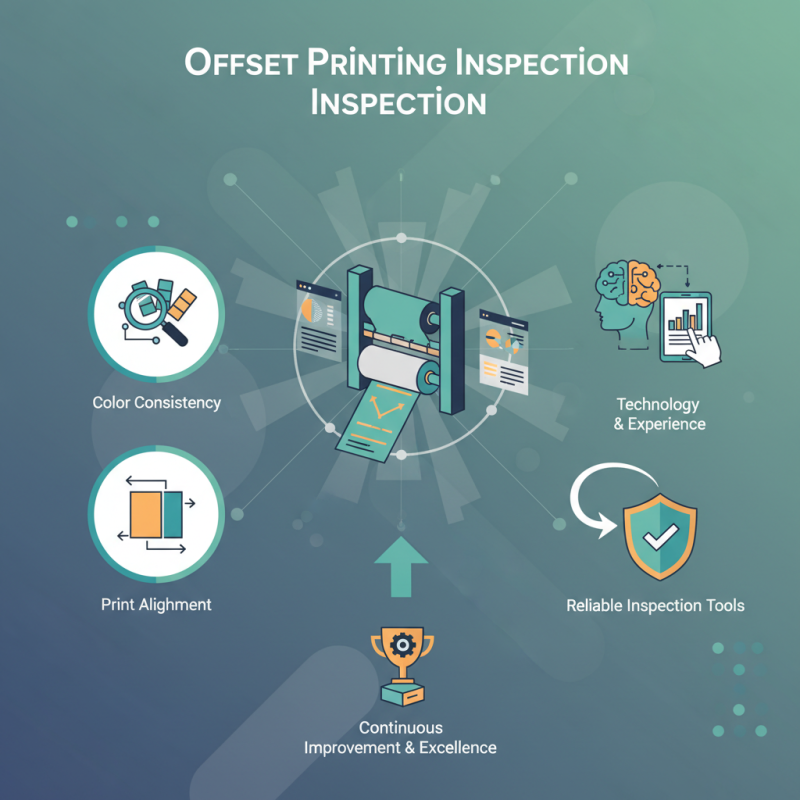
In 2026, global buyers will seek the most effective inspection tools in this field. The challenges of color consistency and print alignment are common. Selecting the best tools requires a blend of technology and experience. Each tool serves a specific purpose, yet not all tools ensure flawless results. Buyers must be aware of their limitations. Studies show that improper inspection can lead to costly errors.
Conversations among experts reveal a need for continuous improvement in Offset Printing Inspection. As advancements emerge, buyers must remain informed. With each new tool released, it’s essential to evaluate its effectiveness. Striving for excellence is an ongoing journey. A critical approach towards selecting and utilizing inspection tools can significantly impact the overall printing quality.
Overview of Offset Printing Inspection Tools in 2026
In 2026, the landscape of offset printing inspection tools is evolving rapidly. These tools are crucial for ensuring print quality and consistency. As the industry embraces new technologies, buyers need to understand their options. Inspection tools today include advanced color measurement devices and ink density meters. These innovations help detect inconsistencies early.
However, not all tools are perfect. Some may require regular calibration, which can be a challenge for busy printing facilities. Additionally, training staff to use advanced tools effectively might bring its own hurdles. It's essential to take time to evaluate which tools genuinely meet specific needs. A broad understanding of tool capabilities will aid in making informed purchases.
Beyond the technology, the importance of reliability cannot be overstated. Tools must be durable under frequent use. Buyers should consider the long-term maintenance costs, not just the initial investment. Engaging with peer reviews can also shed light on real-world performance. These insights can help improve decision-making. Adjustments may be necessary as new challenges arise in the industry.
Key Features to Look for in Inspection Tools
When selecting offset printing inspection tools, specific key features are essential. Accuracy is paramount. With precision checks, errors can be identified early. According to industry data, a mere 0.1% deviation in color can affect overall print quality. Tools should consistently measure vibrancy and tone. Look for devices offering real-time feedback, enhancing decision-making during the printing process.
Usability is another critical feature. Tools need to be user-friendly, requiring minimal training. Investigations reveal that approximately 40% of operators struggle with complex tools. Experienced users should feel comfortable using basic functionalities without extensive guidance. Consider tools that provide intuitive interfaces and clear visual indicators.
Durability cannot be overlooked. Inspection tools often face harsh conditions in printing environments. A study highlighted that 30% of tools fail within the first year due to wear. Investing in robust materials helps ensure longevity and reliability. However, it’s important to balance sturdiness with maintainability. Frequent maintenance can prevent downtimes, but complicated designs may increase the risk of errors.
2026 Best Offset Printing Inspection Tools - Features Comparison
This chart compares various offset printing inspection tools based on their accuracy and ease of use. The accuracy is measured in percentage while ease of use is rated on a scale from 1 to 10. Such metrics help global buyers in making informed decisions when selecting inspection tools for their printing operations.
Top Brands for Offset Printing Inspection Tools in Global Market
When looking for offset printing inspection tools, buyers should consider a few key factors. The market offers a range of brands, each with unique features. Some tools prioritize speed, allowing for quick assessments. Others focus on precision, ensuring that even the smallest details are not missed. Choosing the right tool ultimately depends on your specific needs and workflow.
Reliability is another crucial aspect. Tools must withstand frequent use in busy environments. It's not uncommon to encounter issues like calibration errors or software glitches. Regular maintenance is essential to keep these tools functioning optimally. Many buyers overlook this, leading to unexpected downtime and frustration. Investing in a reliable option means fewer disruptions over time.
Expertise from industry professionals can guide your choices. Many users share experiences online, highlighting both successes and drawbacks of different tools. Engaging with these insights can provide additional clarity. While the ideal tool exists, finding one that fits perfectly remains a challenge. This requires testing various options and reflecting on their performance in real-world scenarios.
Comparative Analysis of Inspection Tools Performance
In the world of offset printing, selecting the right inspection tools is crucial. Recent industry reports highlight that about 75% of printing defects are detected through proper inspection procedures. This underlines the importance of effective tools that ensure quality control. The most sought-after inspection tools focus on color consistency, registration accuracy, and substrate integrity.
Comparative analyses reveal that different tools excel in various aspects. For example, some tools prioritize color matching with specific Pantone standards. Others offer real-time monitoring of print alignment. However, one challenge remains: the varying performance of these tools under different operational conditions. Environmental factors, such as temperature and humidity, can greatly affect their accuracy. About 60% of professionals in the field state that many existing tools fail to provide consistent results across these variables, indicating a need for more robust solutions.
Moreover, data indicates that a significant percentage of printers still rely on manual inspections. While manual methods can catch errors, they are often prone to human error. Reports suggest that automated tools can reduce these risk factors by up to 50%. Yet, the transition to automation presents its own set of challenges, including initial costs and training needs. Balancing cost-effectiveness and efficiency is vital for global buyers aiming to improve their offset printing quality.
Future Trends in Offset Printing Inspection Technology
The offset printing industry is evolving rapidly. As demand for high-quality print products grows, so too does the need for advanced inspection tools. The market for these tools is projected to reach $1.5 billion by 2026, highlighting the critical role they play in ensuring quality control.
Future trends in offset printing inspection technology focus on automation and artificial intelligence. According to a recent report, nearly 40% of printers are adopting AI-driven solutions to enhance their inspection processes. This shift improves accuracy and allows for real-time adjustments. However, many companies face challenges in integrating these technologies effectively.
Furthermore, the shift towards sustainability is influencing inspection methods. Water-based inks and eco-friendly substrates are gaining traction. A report indicates that nearly 50% of buyers prioritize sustainable practices when selecting printing partners. While these innovations are promising, they also require constant reevaluation of existing systems to stay competitive and compliant. Balancing modern technology with traditional methods remains a complex task for many in the sector.