Best Plastic Jar with Lid Uses and Benefits Explained
In the world of storage solutions, the "Plastic Jar with Lid" plays a vital role. Expert Jane Smith, a renowned packaging specialist, emphasizes, "Plastic jars provide a practical way to keep items safe and fresh." These versatile containers are not just for food; they serve numerous purposes in everyday life.
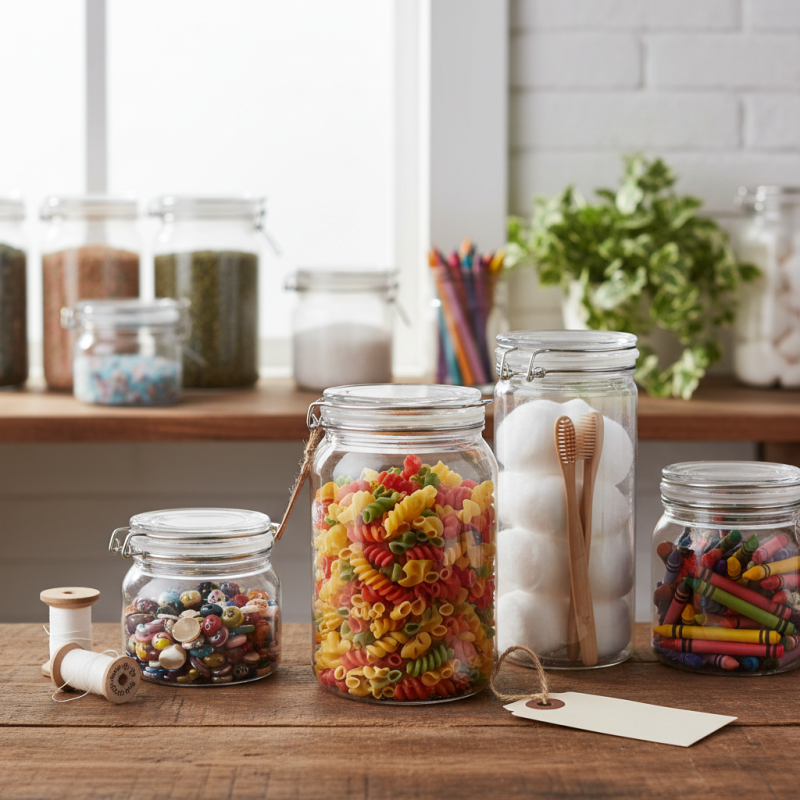
Plastic jars can organize kitchen ingredients, craft supplies, or even personal care products. They come in various sizes, making them suitable for different needs. However, many people overlook their potential uses. Some may leave them unused in cabinets, which is a missed opportunity.
Reflecting on the benefits of plastic jars, one finds both practicality and efficiency. They can be reused and recycled, promoting sustainability. Yet, consumers should choose BPA-free options. This ensures safety for food-related uses. Embracing the plastic jar with lid can enhance organization while contributing to a greener planet.
Overview of Plastic Jars with Lids: Definition and Types
Plastic jars with lids are versatile containers widely used for storage and organization. They come in various types, including screw-top jars, snap-on lids, and flip-top containers. Each type has its unique features that cater to different needs. For example, screw-top lids create an airtight seal, great for food preservation. Snap-on lids are easy to access but may not offer the same level of sealing.
When choosing a plastic jar, consider its intended use. Clear jars can help identify contents quickly, while opaque jars may protect light-sensitive materials. If you’re storing food, opt for BPA-free options to ensure safety. Remember, not all plastic is created equal, and some may warp or degrade over time.
Tips: Keep your jars organized according to size and function. Use labels for easy identification. Also, check for cracks or damage to ensure long-term use. It's easy to overlook minor wear, but it’s essential for safety. Reassess what you use regularly, as old jars may need replacement. Not every jar is perfect, and finding the right fit often requires trial and error.
Best Plastic Jar with Lid Uses and Benefits Explained
| Jar Type | Material | Use Case | Benefits |
| Standard Plastic Jar | Polypropylene (PP) | Food storage | Lightweight, reusable, and airtight |
| Pump Dispenser Jar | Polyethylene (PE) | Cosmetic products | Easy to dispense, minimizes contamination |
| Recyclable Jar | PET (Polyethylene terephthalate) | Beverages | Eco-friendly, durable, and lightweight |
| Clear Plastic Jar | Polycarbonate | Craft supplies | Visibility of contents, strong and impact-resistant |
| Pet Treat Jar | Food-grade plastic | Pet food storage | Keeps treats fresh, convenient for pet owners |
Common Uses of Plastic Jars with Lids in Everyday Life
Plastic jars with lids are versatile containers used in many aspects of daily life. They are lightweight and durable, making them perfect for storing food items. Kitchen organization benefits greatly from these jars. Use them to keep grains, spices, and snacks fresh. Clear jars allow easy identification of contents, simplifying cooking tasks.
Tips for using plastic jars: Always choose jars with tight-fitting lids to keep out moisture. Label jars to avoid confusion. This helps to find ingredients quickly, especially when cooking under time constraints. You might also consider mixing dry ingredients in one jar. It saves space and makes meal prep easier.
In addition to the kitchen, these jars serve other purposes. Use them for arts and crafts supplies. Keep buttons, beads, and paints organized. This can help create a tidy workspace, yet some may find that their jars overflow. It’s easy to collect items, but hard to discard what’s not needed. Storing tools or small hardware items in these jars can also reduce clutter in workshops or garages. Just remember that overstuffing them makes access difficult.
Benefits of Using Plastic Jars with Lids for Storage and Organization
Plastic jars with lids have gained popularity for storage and organization. Their durability makes them an excellent choice for various uses. According to industry reports, the global demand for plastic containers is expected to reach 50 million tons by 2025. This growth highlights the increasing preference for lightweight, shatterproof storage options.
These jars come in various sizes, making them suitable for different items. For instance, they can store food, craft supplies, or hardware. Most plastic jars are BPA-free, ensuring safety for food storage. A study shows that 70% of consumers value the ability to see contents inside clear containers. This transparency facilitates easy identification and access.
However, not all plastic jars are created equal. The quality can vary greatly. Some may deform or crack over time. Additionally, improper use of plastic jars can lead to contamination risks, particularly with food items. It’s essential to wash them regularly and check for any wear. Users should also be aware of their environmental impact. Many plastic jars are recyclable, but not all end up being recycled effectively. This awareness can lead to better choices in storage solutions.
Factors to Consider When Choosing Plastic Jars with Lids
When choosing plastic jars with lids, several elements come into play. One key factor is material safety. Many jars are made from food-grade Polyethylene Terephthalate (PET) or Polypropylene (PP). According to the Plastics Industry Association, using these materials ensures safety for food storage. However, not all plastics are equal. Some may leach chemicals when exposed to heat.
Capacity matters too. Plastic jars come in various sizes. Choosing a size depends on your needs. A 32-ounce jar can hold considerable items, while smaller 8-ounce jars are better for spices or sauces. Tips: If unsure, start with multiple sizes to evaluate what's best for you.
Another factor is the lid's functionality. A secure, tight-fitting lid prevents leaks. This is crucial for transporting jars. A loose lid can lead to spills and messes. Consider jars with tamper-evident lids for added security. Tips: Test the lid on the jar before purchase. If it feels flimsy, it may not hold up well over time. Always reflect on the quality of lids when making your selection.
Care and Maintenance Tips for Plastic Jars with Lids
Plastic jars with lids are a popular choice for storage due to their versatility. However, proper care and maintenance are essential to ensure their longevity. One of the main threats to plastic jars is exposure to extreme temperatures. Studies show that prolonged heat can cause them to warp or degrade. It's best to store them in a cool, dry place. Avoid placing them near heat sources like ovens or direct sunlight.
Cleaning is another critical aspect of maintenance. Many plastic jars can be washed in a dishwasher, but handwashing is often gentler. Use mild soap and warm water. Abrasive cleaners can scratch the surface, making them harder to clean in the future. Inspect the lids regularly for cracks or signs of wear. Even small damages can lead to leaks.
In terms of longevity, research indicates that UV exposure can significantly reduce the lifespan of plastic materials. Using opaque jars can help mitigate this risk. Furthermore, ensure that the jars are completely dry before sealing them. This helps prevent mold growth. Regularly check your jars and lids for any defects. Addressing these issues promptly can save you from larger problems later.
Uses and Benefits of Plastic Jars with Lids