Top 10 Best Sustainable Bicycles for Global Buyers
In a world increasingly aware of environmental concerns, the demand for sustainable transportation is rising. The quest for the Best Sustainable Bicycle reflects this growing trend. Many riders seek options that align with their values. They want bicycles that minimize the ecological footprint while maximizing enjoyment.
Choosing the right bicycle is challenging. Options vary widely in materials, design, and performance. A truly sustainable bike should not only be eco-friendly but also durable and efficient. Many brands claim to be sustainable, but it is essential to evaluate their practices. Look for companies that use recycled materials and ethical production processes.
Riders can benefit from understanding what makes a bicycle sustainable. The features to consider include the type of materials, energy-efficient manufacturing, and end-of-life recyclability. While the search for the best choice can be daunting, the reward is a deeper connection to the planet. Each pedal stroke can contribute to a more sustainable future, offering both joy and responsibility.
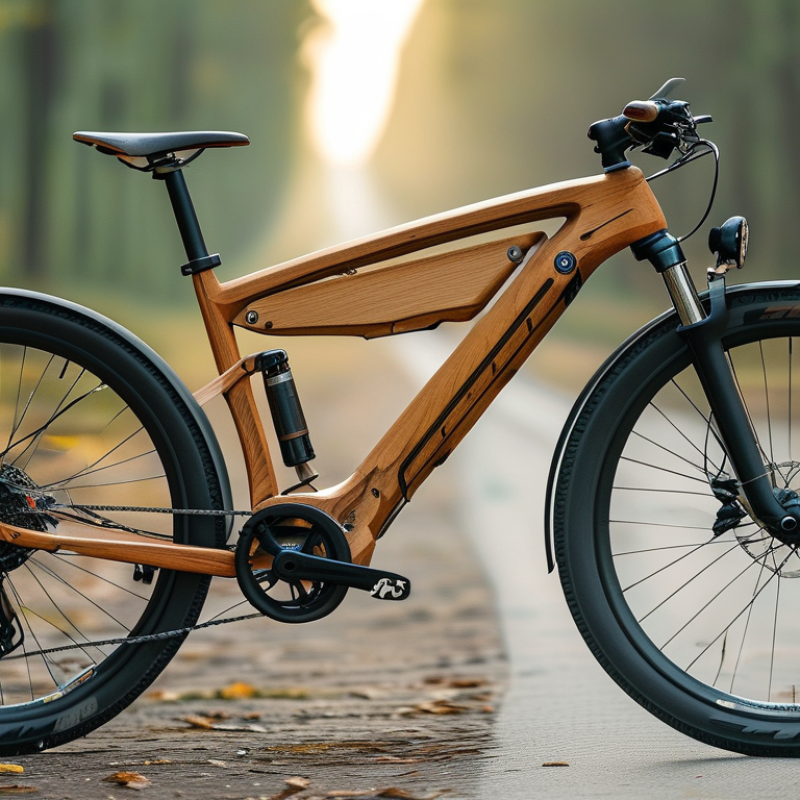
Overview of Sustainable Bicycles and Their Importance
Sustainable bicycles offer more than just a mode of transport. They represent a shift towards eco-friendliness in our daily lives. As cities grow, the need for sustainable solutions rises. Bicycles are an efficient way to reduce our carbon footprint. They help decrease air pollution and promote a healthier lifestyle. Riding a bike can also cut traffic congestion in urban areas, creating a more pleasant environment.
However, not all bicycles are designed sustainably. It's essential to consider materials and manufacturing processes. Many bikes are made from non-recyclable materials, which can be harmful to the environment. Some manufacturers are now focusing on eco-friendly materials, such as recycled metals and plant-based plastics. This shift is encouraging, but there is still a long way to go. Moreover, we must acknowledge that not every area is bike-friendly. Infrastructure issues can limit the benefits of cycling. Recognizing these challenges allows us to push for improvements and support sustainable practices in communities.
Top 10 Best Sustainable Bicycles for Global Buyers
| Model | Material | Weight (kg) | Eco-Rating (out of 5) | Price (USD) |
| Model A | Recycled Aluminum | 12 | 4.5 | $800 |
| Model B | Bamboo | 14 | 4.8 | $950 |
| Model C | Carbon Fiber | 11 | 5.0 | $1200 |
| Model D | Steel | 13 | 4.0 | $600 |
| Model E | Aluminum | 10 | 4.7 | $850 |
| Model F | Hemp | 12.5 | 4.6 | $900 |
| Model G | Titanium | 9 | 4.9 | $1500 |
| Model H | Recycled Plastic | 13.5 | 4.4 | $700 |
| Model I | Wood | 14.5 | 4.3 | $650 |
| Model J | Recycled Steel | 15 | 4.2 | $580 |
Criteria for Selecting the Best Sustainable Bicycles
Choosing the right sustainable bicycle involves several key criteria. Durability is crucial. A well-made bike lasts longer and reduces waste. Look for materials like recycled aluminum or bamboo. These often perform better than standard materials. Weight matters too; lighter bikes are easier to ride and transport.
Another aspect is design. A bike should suit your riding style and local terrain. Whether it's for commuting or weekend trails, comfort is key. Features like ergonomic seating can enhance the experience. Sustainability also involves maintenance practices. Easy-to-repair bikes promote longevity.
Lastly, consider the supply chain. Transparency regarding production practices adds value. Knowing where and how the bike was made can affect your choice. Brands with a commitment to ethical labor practices boost confidence. These factors create a more responsible purchase. Reflecting on these elements will guide your decision effectively.
Top 10 Sustainable Bicycles Available for Global Consumers
The demand for sustainable bicycles is rising globally. A recent report stated that the electric bicycle market is projected to grow by 48% from 2023 to 2030. This shift reflects changing consumer priorities towards eco-friendliness and health. As urban cycling becomes more popular, manufacturers are responding by producing bikes with sustainable materials and practices.
Many bicycles now utilize recycled aluminum and sustainable wood for frames. Hydrogen fuel cells and electric power assist are also being integrated into designs. These innovations help reduce carbon footprints. According to the World Cycling Alliance, cycling can reduce urban traffic congestion and lower CO2 emissions by up to 30%.
However, challenges persist. Some bicycles lack durability due to the materials used. The manufacturing process can also be environmentally taxing. More transparency from manufacturers is needed. Consumers should be informed about their choices. Understanding product origins leads to better purchasing decisions. Overall, the sustainable bicycle industry is evolving but requires continuous scrutiny and improvement.
Comparative Analysis of Each Featured Bicycle Model
When evaluating sustainable bicycles, several key features emerge. Many models prioritize eco-friendly materials and production methods. For instance, some use recycled aluminum frames, reducing waste and energy consumption. This change is crucial for lowering the carbon footprint associated with manufacturing. Furthermore, natural fiber composites are gaining traction. They offer strength while being biodegradable.
Performance is another area where these bicycles excel. Lightweight designs enhance efficiency on various terrains. Riders often notice better speed without excessive effort. However, durability remains a concern. Some bicycles may not hold up as well under rigorous use. This is a point for potential buyers to consider carefully.
Safety features are essential too. Quality brakes and visibility enhancements are increasingly standard. In urban settings, these aspects can make a significant difference. Riders must also reflect on usability. Some models may be more challenging to maintain over time. Evaluating the balance between sustainability and performance requires a thoughtful approach.
Future Trends in Sustainable Bicycle Manufacturing
Sustainable bicycle manufacturing is evolving rapidly. With growing emphasis on environmental stewardship, manufacturers are exploring innovative materials. For example, bamboo and hemp are being tested for durability and lightweight characteristics. These materials not only reduce carbon footprints but also enhance the overall aesthetic value of bicycles.
Design trends also focus on modular components. This allows for easier upgrades and replacements. Riders can customize their bikes based on personal needs and preferences. Sustainability fosters creativity, leading to unique designs that capture consumer interest.
Tips: Consider your riding habits when selecting a bicycle. Prioritize durability and maintenance ease. Look for bikes that offer versatility for different terrains. Always check if the materials align with eco-friendly standards. Embracing sustainability includes being informed and making conscious choices.