Best Tips for Choosing the Right Carton Box for Shipping?
When it comes to shipping, selecting the right carton box is crucial. Industry expert, John Smith, states, “The right carton box can make or break your shipping experience.” This highlights the importance of understanding your shipping needs and finding the best fit for your products.
Carton boxes are not just cardboard containers; they play a vital role in ensuring the safety and integrity of your items during transit. Choosing an appropriate box involves considering factors such as size, material, and durability. For example, using a box that is too small can lead to damage. On the other hand, a box that is too large may cause items to shift, resulting in unforeseen complications.
Many people overlook the significance of quality in carton boxes. Flimsy options may save costs initially, but they can lead to larger expenses down the line. Reflecting on prior mistakes can guide better choices in the future. Investing time in selecting the right carton box is essential for a successful shipping process. It reflects professionalism and care for your products.

Understanding the Different Types of Carton Boxes for Shipping
When selecting the right carton box for shipping, it is essential to understand the various types available. The most common types are regular slotted containers (RSC), die-cut boxes, and full overlap containers. Each has specific strengths suited for different shipping needs. RSC boxes are versatile and widely used in various industries. They are often cost-effective due to their simple structure and efficient use of materials.
Data from the Packaging Industry Association indicates that around 80% of shipping uses corrugated boxes, highlighting their popularity and reliability. Die-cut boxes are custom-made, fitting unique products well. They can reduce damage during transit when sized correctly. The packaging must align with the goods being shipped; using the wrong box may lead to increased costs or product loss.
The choice of materials also matters. The use of recycled materials for cartons has increased by 25% in recent years, reflecting environmental awareness. It is not always clear which type of carton provides the best protection. Testing box strength against product weight is crucial. Inadequate sizing and support can result in damaged goods. This reality emphasizes the significance of thoughtful selection in packaging.
Key Factors to Consider When Choosing a Carton Box
When selecting the right carton box for shipping, several key factors must be evaluated. The size of the box is crucial. Avoid boxes that are too large or too small for your items. A snug fit reduces movement and potential damage during transit. However, ensure that there is enough space for cushioning material. Think about the weight of your items as well. Heavier items require sturdier boxes.
Material selection is another vital consideration. Options include corrugated cardboard and single-wall boxes. Corrugated cardboard offers extra strength, which is essential for fragile items. Check the box’s edge crush test (ECT) rating to determine its strength. More robust boxes may cost slightly more, but they provide better protection, leading to fewer returns or damages.
Additionally, consider the environment. Many consumers prefer eco-friendly packaging. Biodegradable boxes are becoming more popular and can enhance your brand image. Evaluate the shipping method too. Some carriers have specific requirements for box dimensions and weight. Failing to comply could lead to extra fees. Reflect on these factors to make informed choices in your shipping process.
Best Tips for Choosing the Right Carton Box for Shipping
| Factor |
Description |
Recommended Specifications |
| Material |
Choose between corrugated cardboard, paperboard, or plastic based on the item's fragility. |
Rippled for heavier items; single-wall for lightweight. |
| Size |
Ensure the box fits the product snugly to avoid movement during transit. |
1-2 inches of extra space for cushioning. |
| Weight Capacity |
Consider the weight of the items to prevent box failure. |
Test for bursting strength; use heavier rated boxes for heavy items. |
| Closure Type |
Select a closure style (tape, glue, etc.) suitable for the contents. |
Use reinforced tape for heavy boxes. |
| Environmental Considerations |
Opt for recyclable materials to minimize environmental impact. |
Look for FSC certified materials. |
Measuring Your Products for the Ideal Box Size
Measuring your products accurately is crucial for selecting the right carton box for shipping. Start by using a tape measure to determine the dimensions of your item: length, width, and height. Always measure the largest points. This ensures the box accommodates your product without excessive empty space, which can lead to damage. A snug fit is key, yet you don’t want it too tight.
Consider the weight of your product as well. Heavier items require sturdier boxes, which can affect your choice of materials. Checking weight limits on carton options is essential. Remember to include packaging materials, like bubble wrap or foam inserts, in your measurements. These can significantly alter the dimensions needed for the box.
Think about the nature of your product too. Fragile items need extra padding and protection. Be mindful that adequate cushioning takes up space, potentially affecting box size. Don’t overlook the results of poor measurements. An ill-fitting box can lead to costly returns or damaged goods. Accurate measurements and thoughtful decisions will lead to a more reliable shipping experience.
Evaluating Box Strength and Durability for Safe Shipping
When shipping products, box strength and durability are vital. A weak box can lead to damaged goods. Choosing the right material is a key part of this decision. Corrugated cardboard is a popular option. It offers a good balance between weight and strength. The right thickness can make a big difference in protection.
Consider the weight of your items. Heavier items require sturdier boxes. Look for boxes with a higher edge crush test (ECT) rating. This rating tells you how much pressure the box can withstand. For fragile items, double-walled boxes might be necessary. They provide that extra layer of security that one-wall boxes lack.
Think about the box's features, too. Some boxes come with reinforced corners. These are helpful for added structure. Additionally, consider the dimensions of your items. An ill-fitting box can lead to shifting during transport. Small items in a large box can rattle around. That can cause damage. A snug fit is essential, but it should not be too tight either. A perfect balance ensures safety during shipping.
Sustainability Considerations in Selecting Carton Boxes
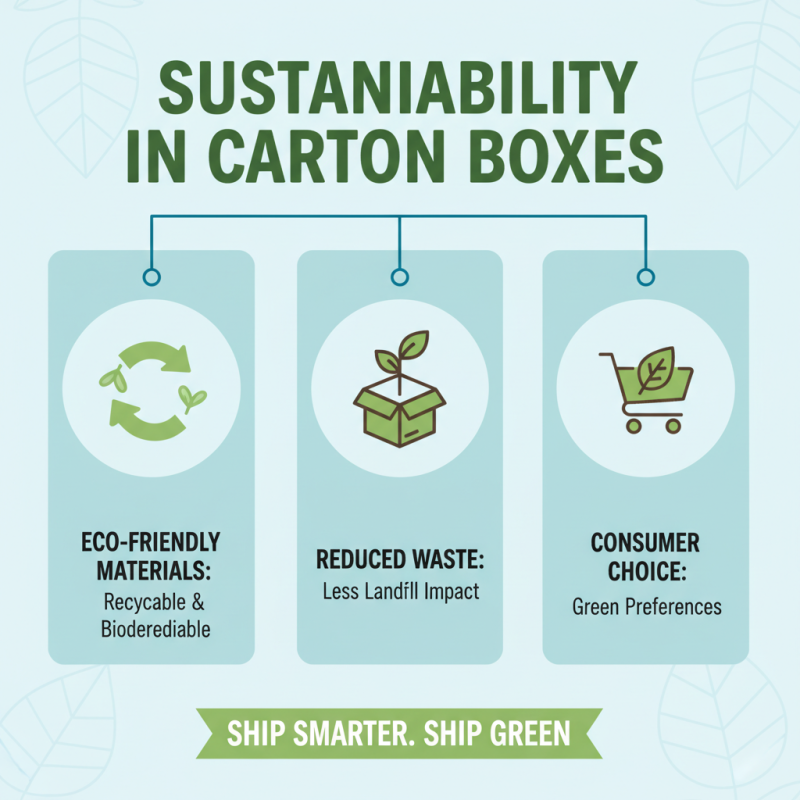
When selecting carton boxes for shipping, sustainability should be a top consideration. Many businesses are now prioritizing eco-friendly packaging. This shift reflects a growing awareness of environmental impact and consumer preferences for greener options. Using recyclable or biodegradable materials reduces waste and minimizes harm to the planet.
Choosing the right materials is crucial. Look for boxes made from recycled paper. This helps conserve natural resources. Additionally, prioritize manufacturers who practice sustainable sourcing. However, it’s important to assess the balance between sustainability and durability. Sometimes, eco-friendly options may not withstand harsh shipping conditions, which can lead to product damage. Testing different materials under various conditions can provide valuable insights.
Another aspect involves proper sizing. Smaller boxes reduce material usage and minimize empty space. This approach not only saves resources but also reduces shipping costs. It's essential to reflect on your practices. Are you truly benefiting the environment with your packaging choices? Engaging in regular evaluations can help you improve sustainability efforts over time.