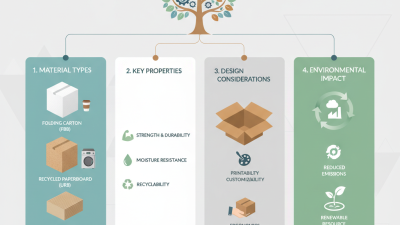
What is Business Packaging and Why It Matters for Companies?
Business packaging is a crucial yet often overlooked aspect of marketing. Companies invest heavily in their products but sometimes neglect how they present them. Strong business packaging not only protects items but also communicates a brand’s identity. It influences customer perception and can drive sales.
Effective packaging attracts attention. It creates an emotional connection with consumers. For example, a sleek box can indicate luxury, while eco-friendly materials show commitment to sustainability. However, many businesses fail to align their packaging with their brand values, leading to a disconnect. This inconsistency can confuse customers and harm brand reputation.
In today’s competitive market, businesses must re-evaluate their strategies. Ignoring the importance of packaging can be detrimental. As brands evolve, their packaging should reflect their growth and values. Companies should strive for innovation in design while keeping functionality in mind. Balancing creativity and practicality is essential for success. Every detail matters in business packaging.

What is Business Packaging?
Business packaging refers to the design and presentation of products aimed at creating a strong first impression. It encompasses everything from material selection to the visual aesthetics. Effective packaging captures attention and communicates a brand's message. It should reflect the essence of the product while meeting consumers' expectations. Poor packaging can overshadow even the best products. It’s not just about protection; it’s about perception.
When companies invest in packaging, they often focus on creating a beautiful exterior. However, functionality should not be neglected. Packaging must be easy to open and environmentally friendly. Customers care about sustainability. Neglecting this aspect could alienate a growing demographic of eco-conscious consumers. Even an eye-catching design may fail if it compromises usability or is made from non-recyclable materials.
Additionally, businesses must consider the messaging on the packaging. Clear and concise information instills trust. Confusing labels or misleading claims can lead to dissatisfaction. Companies often overlook the importance of clarity. Failing to communicate essential details can backfire. Every element should be meticulously crafted, as it shapes the overall consumer experience.
The Importance of Packaging in Brand Identity
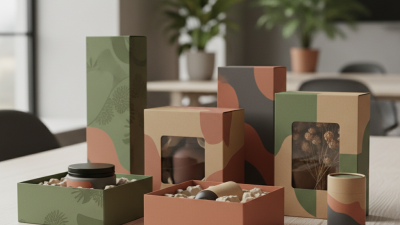
Packaging plays a critical role in establishing a brand's identity. It is often the first interaction a customer has with a product. A well-designed package can communicate a brand’s values and essence effectively. Colors, shapes, and materials can evoke emotions, drawing in potential customers. For instance, eco-friendly packaging can express a commitment to sustainability. Simple changes can create a strong visual impact.
However, there are challenges in packaging design. Not every company understands its target audience deeply. Some brands may follow trends without considering their unique identity. This can lead to a generic look that fails to stand out. A careful balance between creativity and practicality is essential. Design should not only be visually appealing but also functional. A beautiful box that is difficult to open can frustrate customers.
Reflecting on packaging choices is crucial. The wrong design can send confusing messages. Brands must ensure their packaging aligns with their story and mission. Investing time in consumer feedback can lead to significant improvements. Ultimately, packaging should enhance the overall customer experience, making it memorable and trustworthy.
Types of Business Packaging Techniques
Business packaging plays a crucial role in how a company presents its products. Effective packaging techniques can enhance brand image and consumer experience. There are several techniques that companies can use, and they each serve a distinct purpose.
One popular method is eco-friendly packaging. Using biodegradable materials can attract environmentally conscious consumers. It reflects a commitment to sustainability. Companies should, however, be cautious. Over-promising on environmental benefits can backfire if the products do not perform as expected.
Another technique is minimalist packaging. Simple designs focus on the product itself. This approach can reduce costs and waste. It also allows consumers to connect with the product directly. However, too minimalist can sometimes mean uninspired. Striking a balance is essential for keeping consumers engaged.
Using unique shapes and sizes can also set a product apart. Creative packaging grabs attention on crowded shelves. Yet, this can lead to higher production costs. Companies must weigh the risks and rewards carefully. Finding the right technique is vital for effective business packaging.
Types of Business Packaging Techniques and Their Importance
How Packaging Influences Consumer Behavior
Packaging plays a crucial role in shaping consumer behavior.
Eye-catching designs attract attention. Attractive colors and
bold fonts are effective tools. They create an emotional connection before the
product is even touched. People often pick a product based on its packaging.
It influences their perception of quality.
Consider a simple item like a cereal box. A well-designed box can make it feel
premium. Conversely, a dull box may suggest low quality. Consumers can be quite
judgmental based on packaging alone. They often overlook the product inside. This raises questions:
Are we focusing too much on appearance?
Are we forgetting the actual value of the product?
Furthermore, packaging can create an experience. Unboxing is part of the thrill for many. The anticipation builds with each layer
removed. However, sometimes the packaging can be excessive.
Too much plastic can lead to waste. Reflecting on the balance
between aesthetics and sustainability is important. This challenge shapes how
companies approach their packaging strategies.
Sustainability in Business Packaging Practices
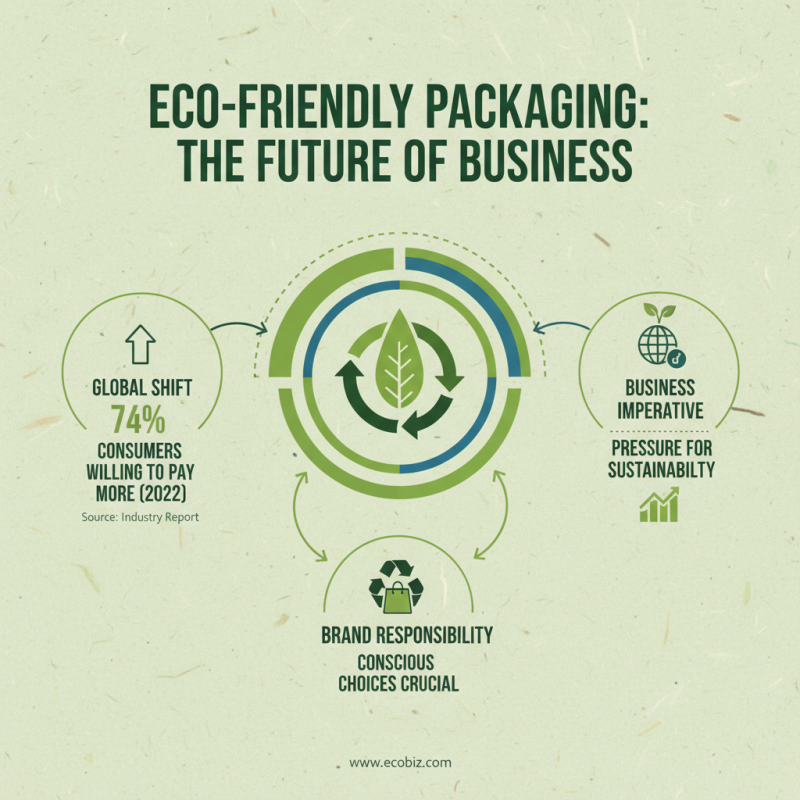
Sustainability in business packaging is gaining momentum. Companies face pressure to adopt eco-friendly practices. In 2022, 74% of global consumers were willing to pay more for sustainable packaging. This shift emphasizes the need for brands to be conscious of their packaging choices.
Many companies are rethinking materials. Traditional plastic is often viewed negatively. Instead, renewable resources like bamboo and recycled paper are surfacing. In fact, the sustainable packaging market is expected to grow to $500 billion by 2027, as reported by Smithers Pira.
While progress is evident, challenges remain. Not all sustainable options are cost-effective. Brands must balance environmental goals with budget constraints. Furthermore, consumer awareness of sustainability can vary significantly. This inconsistency can lead to skepticism about green claims. Thus, companies must ensure transparency and prove their commitment to sustainability through measurable actions.