Why Business Packaging Matters for Success: Key Benefits and Strategies
In today’s fiercely competitive marketplace, the significance of business packaging cannot be overstated. Packaging is not merely a protective layer around a product; it encompasses an array of strategic benefits that can elevate a brand’s presence and influence consumer behavior. Effective business packaging serves as a critical touchpoint between a company and its customers, creating first impressions that can drive engagement and loyalty.
Moreover, well-designed packaging can communicate important information about the product, reflect the brand’s identity, and demonstrate its commitment to quality and sustainability. As businesses strive for success, understanding and implementing effective packaging strategies becomes essential. This article will explore the key benefits of business packaging, highlighting how it can enhance brand recognition, improve customer experiences, and ultimately contribute to a company's bottom line. By leveraging innovative and thoughtful packaging solutions, businesses can significantly differentiate themselves from competitors and foster a lasting connection with their target audience.
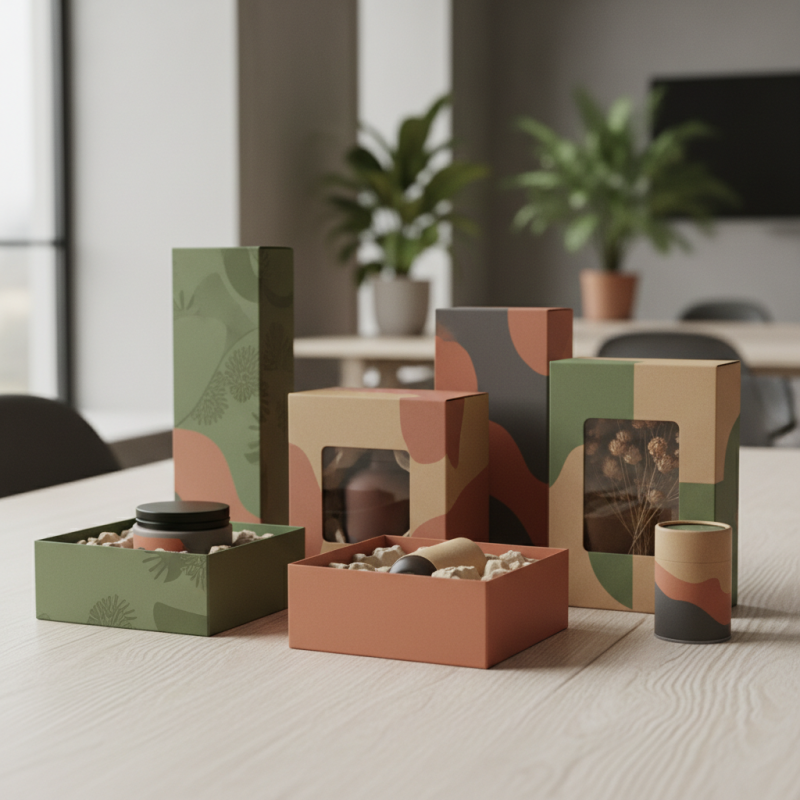
The Role of First Impressions: How Packaging Captures Consumer Attention
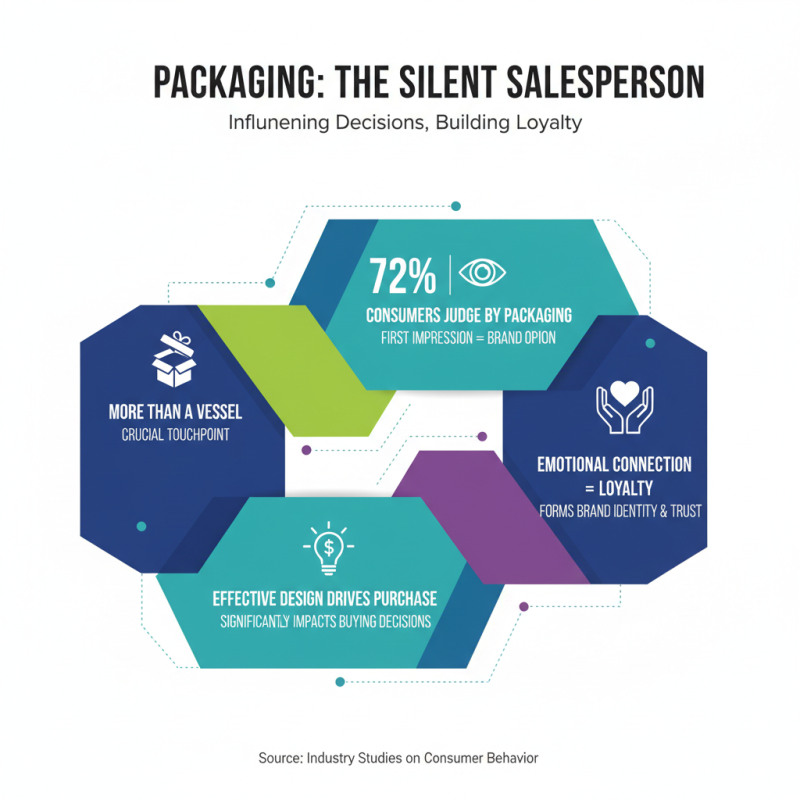
In today’s competitive marketplace, the significance of packaging extends far beyond mere functionality; it plays a crucial role in creating a lasting first impression. Research indicates that 72% of consumers judge a brand based on its packaging alone, highlighting the immediate impact that well-designed packaging can have on consumer perceptions. This initial visual encounter can be the deciding factor that prompts a customer to choose one product over another, as packaging communicates the brand's values, quality, and appeal.
Moreover, packaging acts as a powerful marketing tool that captures consumer attention through standout design elements. A study conducted by the Paper and Packaging Board revealed that 60% of consumers are more likely to purchase a product if they find its packaging attractive. This statistic underscores the importance of strategic packaging design, which not only draws in potential customers but also fosters brand loyalty by creating a memorable unboxing experience. By investing in innovative and eye-catching packaging strategies, brands can significantly enhance their market presence and drive sales, showcasing the undeniable connection between packaging aesthetics and consumer behavior.
Statistics on Packaging's Influence: Up to 70% of Purchase Decisions Affected
When it comes to consumer behavior, the impact of packaging is profound. Recent studies indicate that up to 70% of purchase decisions are influenced by packaging. This statistic underscores the importance of carefully considered packaging strategies that not only attract attention but also communicate a brand's values and quality. Consumers are more likely to choose products with visually appealing packaging that clearly conveys information about the product inside. In fact, a report by the Paper and Packaging Board revealed that 60% of consumers prefer products with sustainable packaging, demonstrating that eco-friendliness plays a significant role in purchase decisions.
To leverage the power of packaging, brands should focus on unique design elements that enhance shelf impact. This can include vibrant colors, innovative shapes, or tactile materials that create a memorable experience. Additionally, providing clear information on the packaging about product benefits and usage can guide consumers toward making informed choices.
**Tips**: When designing packaging, consider conducting A/B testing with different styles to assess consumer preferences. Also, incorporating elements like QR codes can engage tech-savvy consumers, providing them with additional information and creating a deeper connection with the brand. Finally, ensure that your packaging reflects your brand identity cohesively, as consistency helps build trust and recognition among consumers.
Why Business Packaging Matters for Success: Key Benefits and Strategies
| Aspect |
Statistic |
| Influence of Packaging on Purchase Decisions |
70% |
| First Impressions Made by Packaging |
65% |
| Consumer Preference for Sustainable Packaging |
51% |
| Increased Brand Recognition through Packaging |
70% |
| Impact of Packaging on Loyalty |
49% |
| Effect of Packaging on Product Quality Perception |
76% |
| Role of Packaging in Social Media Sharing |
57% |
Sustainability in Packaging: Consumer Preference for Eco-Friendly Solutions
Sustainability in packaging has become a cornerstone of consumer preference, with recent studies showing that up to 73% of consumers are willing to pay more for environmentally friendly products. As awareness around climate change and environmental issues continues to rise, businesses that integrate eco-friendly packaging solutions are positioning themselves for success. According to a report by Nielsen, nearly two-thirds of global consumers prefer brands that are committed to sustainability, highlighting a significant shift in purchasing behavior towards eco-conscious packaging.
The benefits of adopting sustainable packaging strategies extend beyond meeting consumer preferences; they also contribute to brand loyalty and competitive advantage. A survey by McKinsey revealed that 60% of consumers believe that brands should take responsibility for their environmental impact. By utilizing biodegradable materials, reducing plastic usage, and implementing recyclable designs, businesses can not only attract eco-conscious consumers but also differentiate themselves in a crowded market. Moreover, eco-friendly packaging often leads to reduced production costs over time, as materials become more accessible and companies transition to more efficient, sustainable practices.
Packaging as Brand Identity: Creating Recognition and Loyalty through Design
Packaging is not just a vessel for products; it serves as a crucial touchpoint between consumers and brands. Effective packaging design can significantly impact a customer’s purchasing decision, with studies indicating that 72% of consumers form their opinion about a product based on packaging alone. This highlights the critical role of design in establishing brand identity. Packaging acts as a silent salesperson that conveys the essence of a brand, influences perceptions, and sparks emotional connections, ultimately leading to customer loyalty.
In today's competitive market, creating recognition through distinctive packaging is imperative. According to a report by the Packaging Industry Association, around 60% of consumers are likely to repurchase a product if they have a positive experience with its packaging. This underscores the importance of thoughtful design that aligns with consumer expectations and aspirations. Through strategic use of colors, typography, and imagery, brands can craft a visual identity that resonates with their target audience. By ensuring consistency across all packaging, companies not only enhance brand recognition but also foster trust, which is essential for cultivating long-term customer relationships.
Cost-Effective Packaging Strategies: Balancing Quality and Budget Constraints
Effective packaging plays a crucial role in business success, balancing quality with budget constraints can yield significant benefits. To achieve this, companies should prioritize choosing the right materials that offer durability while remaining cost-efficient. For instance, using recyclable materials not only attracts environmentally conscious consumers but often reduces production costs in the long run. Moreover, simple yet attractive designs can enhance visual appeal without inflating expenses.
**Tips:** Consider bulk buying packaging materials to reduce per-unit costs, and collaborate with suppliers who understand your budgetary needs. Conduct regular assessments to identify any inefficiencies in your current packaging that could be optimized for cost savings.
In addition, packaging should reflect the brand's image without excessive spending. Streamlining the design process by using templates or digital tools can keep costs low while maintaining high-quality presentation. Businesses may also explore innovative packaging solutions, such as minimalist designs, which can effectively communicate brand values and product quality without overshooting budgets.
**Tips:** Research sustainable and innovative packaging trends to keep your products competitive, and don't hesitate to seek feedback from customers on packaging preferences to align further with market expectations.
Cost-Effective Packaging Strategies and Their Impact