Top China Shop Packaging Solutions for Global Buyers?
In the ever-evolving landscape of global commerce, shop packaging plays a crucial role in attracting customers. Chinese manufacturers excel in innovative packaging solutions, catering to diverse needs. This commitment to quality and design elevates products and enhances brand presence.
Today, buyers worldwide seek efficient, eco-friendly options that resonate with consumers. The shift toward sustainable materials reflects a growing awareness of environmental impacts. However, not all products meet this demand, leading to mixed responses in the market.
Navigating the vast array of choices can be daunting. Some brands prioritize aesthetics over functionality, while others struggle with logistics. Understanding these challenges is vital for making informed decisions that align with both business goals and customer expectations.
Top Trends in China’s Packaging Industry Influencing Global Buyers
China's packaging industry is evolving rapidly. Global buyers are closely watching these changes. Sustainability is becoming a key focus for many companies. Eco-friendly materials are now in high demand. Biodegradable options are gaining popularity among manufacturers. This trend is influenced by increasing consumer awareness of environmental issues.
Customization is another major trend. Many buyers seek unique packaging solutions tailored to their products. Innovative designs attract more customers. Suppliers in China are embracing technology to create personalized packaging. This allows brands to stand out in competitive markets. However, balancing customization with cost efficiency remains a challenge.
The rise of e-commerce is reshaping packaging trends in China. Online shopping demands protective, yet visually appealing packaging. Companies are investing in advanced logistics and packaging design. Yet, not all brands successfully adapt to this shift. Some struggle with achieving speed without compromising quality. Continuous improvement is needed to meet changing market demands.
Key Packaging Materials Used by Chinese Manufacturers in 2023
China has become a leading hub for packaging solutions in recent years. In 2023, various materials dominate the landscape, reflecting trends in sustainability and consumer preferences. Manufacturers frequently use cardboard, plastic, and biodegradable materials. Each serves different purposes, from promoting brand image to ensuring product safety.
Cardboard remains popular due to its recyclability and strength. It’s lightweight yet sturdy, making it ideal for shipping. Plastic is versatile but increasingly scrutinized for its environmental impact. Biodegradable materials are gaining traction as consumers demand greener options. This shift indicates a growing awareness of sustainability.
**Tips:**
When sourcing packaging, consider material origins. Conducting audits can improve reliability. It’s also essential to assess the durability of materials for shipping processes. For online purchases, clarity in packaging can enhance the unboxing experience for consumers. Sometimes, companies overlook the presentation aspect.
Always review the packaging design. An innovative approach can captivate buyers, yet it should align with brand identity. Expect challenges in finding the right balance between aesthetics and functionality. In the quest for excellence, it’s vital to remain adaptable and open to new ideas.
Innovative Packaging Solutions from China for E-commerce Businesses
In the booming e-commerce industry, packaging plays a vital role. Efficient packaging solutions can enhance product appeal and protect items during transit. Many businesses are exploring innovative options from China. Local manufacturers offer a variety of materials and designs tailored specifically for e-commerce.
One notable trend is eco-friendly packaging. Suppliers are increasingly using biodegradable materials. These options attract environmentally conscious consumers. However, not every product suits this type. Businesses must evaluate their needs carefully. Exploring this can lead to better customer satisfaction but also create challenges in sourcing.
Another key innovation is smart packaging. Using QR codes or NFC technology adds value. Consumers can access additional product information or offers. It engages shoppers and can drive repeat purchases. Still, companies need to ensure that technology aligns with their brand. Balancing innovation with practicality is essential for success.
Top China Shop Packaging Solutions for Global Buyers
| Packaging Type |
Material |
Sustainability |
Ideal for |
Customization Options |
| Boxes |
Cardboard |
Recyclable |
E-commerce, Retail |
Print, Sizes |
| Bags |
Plastic, Biodegradable |
Eco-friendly |
Food, Retail |
Colors, Logos |
| Wrapping Paper |
Paper |
Recyclable |
Gift, Art Supplies |
Patterns, Sizes |
| Tapes |
Plastic, Paper |
Recyclable |
Shipping, Packaging |
Colors, Widths |
| Protective Packaging |
Foam, Bubble Wrap |
Recyclable |
Fragile Items |
Sizes, Thickness |
Impact of Sustainability Practices on China’s Packaging Solutions
The shift towards sustainable practices is reshaping China’s packaging industry. In recent years, a report by the China National Light Industry Council suggests that sustainable materials constitute roughly 35% of the packaging market. This percentage is expected to increase as global buyers prioritize eco-friendly solutions.
Many manufacturers are adopting biodegradable and recyclable materials. Research indicates that 68% of consumers are willing to pay more for sustainable packaging. This reflects a growing demand for environmentally responsible products. However, challenges remain. Some companies struggle with sourcing sustainable raw materials. Others face higher production costs, which can deter them from transitioning.
The regulatory environment also plays a crucial role. China's recent policies favor eco-innovation, yet compliance can be complicated. Businesses must balance sustainability goals with operational efficiency. Often, practices fall short of expectations. Closing the gap between intention and implementation is essential for genuine progress. Global buyers need reliable partners in this journey toward sustainable packaging solutions.
The Role of Technology in Enhancing Packaging Efficiency in China
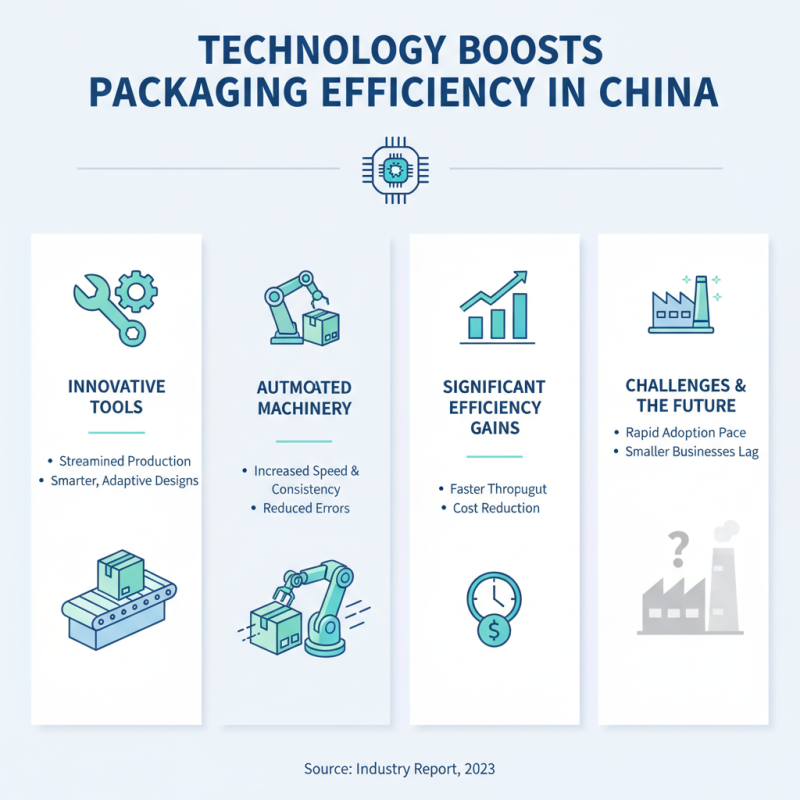
In recent years, technology has revolutionized packaging solutions in China. Innovative tools and software streamline production processes. Automated machinery increases speed and consistency. Packaging is now smarter and more adaptive to customer needs. Efficiency gains are significant, yet some businesses struggle to keep up. The rapid pace of adoption can leave smaller companies behind.
Data analytics plays a crucial role in enhancing packaging design. By analyzing consumer preferences, companies create tailored solutions. Advanced materials are now used to improve durability and reduce waste. However, not every technology is widely accessible. Smaller manufacturers may find it challenging to invest in high-tech equipment. This disparity can impact their competitive edge.
Sustainability remains a pressing concern. While technology can help reduce waste, it is not a panacea. Many firms still rely on outdated practices. Continuous improvement is necessary to meet global standards. As the market evolves, businesses must find a balance between efficiency and environmental responsibility.