Why Choose Plastic Boxes for Your Packaging Needs?
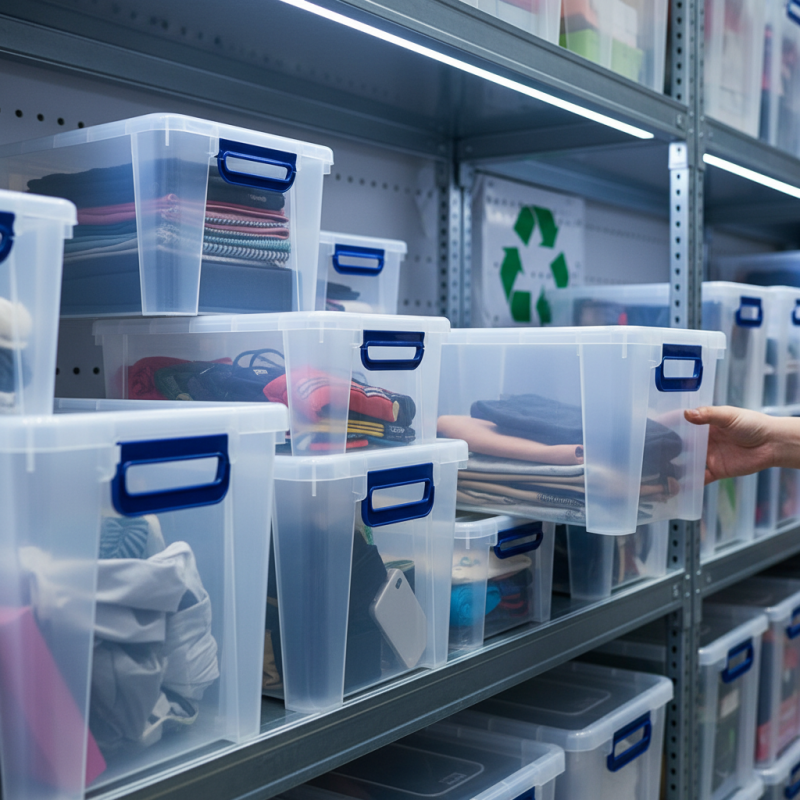
When it comes to packaging needs, Plastic boxes have gained significant popularity. These versatile containers offer numerous advantages that make them a top choice in various industries. A plastic box is not only durable but also lightweight, making it easy to transport. Their transparency allows for quick identification of contents, enhancing efficiency in storage and organization.
Moreover, plastic boxes are often reusable and recyclable, which contributes to sustainability efforts. This eco-friendly aspect is increasingly important as businesses strive to reduce their environmental footprint. However, it's crucial to reflect on the types of plastic used, as the quality can vary. Some plastic boxes may not be as sturdy as they appear, leading to potential concerns about product safety.
Ultimately, the choice of plastic boxes for packaging should be guided by specific needs. Assessing factors like durability, appearance, and environmental impact is essential. By carefully considering these elements, businesses can make informed decisions that align with their values and operational requirements.
Benefits of Using Plastic Boxes in Packaging Solutions
Plastic boxes offer numerous benefits for packaging solutions that make them a popular choice across industries. They are durable and can withstand various handling conditions. This strength helps protect products during transportation and storage. A well-designed plastic box can prevent damage, ensuring that items arrive in perfect condition.
In addition, plastic boxes are lightweight. This feature leads to lower shipping costs and easier handling. You can stack these boxes efficiently, maximizing storage space. Their transparency allows easy visibility of contents, which simplifies inventory management. However, they might not offer the same biodegradability as cardboard. This topic raises important questions about sustainability. Companies now consider using recycled materials for these boxes to address environmental concerns.
Regulatory standards often impact packaging choices. It's crucial to select materials that comply with safety guidelines. Plastic boxes provide flexibility in design, enabling custom sizes and shapes to fit specific needs. This adaptability can enhance branding efforts. Some businesses might worry about the initial investment for custom molds, but the long-term benefits often outweigh these concerns.
Comparative Durability of Plastic Boxes vs. Other Materials
When it comes to packaging, the choice of material is crucial. Plastic boxes stand out for their remarkable durability compared to other options. Unlike cardboard or paper, plastic boxes resist moisture and tearing, making them a reliable choice in various environments. Their sturdiness can withstand impacts, ensuring the safety of contents during transportation.
The lifespan of plastic boxes often surpasses that of traditional packaging materials. They can endure extreme temperatures without losing structural integrity. However, the environmental impact of plastic is a concern. While they last longer, their disposal poses challenges. Finding eco-friendly alternatives is essential. Yet, the reliability and versatility of plastic boxes can’t be ignored.
Consider the weight factor as well. Plastic boxes are often lightweight, easing transportation costs. However, some may argue that this doesn’t justify environmental concerns. Balancing durability with sustainability is a thoughtful challenge. Finding the right materials for packaging requires careful reflection and informed choices. Ultimately, the decision impacts not only the product but also the environment surrounding it.
Why Choose Plastic Boxes for Your Packaging Needs? - Comparative Durability of Plastic Boxes vs. Other Materials
| Material Type | Durability (Years) | Weight (kg/m³) | Weather Resistance | Cost Efficiency |
| Plastic Box | 10-30 | 850 | High | Very High |
| Cardboard Box | 1-3 | 400 | Low | High |
| Wooden Box | 10-20 | 600 | Medium | Medium |
| Metal Box | 20-50 | 7800 | Very High | Low |
Cost-Effectiveness of Plastic Packaging in Various Industries
Plastic packaging has gained immense popularity across various industries. Its cost-effectiveness is a key reason for this trend. Many companies find that using plastic boxes significantly reduces their packaging expenses. Compared to traditional materials like glass or metal, plastic is lighter and often cheaper to produce.
In the food service industry, plastic containers are widely used. They provide effective protection for food items while being budget-friendly. Restaurants and takeout services benefit from bulk purchasing of plastic boxes. This leads to lower operational costs. Additionally, these boxes often come in various shapes and sizes. This versatility allows businesses to tailor their packaging to customer needs without overspending.
However, there are concerns regarding environmental impact. Not all types of plastic are recyclable, and many end up in landfills. This creates a dilemma for companies aiming for sustainability. Investing in recycled plastic options can help. It requires thoughtful planning and consideration. Balancing cost-effectiveness with eco-friendly practices remains a challenge for many brands.
Cost-Effectiveness of Plastic Packaging in Various Industries
Environmental Impact and Recyclability of Plastic Packaging
Plastic packaging has come under scrutiny for its environmental impact. However, when managed properly, it can also offer sustainable solutions. According to a 2021 report by PlasticEurope, the recycling rate for plastic packaging in Europe was around 41.5%. This demonstrates a significant improvement, yet the need for further progress remains evident.
When considering the recyclability of plastic, it is essential to differentiate types. Not all plastics are created equal. PET and HDPE plastics have higher recycling rates and are often used in packaging. Additionally, the Ellen MacArthur Foundation reported that only 9% of plastic waste ever gets recycled globally. This lack of infrastructure can lead to increased landfill waste, challenging our sustainability goals.
Public perception plays a crucial role in the conversation about plastic. Some consumers are skeptical of using plastic due to its negative image. Education on proper waste management can help mitigate these concerns. Innovative packaging solutions, like biodegradable plastics, are emerging, but they also require consumer awareness. The path to sustainability involves collaboration across industries to ensure recyclable materials are used effectively.
Trends and Innovations in Plastic Packaging Technologies
The demand for plastic packaging technologies is rapidly evolving. As sustainability concerns rise, innovations in this sector are crucial. A recent report from the Flexible Packaging Association highlights a 12% increase in the use of recycled materials in plastic packaging. This shift reflects both industry trends and consumer preferences for environmentally friendly products.
One of the most exciting developments is the emergence of biodegradable plastics. These materials break down more easily than traditional plastics, reducing long-term environmental impact. A study by Smithers Pira indicates that the global biodegradable plastics market will reach $10.8 billion by 2026, growing at a rate of 16.38% annually. Companies are investing heavily in this technology, yet challenges remain. For instance, the performance of biodegradable plastics may not match that of conventional options in all applications.
Recyclability is another area of focus. Technologies for creating fully recyclable packaging solutions are advancing. However, according to a report by McKinsey & Company, only 14% of plastics are collected and recycled globally. There is still a long way to go to improve recycling processes and infrastructure. As companies adapt to these changes, they must balance innovation with the need for practical solutions.