How to Choose the Best Paperboard Packaging for Your Products
In today's fast-evolving marketplace, selecting the right packaging for your products is a critical decision that can influence not only the appeal of your products but also their sustainability. Experts in the field highlight the importance of paperboard packaging as an optimal choice for businesses seeking both functionality and eco-friendliness. Richard Miller, a leading specialist in sustainable packaging solutions, asserts, "Paperboard packaging not only protects products but also communicates a brand's commitment to environmental responsibility." This insight emphasizes the dual role that paperboard packaging plays in modern product presentations.
As consumers become increasingly aware of environmental impact, companies must adapt by choosing materials that align with their values and meet market demands. Paperboard packaging offers several advantages, including versatility, strength, and recyclability, making it a suitable option for a wide range of products. Understanding the various types of paperboard available and their unique properties is essential for businesses aiming to enhance their product's marketability while maintaining a sustainable approach. In this article, we will explore the key factors to consider when selecting the best paperboard packaging to ensure your products stand out while contributing positively to the environment.
Understanding Different Types of Paperboard Packaging: A Market Overview
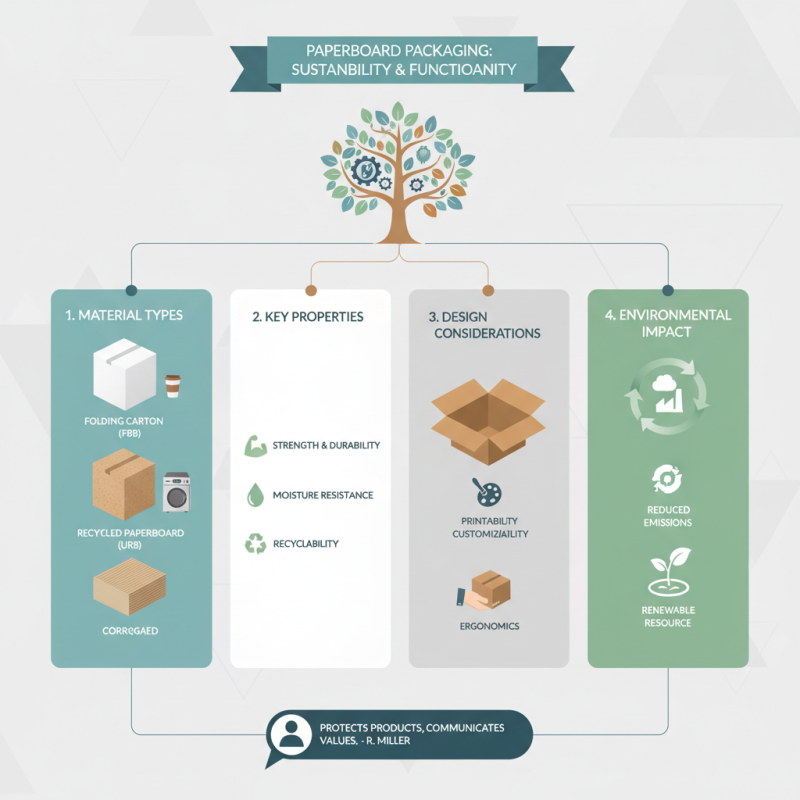
When choosing paperboard packaging for your products, it's vital to understand the various types available in the market. Paperboard comes in multiple grades and styles, each designed to meet specific needs. There are folding cartons, which are lightweight yet sturdy, ideal for consumer goods and food products. Then there are solid bleached sulfate (SBS) boards, known for their excellent printing quality and often used for high-end packaging, such as cosmetics and pharmaceuticals. Each type provides distinct advantages that cater to different market segments.
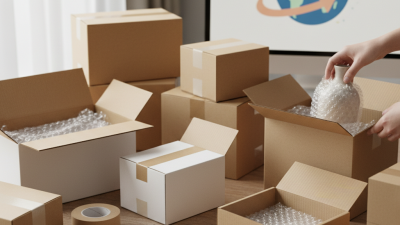
Another popular option is recycled paperboard, which appeals to environmentally-conscious consumers and brands. It combines sustainability with functionality, making it suitable for products where eco-friendliness enhances brand value. Additionally, corrugated paperboard, known for its strength, is commonly used for shipping bulky items, providing both protection and cushioning. By understanding these diverse types of paperboard packaging, businesses can effectively align their choice with product requirements, customer preferences, and sustainability goals.
Key Features to Consider When Choosing Paperboard for Product Protection
When choosing paperboard packaging for your products, several key features must be considered to ensure adequate protection and functionality. First and foremost, the thickness and density of the paperboard are crucial. Thicker paperboard can offer better resistance against impacts and punctures, making it an ideal choice for fragile items. Additionally, the type of paperboard, whether it's single wall or double wall, can significantly influence the durability of the packaging, with double-wall options providing enhanced strength for heavier products.
Another important factor is the moisture resistance of the paperboard. Products that are sensitive to humidity or moisture damage require packaging that can effectively shield them from environmental factors. Coated paperboards, which feature a layer that repels water, can be considered for items that might face exposure to damp conditions during transit or storage. Furthermore, assessing the recyclability and sustainability of the paperboard is increasingly important, as consumers and businesses alike prioritize eco-friendly solutions. Selecting materials that align with environmental standards can not only protect your products but also bolster your brand’s commitment to sustainability.
Evaluating Environmental Impact: Sustainable Options in Paperboard Packaging
When considering paperboard packaging, evaluating its environmental impact is crucial in today's eco-conscious marketplace. According to the Sustainable Packaging Coalition, the use of paperboard can significantly reduce carbon footprints compared to traditional plastic packaging; studies show that paper products produce 62% fewer greenhouse gas emissions than their plastic counterparts over their entire lifecycle. Additionally, paperboard is often sourced from sustainably managed forests, contributing to responsible forestry practices and biodiversity conservation.
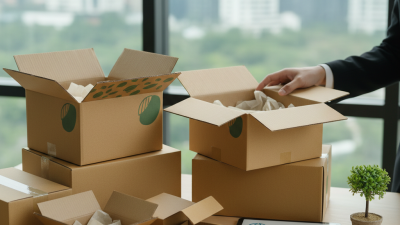
Furthermore, advancements in technology have enabled the development of innovative, eco-friendly coated paperboards. These alternatives utilize natural materials for coatings instead of conventional petroleum-based options, maintaining the protective qualities needed for various products while reducing the reliance on non-renewable resources. Research from the Paper and Packaging Board indicates that over 75% of consumers prefer brands that use sustainable packaging, indicating that businesses adopting eco-friendly paperboard solutions can enhance their marketability and resonate with conscious consumers. Choosing sustainable paperboard not only showcases a commitment to environmental stewardship but also aligns with evolving consumer expectations in a competitive landscape.
How to Choose the Best Paperboard Packaging for Your Products - Evaluating Environmental Impact: Sustainable Options in Paperboard Packaging
| Packaging Type |
Material Composition |
Recyclability |
Sustainability Rating |
Carbon Footprint (per 1000 units) |
| Folding Carton |
100% Recycled Paperboard |
Yes |
A+ |
150 kg CO2 |
| Rigid Box |
Virgin Fiber Paperboard |
Yes |
B |
200 kg CO2 |
| Paper Tube |
100% Recycled Paperboard |
Yes |
A |
120 kg CO2 |
| Corrugated Box |
50% Recycled / 50% Virgin |
Yes |
B+ |
175 kg CO2 |
| Paper Bag |
100% Kraft Paper |
Yes |
A++ |
90 kg CO2 |
Cost Analysis: Balancing Quality and Affordability in Paperboard Choices
When selecting paperboard packaging, businesses must weigh the trade-offs between quality and affordability. High-quality paperboard can enhance product protection, improve aesthetics, and elevate the perceived value of the brand. However, opting for superior materials often comes at a higher price, which can significantly affect overall production budgets.
Companies need to conduct an in-depth cost analysis to determine the impact of these choices on their bottom line, taking into account not only material costs but also potential savings from reduced damage during transport and enhanced customer satisfaction.
To balance quality and affordability, it’s essential to evaluate the specific requirements of the product being packaged. For instance, if products are lightweight and not overly fragile, a more cost-effective paperboard option might suffice.
Alternatively, products that are heavy or need a premium appearance may necessitate investing in higher-quality materials.
Businesses can also explore bulk purchasing agreements or work with suppliers to identify the most cost-efficient solutions that do not compromise on quality.
This strategic approach ensures that the chosen paperboard packaging effectively supports both budget constraints and customer expectations, ultimately contributing to a successful product launch.
Trends in Consumer Preferences: How Paperboard Influences Buying Decisions
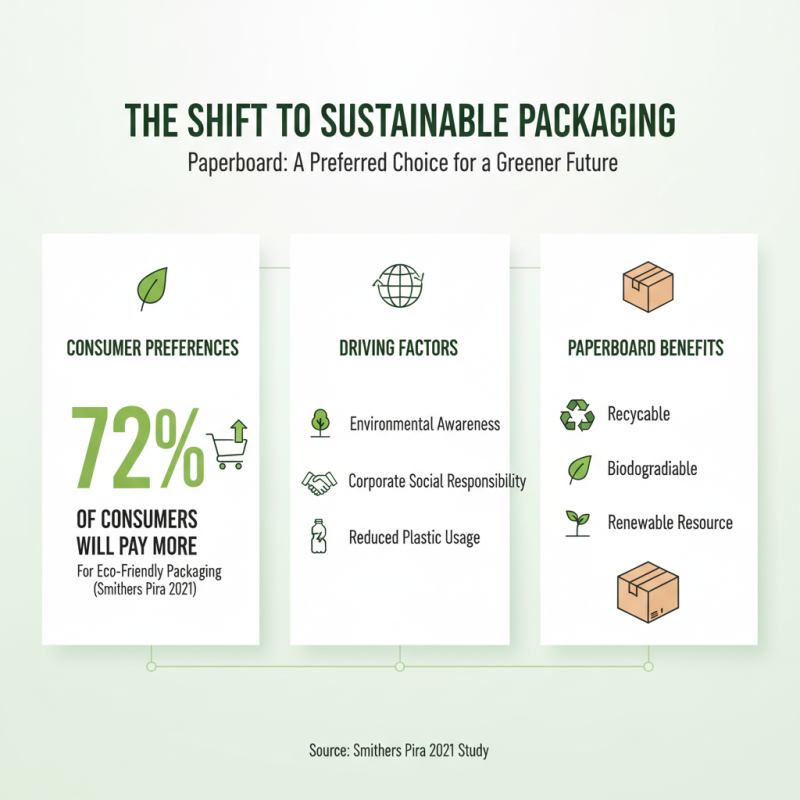
In recent years, consumer preferences have increasingly shifted towards sustainable packaging solutions, with paperboard leading the charge as a favorable option. According to a 2021 study by Smithers Pira, 72% of consumers are willing to pay more for products that come in environmentally friendly packaging. This trend is driven by heightened awareness of environmental issues and a desire for brands to demonstrate corporate social responsibility. Paperboard packaging is often perceived as a sustainable alternative to plastic, as it is recyclable, biodegradable, and made from renewable resources.
Moreover, paperboard's design versatility plays a significant role in influencing buying decisions. Research conducted by Nielsen indicates that well-designed packaging can improve first impressions and increase product sales by up to 30%. Consumers are attracted to packaging that not only showcases the product effectively but also aligns with their values and lifestyle choices. Aesthetic appeal, ease of handling, and functionality are crucial factors that consumers consider, making paperboard an optimal choice for various products, from food items to cosmetics. As trends continue to evolve, businesses that prioritize paperboard packaging may gain a competitive advantage by catering to the growing demand for sustainable and visually appealing options.