How to Choose the Best Pressure Sensitive Labels for Your Needs
In the fast-evolving landscape of packaging and labeling, the selection of the appropriate pressure sensitive labels is crucial for businesses aiming to enhance brand visibility and ensure product integrity. According to a report by Smithers Pira, the global demand for pressure sensitive labels is projected to reach approximately $55 billion by 2025, reflecting a compound annual growth rate of 4.5%. This growth underscores the importance for companies to make informed decisions when choosing labels that not only meet regulatory requirements but also resonate with their marketing strategies.
Industry expert Dr. Emily Johnson, a renowned figure in packaging technology, emphasizes, "The right pressure sensitive labels can significantly impact consumer perception and product success." As businesses navigate the myriad of options available, understanding the key features, materials, and adhesives of pressure sensitive labels becomes paramount. This introductory guide aims to equip readers with knowledge and insights necessary for selecting the best labels suited to their specific needs, ultimately driving both customer satisfaction and operational efficiency.

Factors to Consider When Choosing Pressure Sensitive Labels
When selecting pressure sensitive labels, it is crucial to consider several key factors to ensure they meet your specific needs. First, evaluate the label material and adhesive type. Different applications may require diverse materials, such as paper, vinyl, or polyester, each offering varying levels of durability and resistance to environmental factors. Additionally, the adhesive must be aligned with the intended surface—whether it’s for glass, plastic, or metal—to ensure proper adhesion and longevity.
Another important aspect to consider is the label size and design. Tailoring the label dimensions to fit your product effectively not only enhances aesthetics but also ensures compliance with relevant regulations, such as safety information or ingredient listings. Furthermore, think about the printing method you plan to use; some labels are better suited for digital printing while others perform well with flexographic techniques. By considering these elements, you can optimize the functionality and appearance of your pressure sensitive labels for your unique applications.
Types of Pressure Sensitive Labels and Their Uses
Pressure sensitive labels (PSLs) are widely used across various industries due to their versatility and ease of application. Understanding the different types of PSLs available can help businesses select the best option for their specific needs. The primary categories include paper labels, film labels, and specialty labels, each serving distinct purposes.
Paper labels are known for their cost-effectiveness and are commonly used for product labeling and promotions. According to a recent report by the PSTC, around 50% of label production is attributed to paper materials due to their printability and adaptability. These labels excel in environments where aesthetics are important, such as retail packaging, but might not hold up well under moisture or extreme temperatures.
Film labels, on the other hand, are designed for more demanding applications. Made from materials like polyethylene and polypropylene, these labels are resistant to water, chemicals, and UV light, making them ideal for products that require durability, such as cosmetics and household chemicals. The same PSTC report notes that film labels accounted for about 30% of the market share, driven by the growing demand for long-lasting labels in various sectors.
Specialty labels include tamper-evident and biodegradable options, catering to specific industry needs, including security and environmental concerns. Such diversity in pressure sensitive label types allows businesses to make informed choices based on their operational requirements.
Evaluating Adhesive Strength for Specific Applications
When selecting pressure-sensitive labels for your specific applications, evaluating adhesive strength is crucial. Adhesive strength determines how well a label will adhere to surfaces under various conditions. For instance, some applications require labels to withstand varying temperatures or exposure to moisture, which necessitates a strong adhesive that can maintain its bond despite environmental challenges. Assessing the surface material where the label will be applied is essential, as different surfaces, such as plastic, metal, or glass, interact differently with adhesives.
Additionally, the nature of the application should influence your choice. If the labels are intended for short-term use, such as promotional stickers, a medium-strength adhesive may suffice. However, for long-lasting labeling, such as on packaging or products that will be exposed to harsh conditions, a high-tack adhesive is recommended. It is also important to consider whether the labels will be subjected to abrasion or chemical exposure, as these factors can affect the effectiveness of the adhesive over time. Ultimately, understanding the specific needs of your application will help you select labels with the appropriate adhesive strength to ensure optimal performance.
Evaluating Adhesive Strength of Pressure Sensitive Labels for Different Applications
Understanding Material Options for Pressure Sensitive Labels
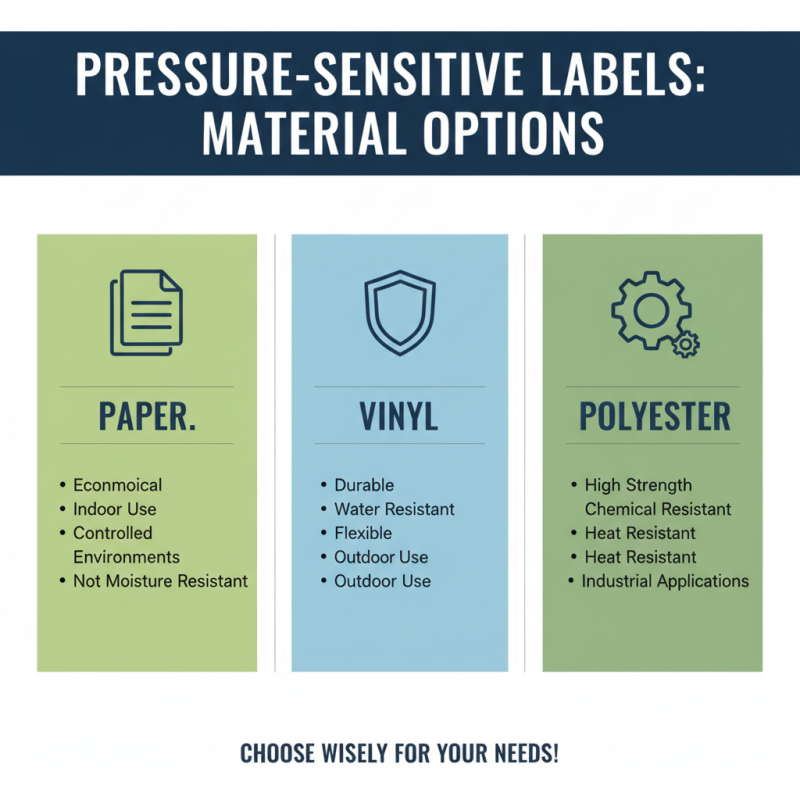
When selecting pressure sensitive labels, understanding the various material options available is crucial for ensuring that the labels meet your specific needs. Common materials include paper, vinyl, and polyester, each offering distinct characteristics suited for different applications. Paper labels are often economical and suitable for indoor use, making them ideal for products that will be sold in a controlled environment. However, they may not withstand moisture or rough handling, which can limit their usage.
Vinyl labels, on the other hand, are more durable and resistant to water, tearing, and UV exposure, making them suitable for outdoor applications. They can be printed in vibrant colors and can adhere well to a variety of surfaces, which enhances their versatility. Polyester labels provide an even more robust option, offering excellent durability and resistance to extreme temperatures, chemicals, and abrasions. This makes polyester an excellent choice for industrial applications or environments where the labels are subject to harsh conditions. By carefully considering the material properties and the environment in which the labels will be used, you can select the most appropriate pressure sensitive labels for your needs.
Design and Customization Considerations for Labels
When it comes to designing pressure-sensitive labels, customization plays a pivotal role in ensuring that the final product meets the specific needs of your brand. Start by considering the shape and size of your labels, as these factors will directly influence their visibility and functionality. Whether you opt for die-cut shapes or standard rectangles, the design should align with your packaging and marketing strategy. Incorporating unique elements, such as rounded corners or custom cuts, can give your labels a distinctive look that sets them apart on the shelf.
Color and material selection are also critical components of label design. Choose colors that resonate with your brand identity and create an emotional connection with your target audience. Additionally, consider the materials available for your labels—whether that's matte, glossy, or transparent finishes—each option can communicate different messages about your product. Moreover, think about environmental considerations; using recyclable or biodegradable materials can enhance your brand's appeal to eco-conscious consumers. Ultimately, effective design and customization of pressure-sensitive labels should not only attract attention but also reinforce the quality and values of your product.