How to Choose the Best Shop Packaging for Your Business?
In today's competitive market, choosing the right shop packaging is crucial for business success. According to the 2023 Packaging Industry Report, 72% of consumers consider packaging design when making a purchase. Effective shop packaging not only attracts customers but also enhances brand perception. Businesses often underestimate the impact of packaging on customer loyalty.
The right materials can protect products and reduce returns. A survey by the Packaging Association indicates that 65% of customers are more likely to purchase from brands that use sustainable packaging. However, many businesses still default to traditional options, missing opportunities for differentiation.
Shop packaging should reflect your brand’s values and appeal to your target audience. It can be a balance of cost, sustainability, and design. Businesses may need to reassess their choices regularly. As consumer preferences evolve, staying updated on packaging trends is essential.
Understanding Your Packaging Needs for Different Products
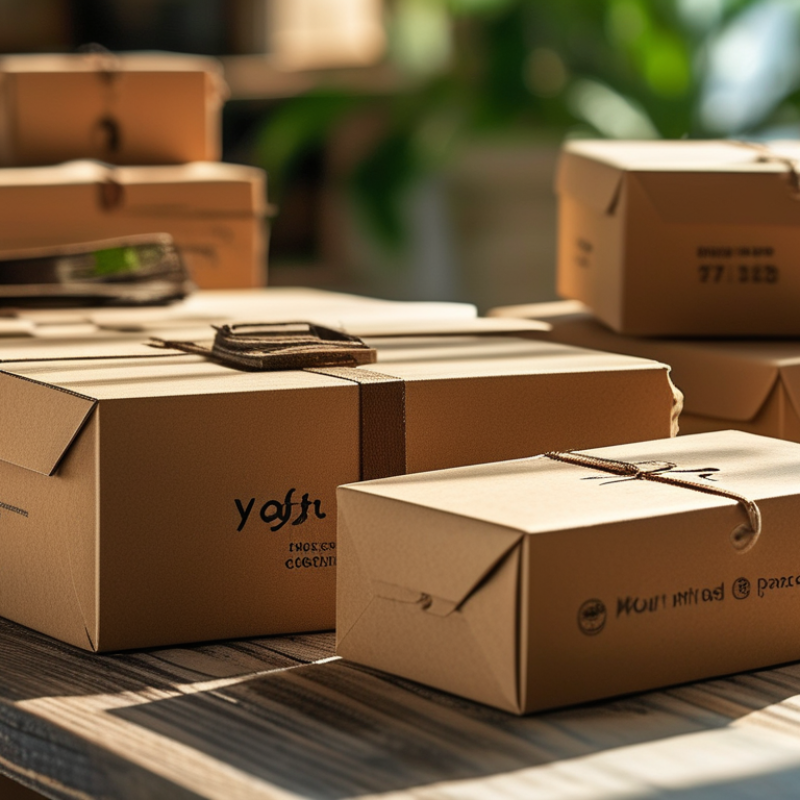
When selecting packaging, consider the nature of your products. Different items require different approaches. For fragile goods, cushioning is essential. Think bubble wrap or foam inserts. For food items, compliance with safety standards is critical. Choose materials that preserve freshness and safety. Always read labels and verify material sources.
Tips: Know your product’s dimensions. Measure twice to avoid sizing issues. Test packaging durability before full orders. Insufficient protection can lead to damage and loss.
Colors and designs matter, too. They create first impressions. Use colors that align with your brand. Design should communicate product purpose. Loosely structured designs can create a relaxed feel, while sleek lines might convey professionalism. Remember, not every design will resonate. Feedback is crucial.
Tips: Conduct surveys for design effectiveness. Small focus groups can offer valuable insights. Be open to criticism; it leads to improvement. An adaptable approach can help refine your packaging choices over time.
Evaluating Materials: Sustainability vs. Cost-Effectiveness
When selecting packaging materials, sustainability and cost-effectiveness often clash. Many businesses rush to minimize costs, leading to poor choices. It's crucial to evaluate your options carefully. Sustainable materials like biodegradable plastics or recycled paper can be more expensive, but they benefit the environment and your brand's image. Companies must ask: "Can we justify the expense?"
Cost-effectiveness comes in many forms. Cheaper materials might seem appealing initially, yet hidden costs emerge later. For example, low-quality packaging could damage products, resulting in returns and loss of customer trust. Examining durability helps to strike a balance.
Customers today prioritize sustainability. They may pay more for eco-friendly products. Consider how your packaging choices reflect your brand values. Failing to align with these values can alienate potential customers. Ethical packaging practices aren't just a trend; they are becoming a necessity. Companies must adapt or risk being left behind.
Design Considerations: Branding and Customer Experience
Choosing the right shop packaging involves careful consideration of branding and customer experience. Research shows that effective packaging can increase sales by up to 30%. This statistic highlights the pivotal role packaging plays in influencing consumer decisions. A well-designed package not only attracts attention but also conveys the brand's values and ethos.
Color choices and typography are fundamental in packaging design. For instance, 93% of consumer judgment is based on visual perception. Selecting a color palette that resonates with your target market can enhance brand recognition. However, the challenge lies in balancing creativity with functionality. Excessively unique designs may lead to confusion or difficulty in using the product. It’s essential to reflect on how the packaging aligns with the brand's message while ensuring it meets practical needs.
Sustainability is increasingly important. Research indicates that 72% of consumers prefer brands that use eco-friendly packaging. However, while many businesses strive for sustainable options, they must also consider the cost and availability of these materials. Packaging should provide protection without compromising environmental values. This ongoing tension requires continuous evaluation and innovation to meet consumer expectations while maintaining brand integrity.
Compliance and Regulations in Packaging Selection
When selecting packaging for your business, compliance with regulations is crucial. Different industries have specific standards for materials, labeling, and safety. Understanding these rules can save you from costly fines and product recalls. Non-compliance can damage your brand reputation too. Each region may have different regulations, so research is vital for local and international markets.
Tips:
Always check local regulations. This ensures your packaging meets all legal requirements. Staying informed about changes in laws is essential as well. Consider consulting with a packaging expert or legal advisor.
Focus on sustainability.
Many consumers value eco-friendly packaging options. Switching to biodegradable or recyclable materials can meet consumer demand while adhering to regulations. However, ensure these materials still protect your product effectively. Sometimes, eco-friendly options may not offer the best protection, leading to damage. Test various materials to find the right balance.
Remember, compliance is not just a checkbox.
It's about building a trustworthy brand. Failure to comply can lead to negative consequences. Reflect on your packaging choices regularly. Evaluate if they align with both regulatory standards and consumer expectations. Always aim for continuous improvement in your packaging strategy.
Cost Analysis and Budgeting for Packaging Solutions
When considering packaging for your business, cost plays a crucial role. An effective budget analysis ensures you choose materials that align with your financial capabilities. Start by identifying your packaging needs. Are you shipping fragile items or bulk products? Consider the protection level required. This determination influences your choice and affects overall costs.
Evaluate various materials available in the market. Cardboard, plastic, and eco-friendly options all differ in price and functionality. Remember that cheaper materials can sometimes compromise quality. Research shows that investing in durable packaging can reduce returns due to damages. Thus, a balance between cost and quality is essential for long-term savings.
Analyze hidden costs as well. Shipping fees can increase based on packaging dimensions. Packing supplies and labor also contribute to expenses. Tracking these details can prevent overspending. Finally, monitor expenses regularly. Adjust your budget based on sales and packaging performance. Being proactive can lead to informed decisions and improved packaging strategies.
Cost Analysis of Different Shop Packaging Solutions