How to Choose the Right Pressure Sensitive Labels for Your Business Needs?
Choosing the right pressure sensitive labels for your business can be challenging. With various options available, it’s essential to understand your specific needs. These labels are crucial for branding and information. They come in different materials, adhesive types, and finishes, affecting their performance.
Consider the environments where your labels will be used. Will they face moisture or extreme temperatures? Each factor impacts how well the adhesive sticks over time. Additionally, think about your design preferences. Do you need vibrant colors or simple text? These choices influence how customers perceive your brand.
While it’s tempting to opt for cheaper solutions, low-quality labels might not last long. Reflect on the potential cost of replacing labels frequently. You might spend more in the long run. Ultimately, careful evaluation of your requirements will lead to better choices in pressure sensitive labels. Finding the right balance between quality and cost is crucial for maximized business impact.

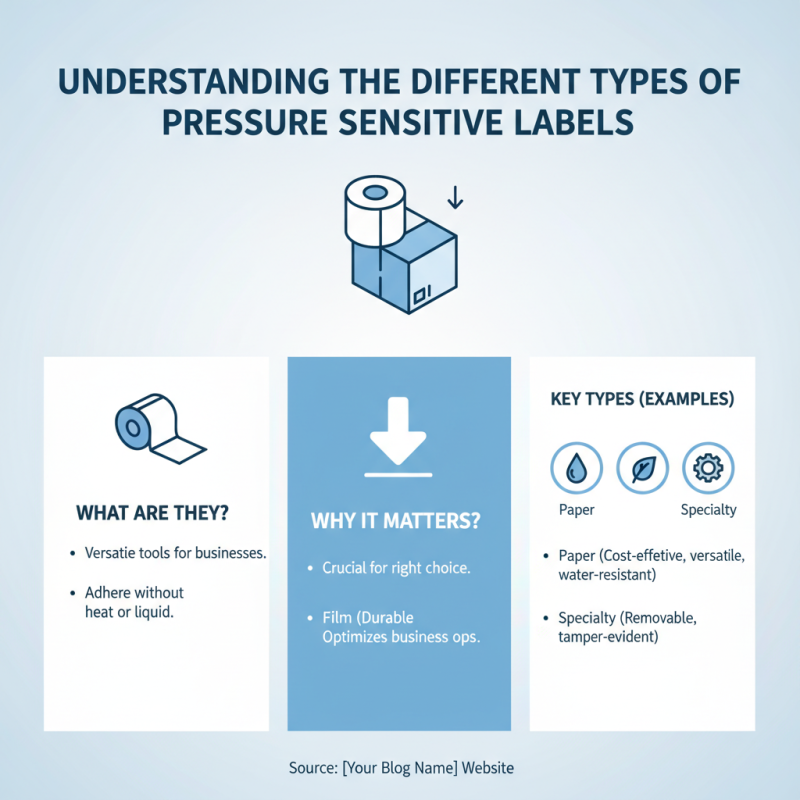
Understanding the Different Types of Pressure Sensitive Labels
Pressure sensitive labels are versatile tools for businesses. These labels adhere to surfaces without the need for heat or liquid. Understanding their various types is crucial for making the right choice.
There are several categories of pressure sensitive labels. For instance, you can find permanent labels that last a long time. Then there are removable labels that can be peeled off easily. These may leave residue, so think carefully about your application. Another option is the repositionable label, which allows adjustment before final placement.
Choosing a type means considering your specific needs. Will the label be exposed to moisture or chemicals? Does it need to withstand extreme temperatures? Sometimes, labels fail to stick properly due to surface texture. Reflect on these factors to ensure your labels serve their intended purpose. The right label can enhance your branding and functionality.
Evaluating Material Options for Pressure Sensitive Labels
When selecting pressure sensitive labels, evaluating material options is crucial. Different materials offer unique properties that can affect performance and durability. For instance, vinyl labels are known for their flexibility and weather resistance. They work well for outdoor products. However, vinyl can be costlier than other options.
Paper labels present another choice. They are often less expensive and ideal for indoor use. However, their durability can be a concern. If exposed to moisture, they may smudge or tear easily. Businesses should consider their specific environment and application needs when choosing between these materials.
Another aspect to consider is adhesive type. Permanent adhesives provide strong bonding, while removable options allow for easy label adjustments. Choosing the wrong adhesive can lead to frustrating experiences, such as labels that fall off or damage the surface they're applied to. Testing different materials and adhesives beforehand can prevent costly mistakes.
Identifying Your Business Requirements for Label Application
When selecting pressure-sensitive labels, understanding your business needs is crucial. Consider factors like application surface, temperature exposure, and environmental conditions. For instance, labels intended for refrigerated items must adhere strongly in low temperatures. If you don’t account for these factors, labels might peel off or become unreadable, disrupting your operations.
Additionally, the label's intended lifespan is vital. Some businesses require short-term labels for promotions, while others may need long-lasting options for tracking. Evaluate the durability of materials. Are they resistant to moisture or chemicals? Without this assessment, you might end up with labels that don't last.
Think about the design too. Will your labels convey the right message? If they look unprofessional or confuse customers, it might hurt your brand. Collect feedback on mock-ups to see if they resonate. Ignoring this step can lead to wasted resources. Your labels should serve their purpose effectively, enhancing your business’s efficiency and image.
How to Choose the Right Pressure Sensitive Labels for Your Business Needs
Assessing Adhesive Characteristics for Optimal Performance
When choosing pressure sensitive labels, understanding adhesive characteristics is crucial. The adhesive is what allows the label to stick effectively. A report from the Pressure Sensitive Tape Council indicates that over 40% of labeling failures are due to inadequate adhesive performance. This highlights the importance of selecting the right adhesive for your specific application.
Various factors influence adhesive performance. For instance, temperature fluctuations can affect adhesion. An adhesive that works well in a controlled environment may fail in extreme conditions. Additionally, surface texture plays a role. Smooth surfaces and rough surfaces interact differently with adhesives. This means you may need different labels for different surfaces within a single product range.
Testing is essential. Many businesses overlook this, only to face issues later. It's wise to conduct peel tests and shear tests to evaluate adhesion before full-scale production. Remember, not all adhesives are created equal. A recent industry survey noted that 30% of businesses had to redesign their labels after realizing their adhesive wasn’t suited for their needs. Consider what works best for your product and environment to avoid costly mistakes.
Choosing the Right Printing Methods for Pressure Sensitive Labels
Choosing the right printing method is crucial for producing effective pressure sensitive labels. Different methods can significantly impact label quality, durability, and cost. For example, digital printing is becoming popular. According to a recent report from Smithers Pira, digital label printing is expected to grow at a CAGR of over 10% until 2025. This trend indicates a shift towards short runs and personalized labels.
Flexographic printing is another common option. It excels in high-volume production. However, the setup time can be lengthy, which might not justify costs for smaller batches. A study revealed that up to 75% of businesses face challenges in selecting the optimal printing method. This highlights the need for careful evaluation.
When choosing a method, consider the material and adhesive needs. Some methods may not work well on all materials, affecting adhesion and appearance. If tested poorly, labels might peel off or fade quickly. Inadequate testing can lead to financial losses. A balanced approach takes time, but it ensures the end product meets specific needs and customer expectations.