How to Choose the Right Film Packaging for Your Products?
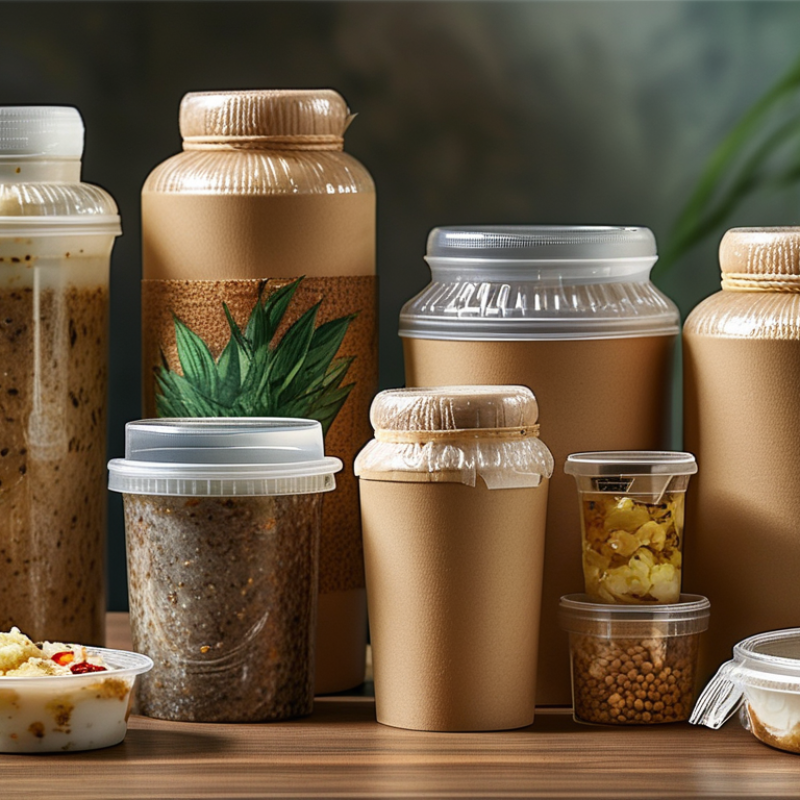
Selecting the right film packaging for your products is crucial. It's not just about protection; it's about presentation too. The right packaging can enhance your brand's image and engage customers effectively.
Understanding different types of film packaging is essential. For example, polyethylene offers durability, while biodegradable options are eco-friendly. Each choice has its pros and cons. Balancing aesthetics, functionality, and sustainability requires careful thought.
Consider your product's specific needs. Is it fragile? Will it need refrigeration? Mistakes in packaging can lead to product damage or customer dissatisfaction. Take time to evaluate options. Engaging with packaging experts can bring valuable insights. Ultimately, the right film packaging is a blend of experience and careful consideration.
Understanding the Role of Film Packaging in Product Protection
Understanding the role of film packaging in product protection is essential for manufacturers. According to the Flexible Packaging Association, flexible packaging can reduce product waste by an average of 30%. This is crucial in maintaining product integrity, especially for perishable goods. Film packaging provides barriers against moisture, oxygen, and light, which can significantly affect product shelf life.
When selecting film packaging, it’s important to consider the material's properties. For instance, polyethylene offers versatility and cost-effectiveness but may not provide the same level of protection as polyamide. A report by Smithers Pira indicates that up to 25% of products are damaged during transport due to inadequate packaging. This statistic illustrates the importance of choosing the right film to mitigate risks.
Packaging design also matters. It needs to be user-friendly while ensuring stability. A well-designed package can improve the unboxing experience. However, flaws in design can lead to customer dissatisfaction. Continuous feedback from consumers helps in refining packaging methods. The goal should be to strike a balance between protection, cost, and sustainability.
How to Choose the Right Film Packaging for Your Products? - Understanding the Role of Film Packaging in Product Protection
| Film Type |
Benefits |
Applications |
Environmental Impact |
| Polyethylene (PE) |
Flexible, moisture-resistant, cost-effective |
Food packaging, industrial products |
Recyclable, low impact if recycled |
| Polypropylene (PP) |
High clarity, excellent barrier properties |
Packaging for cosmetics, pharmaceuticals |
Recyclable, moderate environmental impact |
| Polyvinyl Chloride (PVC) |
Strong, durable, good sealability |
Shrink wrap for retail packs, heavy-duty products |
Difficult to recycle, higher environmental concerns |
| Biodegradable Films |
Eco-friendly, compostable options |
Organic food packaging, environmentally conscious products |
Low environmental impact, fully compostable |
| Barrier Films |
Excellent protection against gases/water |
Perishable food items, sensitive electronics |
Recyclability varies, specific recycling may be needed |
Evaluating Different Types of Film Packaging Materials Available
When choosing film packaging materials, consider the products you're wrapping. Different materials offer unique benefits. For instance, polyethylene is sturdy and cost-effective. It’s great for moisture resistance. Polypropylene, on the other hand, provides clarity, enhancing product visibility. However, it may lack the durability needed for heavier items.
Sustainability is another critical factor. Biodegradable films are gaining traction. They break down more easily than traditional plastics. Still, they can be more expensive and may not offer the same protective features. Think about the environmental impact while balancing cost and functionality. The choice of packaging can affect your brand’s image and consumer perception.
Testing is important. Use small batches to evaluate how well your chosen material performs. Consider strength, appearance, and user experience. Monitor customer feedback on packaging ease. Drawbacks may arise that you hadn’t initially considered. Packaging should protect products while ensuring consumers enjoy the unboxing experience.
Assessing Sustainability Options in Film Packaging Choices
Choosing the right film packaging requires careful consideration, especially regarding sustainability. The flexible packaging market is expected to reach $300 billion by 2025, highlighting its growing importance. However, not all film packaging options are created equal. It's vital to assess their environmental impacts.
Biodegradable films, for instance, can reduce landfill waste significantly. Data shows that only 9% of plastic waste is recycled globally. Adopting films made from renewable resources helps lower carbon footprints. However, some biodegradable options still require industrial composting facilities, which may not be available everywhere.
Tips: Prioritize films with certifications like ASTM D6400. These ensure that materials can break down effectively. Consider using films that combine recyclability and functionality. For example, mono-material films often have better recycling rates than multi-layer alternatives.
Evaluate your suppliers’ sustainability practices. Transparency in sourcing and production can also indicate reliability. Practices like reduced water usage and energy-efficient processes contribute to greener packaging choices. Continuous improvement is essential as the industry evolves. Keeping up with innovations in materials can enhance sustainability efforts.
Analyzing Cost-Effectiveness of Film Packaging Solutions
When considering film packaging, cost-effectiveness is paramount. A report by Smithers Pira reveals that flexible packaging can reduce costs by up to 30% compared to traditional materials. This is crucial for businesses seeking to maintain margins. Additionally, the lightweight nature of film packaging reduces shipping costs significantly. For instance, manufacturers can save an estimated 6% on freight costs alone.
Evaluating the total cost includes production, logistics, and waste management. Some films are recyclable, which can lower disposal costs. Research from the Flexible Packaging Association shows that almost 70% of consumers prefer sustainable packaging. Aligning with these preferences can enhance brand loyalty, leading to long-term savings. However, balancing durability and cost can be challenging. Companies must assess whether a cheaper option sacrifices quality.
Investing in advanced film technologies may seem costly upfront. Yet, these innovations often result in major savings over time. Businesses should analyze their production cycles and product types to find optimal solutions. Film packaging's ability to provide barrier protection affects shelf life. Extensions in shelf life minimize waste, thereby improving overall profitability. Balancing cost and functionality requires careful consideration and ongoing assessment.
Identifying Industry Standards and Regulations for Film Packaging
When selecting the right film packaging, it's vital to understand the industry standards and regulations. Different sectors have specific compliance requirements. For instance, food packaging must meet safety standards to ensure consumer protection. Understanding these guidelines helps prevent costly mistakes.
Regulations vary by region and product type. The FDA and other organizations set rules for materials used in packaging. These rules dictate what is acceptable for food contact and ensure that volatile components don't leach into products. Familiarity with these regulations can seem daunting. However, educating yourself on common requirements can save time and resources.
Additionally, companies should consider sustainability. Many regulations now promote eco-friendly materials. Balancing compliance with sustainability can be tricky. It requires ongoing research and adaptation to new standards. Regularly reviewing industry changes is necessary to stay compliant while progressing toward environmental goals.
Market Demand for Different Types of Film Packaging
This chart represents the market demand in millions for various types of film packaging materials. Understanding these demands can help businesses choose the right packaging solutions more effectively.