How to Choose the Right Paperboard Packaging for Your Products?
In recent years, the demand for sustainable packaging solutions has surged. The global paperboard packaging market is projected to reach $300 billion by 2025. This growth reflects consumers’ increasing preference for eco-friendly materials. Paperboard packaging has emerged as a preferred choice due to its recyclability and biodegradable properties. Companies are shifting to this material, enhancing brand value while reducing environmental impact.
Selecting the right paperboard packaging can be a complex task. Factors like product type, weight, and shelf life significantly influence choices. Studies suggest that 70% of consumers are willing to pay more for products in sustainable packages. This statistic underscores the importance of aligning packaging options with consumer expectations. However, many businesses still struggle to find an optimal balance between cost, functionality, and sustainability.
Navigating the paperboard packaging landscape is not without challenges. There are varying qualities and thicknesses to consider, which can affect product protection and shelf appeal. Additionally, companies must evaluate the trade-offs between cost efficiency and environmental responsibility. Reflecting on these factors ensures a well-rounded approach to selecting packaging that resonates with consumers and stands out on the shelf.
Understanding Different Types of Paperboard Packaging Available
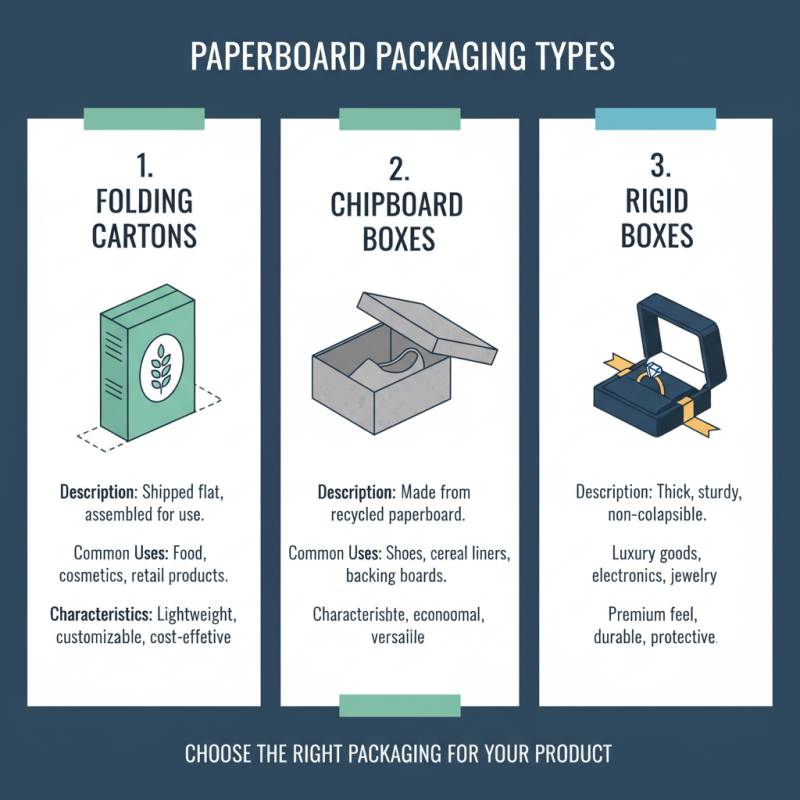
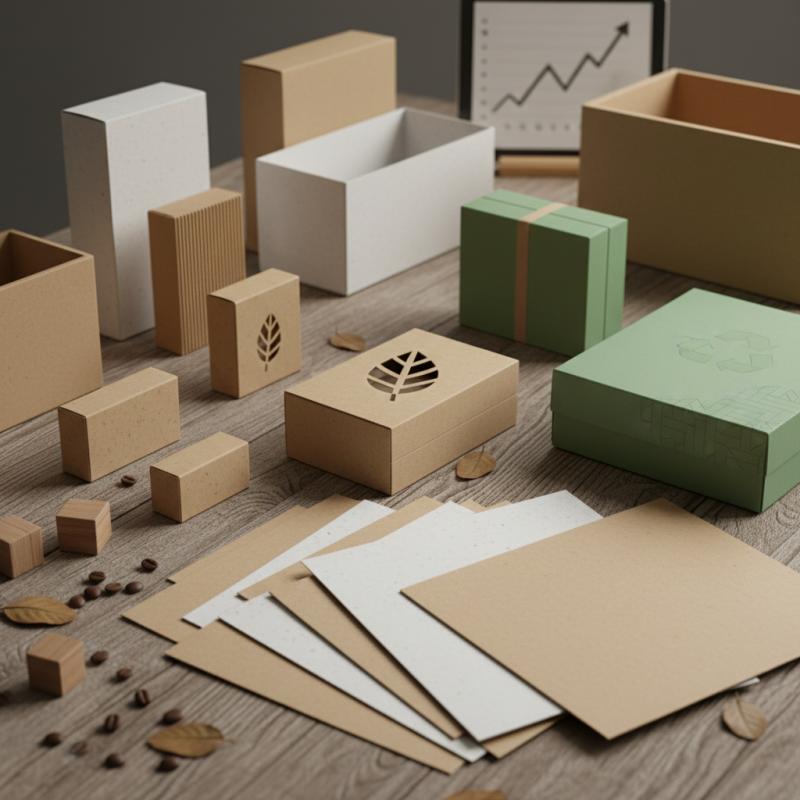
When choosing paperboard packaging, understanding the different types is crucial. There are several options available, each with unique characteristics. Common types include folding cartons, chipboard boxes, and rigid boxes. Each type suits different products and purposes.
Folding cartons are versatile and cost-effective. They are lightweight yet sturdy, ideal for retail items. Chipboard boxes offer a more economical choice, great for shipping and storage. Rigid boxes exude luxury and protection, often used for high-end products.
**Tips:** Consider the product's weight and fragility when selecting packaging. For heavy items, opt for more robust designs. Think about branding—your packaging reflects your product. Don't overlook sustainability; recycled materials can elevate your brand image.
Packaging should also be user-friendly. Customers appreciate easy-to-open designs. It's essential to balance aesthetics with functionality. Some designs may look good but lack practicality. Always seek feedback on your choices; it can lead to improvements.
Evaluating Product Requirements for Optimal Packaging Choices
Choosing the right paperboard packaging begins with assessing product requirements. Consider the size and weight of your items. For fragile products, thicker paperboard may be necessary to prevent damage. Conversely, lighter items might benefit from thinner, more cost-effective materials.
Evaluate the environmental impact as well. Sustainable packaging is becoming increasingly important. Many consumers prefer recyclable or biodegradable options. Think about how your choice affects the planet. Reflect on the lifecycle of the packaging. Is it easily disposable? This can influence purchasing decisions.
Another aspect to consider is aesthetics. The visual appeal of your packaging matters. It should align with your brand image. Brightly colored or uniquely designed boxes can attract customers. However, ensure that the look does not compromise functionality. It’s a balance that requires thoughtful consideration. Regularly review your packaging choices and be open to changes. Adaptation is key in a rapidly evolving market.
Considering Environmental Impact and Sustainability of Materials
Choosing paperboard packaging involves considering its environmental impact. Many materials on the market are not sustainable. They contribute to waste and pollution. It’s essential to look for eco-friendly options. Recycled paperboard can be a great choice. It reduces the need for new raw materials. Look for certifications that indicate sustainability.
Sustainability should be a priority in your decision-making process. However, not all "green" materials perform well. Some eco-friendly options may lack durability. Test samples to see how they hold up. The thickness and type of paperboard can affect performance. Balance sustainability with product protection. You might need to reflect on what matters most.
In the end, making these choices is complex. What's sustainable today may not be tomorrow. Stay informed about material innovations. Regularly review your packaging strategies. Make adjustments as needed. This ongoing evaluation can help minimize your environmental footprint.
How to Choose the Right Paperboard Packaging for Your Products? - Considering Environmental Impact and Sustainability of Materials
| Packaging Type |
Material |
Recyclability |
Sustainability Rating |
Typical Use Cases |
| Folding Cartons |
SBS (Solid Bleached Sulfate) |
Yes |
A |
Food, cosmetics, and retail products |
| Paperboard Boxes |
Coated Recycled Board |
Yes |
B |
Electronics, toys, and home goods |
| Rigid Boxes |
Gray Chipboard |
Yes |
B+ |
Luxury goods, jewelry, and gifts |
| Bag-in-Box |
Composite Materials |
Limited |
C |
Beverages and liquid products |
| Sleeves |
Kraft Paper |
Yes |
A+ |
Bottles and cans |
Assessing Cost Factors in Paperboard Packaging Selection
Cost is a critical factor when selecting paperboard packaging. Material choices impact pricing significantly. According to a 2021 report by Smithers Pira, the global market for paperboard packaging is expected to reach $300 billion by 2024. This growth highlights the competition among manufacturers, which can drive prices down. But costs also vary by type. For example, coated paperboard tends to be pricier due to its finish and moisture resistance, while uncoated options offer budget-friendly alternatives.
When assessing cost factors, consider not only material but also design aspects. Complex shapes and custom prints increase manufacturing expenses. Also, sustainable options might come with a higher initial cost. Still, reports indicate these choices can attract eco-conscious consumers. A study found that 72% of buyers prefer products in environmentally friendly packaging. Short-term costs must be weighed against long-term benefits. Yet, sometimes businesses overlook total cost of ownership in favor of initial savings. This can lead to underestimating future costs associated with product returns or damaged goods.
Packaging decisions should also factor in logistics. Heavier paperboard increases shipping costs. Streamlined designs can minimize weight and save on transport expenses. In a competitive market, balancing cost and quality is not just ideal; it is essential for profitability. Ignoring this can lead to wasted resources and missed opportunities.
Exploring Design and Customization Options for Branding Needs
Choosing the right paperboard packaging goes beyond functionality; it's a chance to showcase your brand. Customization is key. Consider unique shapes, colors, and finishes that reflect your product’s identity. A vibrant color palette can grab attention. Matte or glossy finishes may affect how consumers perceive quality. Thoughtful design can elevate customer experience.
Don't overlook the importance of size and structure. The fit should minimize movement but not suffocate the product. Uncomfortable packaging can lead to negative impressions. Reflect on your audience's preferences. What attracts them? Sometimes, simplicity wins. A clean design might resonate more than intricate graphics.
Test different designs. Gather feedback to refine your choices. Understand that not every idea will work out. Embrace the process of trial and error. Packaging isn't just a shell; it’s a vital part of your marketing strategy. Explore various options and learn from the results.