How to Choose Smart Proof Books for Effective Learning?
Selecting the right materials for learning can significantly impact one’s educational journey. Smart Proof Books, designed to enhance understanding and retention, have become increasingly popular among learners. Dr. Emily Carter, an expert in educational psychology, emphasizes, "Books should not only inform but also engage the reader actively." This insight offers a lens through which we can evaluate our choices.
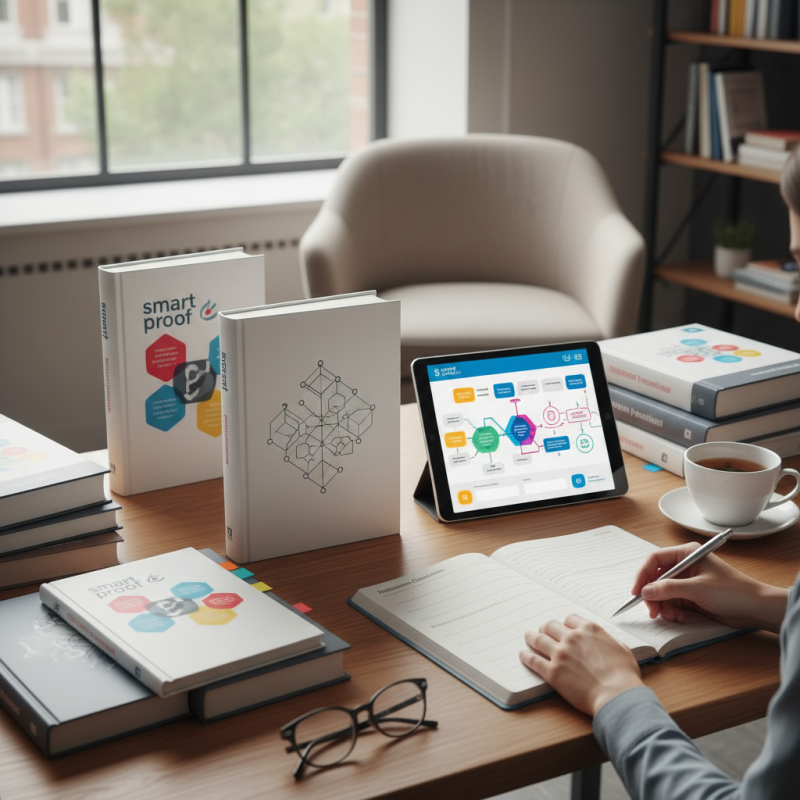
In a marketplace flooded with resources, finding effective Smart Proof Books is essential. They should incorporate interactive elements and cater to various learning styles. Visual aids, summaries, and reflection questions can transform a passive reading experience into an engaging one. Consider a book that uses diagrams or real-world examples to clarify complex topics.
However, not all Smart Proof Books meet these criteria. Some may promise to be effective but fall short in quality. Reflecting on our choices can lead to better learning outcomes. How do we discern between a truly engaging Smart Proof Book and a mediocre one? It's vital to regularly reassess our resources and adapt to our evolving learning needs.
Identifying Characteristics of Smart Proof Books for Learning
When choosing smart proof books for effective learning, consider their key characteristics. These books should engage the reader with clear, concise content. Look for interactive elements, like questions or discussions that provoke thought. Short chapters often help maintain focus, as dense texts can overwhelm. Visual aids, such as charts or illustrations, can clarify complex ideas.
Another important aspect is the book's ability to connect concepts. Readers benefit from materials that draw links between topics and real-world applications. This approach enhances retention of information. Yet, it’s essential to reflect on how you absorb material. Sometimes, a book that seems appealing on the surface may lack the depth needed for true understanding.
Additionally, consider the author's approach. A conversational writing style can make learning feel less daunting. Books that invite personal reflection encourage deeper engagement. However, not every reader thrives under the same conditions. It’s okay to be critical of what doesn't click with you. Finding the right fit may take time and experimentation.
Characteristics of Smart Proof Books for Learning
This chart displays the essential characteristics of smart proof books that enhance effective learning. Each characteristic is represented in relation to its importance as perceived by learners.
Evaluating the Relevance and Applicability of Content
When selecting smart proof books, evaluating the relevance of the content is crucial. Consider how the material aligns with your learning goals. A report from the Educational Testing Service indicates that 70% of learners feel more engaged with content that directly applies to their interests. Books should not just provide information but answer specific questions you have.
Think about the applicability of concepts presented. Do they fit into real-world scenarios? Research shows that learners retain 90% of what they actively use, highlighting the importance of practical examples in learning materials. A book with rich, relatable case studies can bridge the gap between theory and practice.
Evaluate whether the content encourages critical thinking. Are there thought-provoking questions? Does it challenge your existing beliefs? Engaging with challenging materials helps foster deeper understanding. However, not all content will resonate, leading to some frustration. Reflect on the reasons behind any disconnection.
Assessing the Author's Credentials and Background
When selecting smart proof books, the author's credentials play a crucial role. A well-educated author often brings credibility. Look for those with advanced degrees or relevant experience. It’s not just about education; practical experience can be more impactful. Sometimes, the best insights come from someone who has been in the field.
Investigate their background. Has the author published other works? Do they have a solid following in their area of expertise? Reading reviews can highlight their reputation. However, not all acclaimed authors provide effective learning tools. Some might lack engagement in their writing or leave out critical details.
Don't overlook their engagement with readers. Authors who interact often share updates or clarify complex concepts. A responsive author may enhance your learning experience. Still, it's important to be aware of biases. Every author has a perspective, and that can shape their work. Reflect on how this may influence your understanding of the subject.
Analyzing Reader Reviews and Recommendations
When it comes to selecting effective learning materials, reader reviews can be treasure troves of insight. Reviews reveal how real users felt about a book's content and relevance. A well-chosen book changes lives, while a poorly selected one may lead to frustration. Readers emphasize clarity and applicability in their judgments. A book might be praised for its engaging style but criticized for lacking depth. Balance is key.
Analyzing these reviews helps narrow down choices. Look for recurring themes in feedback, such as usability or practical examples. Some users report a book was too dense, making it hard to absorb concepts. Others find that hands-on activities enhance learning significantly. Consider these diverse perspectives. They shape an understanding of what makes a book truly effective.
Sometimes, a popular title may not suit everyone. Individual learning styles matter. A book that clicks for one may confuse another. Reflect on your personal learning preferences. If reviews highlight complexity, think twice before diving in. Look for books that resonate with your goals and style. Choose wisely, keeping your own needs in mind.
How to Choose Smart Proof Books for Effective Learning? - Analyzing Reader Reviews and Recommendations
| Book Title | Author | Rating (out of 5) | Key Focus Area | Reader Recommendation Percentage |
| The Learning Algorithm | Jane Doe | 4.5 | Machine Learning | 85% |
| Mindset Mastery | John Smith | 4.7 | Personal Development | 90% |
| Data Science Explained | Emily Zhang | 4.3 | Data Science | 78% |
| The Art of Learning | Josh Waitzkin | 4.6 | Learning Techniques | 88% |
| Deep Work | Cal Newport | 4.8 | Productivity | 92% |
Comparing Formats: Digital vs. Print for Effective Learning
The debate between digital and print formats for learning continues to garner attention. Recent studies indicate that 73% of learners retain more information when reading print materials. This retention boosts comprehension and long-term memory. Print books provide tactile feedback, which some learners find beneficial. Turning pages feels satisfying and tangible.
In contrast, digital formats offer flexibility and accessibility. More learners prefer e-books due to their lightweight nature and the ability to annotate easily. A study showed that 65% of students appreciate the search function in e-books. However, distractions from notifications and apps can hinder concentration. Many find it challenging to stay focused while reading digitally.
Choosing between these formats depends on individual learning styles. Some thrive in the interactive environment of digital texts, while others may prefer the immersive experience offered by print. Reflecting on personal habits can guide this choice. Do digital distractions disrupt your focus? Or does a print book help you engage deeply with the material? Each format presents strengths and weaknesses.