How to Choose the Best Packaging for Our Products?
In today's competitive market, choosing the best packaging for our products is essential. A recent report from Smithers Pira indicates that the global packaging market is projected to reach $1 trillion by 2024. With consumers increasingly valuing sustainability, around 62% prefer brands with eco-friendly packaging. Therefore, our packaging must align with customer preferences while ensuring product safety.
Effective packaging serves multiple purposes. It protects goods, enhances brand visibility, and communicates important information. According to a study by Nielsen, 66% of consumers are willing to pay more for a product that focuses on sustainable packaging. However, not all packaging options are suitable for every product. Businesses frequently face challenges when selecting materials that preserve quality while reducing environmental impact.
Ultimately, the choices we make in our packaging reflect our brand values and commitment to quality. It can be hard to strike a balance between aesthetics and functionality. Reflecting on our decisions can lead to improvements, ensuring that our packaging meets both consumer expectations and sustainability goals.

Understanding the Importance of Packaging in Product Marketing
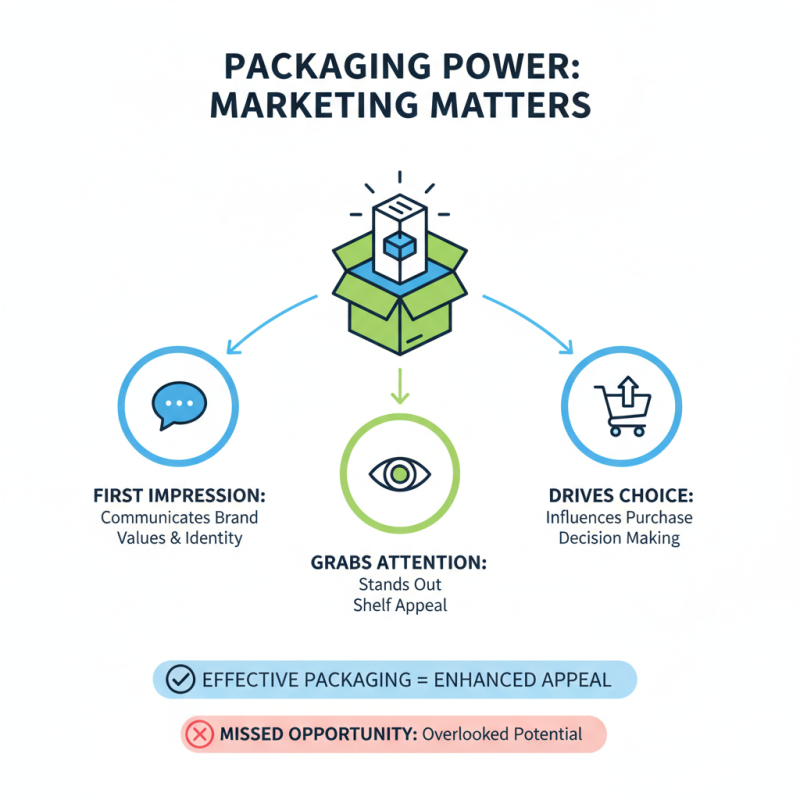
Packaging plays a crucial role in product marketing. It is often the first interaction customers have with a product. Effective packaging communicates brand values, captures attention, and influences purchasing decisions. When done right, it enhances the product’s appeal. However, some companies overlook this aspect, leading to missed opportunities.
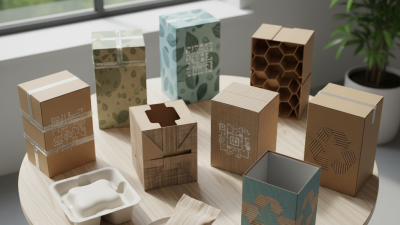
Materials and design are fundamental elements. Choosing eco-friendly materials can attract environmentally conscious consumers. However, elegant designs often come with higher costs. Striking a balance between cost, sustainability, and aesthetics is challenging. Packaging must also protect the product. If a product arrives damaged, customers are unlikely to repurchase. This inconsistency undermines brand credibility and trust.
Furthermore, packaging conveys information. Labels need to be clear and concise. Complicated designs may confuse customers rather than inform them. It’s essential to test various designs and gather feedback. This iterative process might reveal unexpected insights. A successful package not only looks good but also serves its purpose effectively. Brands should continually reassess their packaging strategies to stay relevant in a changing market.
Identifying Your Product's Unique Requirements for Packaging
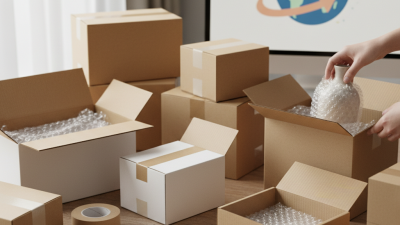
Identifying the unique requirements of a product is crucial when selecting packaging. Every product has distinct features that influence its packaging needs. For example, fragile items require cushioning materials like foam or bubble wrap. On the other hand, perishable goods often need temperature-controlled packaging to maintain freshness. Understanding these nuances helps in choosing suitable packaging solutions.
Additionally, consider the product's dimensions and weight. Bulky or heavy items may require sturdier packaging to prevent damage during transit. Products with sharp edges might need protective coverings to ensure safety. Assessing these factors allows businesses to avoid costly mistakes. A poorly chosen package can lead to product returns and dissatisfied customers.
Don’t overlook sustainability either. Consumers increasingly prefer eco-friendly packaging. Research different materials that align with your product while minimizing environmental impact. Balancing cost, functionality, and sustainability can be a challenge. Regularly re-evaluate your packaging choices to ensure they remain relevant as market demands change.
How to Choose the Best Packaging for Our Products? - Identifying Your Product's Unique Requirements for Packaging
| Product Type |
Packaging Material |
Size Dimensions (cm) |
Weight (g) |
Sustainability Rating |
Cost Estimate ($) |
| Beverage |
Glass Bottle |
15 x 5 |
300 |
High |
1.20 |
| Snack Food |
Plastic Pouch |
20 x 10 |
150 |
Medium |
0.80 |
| Cosmetic |
Cardboard Box |
10 x 7 x 4 |
200 |
High |
2.50 |
| Electronics |
Foam Insert and Box |
25 x 20 x 15 |
1200 |
Medium |
15.00 |
| Frozen food |
Thermoformed Tray |
30 x 15 x 5 |
500 |
Low |
1.50 |
Exploring Different Packaging Materials and Their Benefits
When selecting packaging materials, it's essential to consider the benefits and drawbacks of each type. Paper and cardboard are popular choices for their recyclability. They provide a lightweight option that can be easily printed on. However, they might not offer enough protection for fragile items. Metal containers are durable and provide excellent barrier properties. Yet, they can be heavier and more expensive than other materials.
Plastic packaging is versatile and can be molded into various shapes. It offers good protection against moisture and physical damage. Still, the environmental impact of plastics raises concerns. Companies must weigh these factors carefully. Glass packaging is eco-friendly and creates a premium feel. However, its fragility can lead to breakage during shipping.
Ultimately, the right packaging choice depends on the specific product. Companies need to balance cost, sustainability, and protection. It’s also vital to reflect on customer expectations and preferences. Using materials that align with brand values can enhance consumer trust. Engaging with customers can provide insight into their views on packaging. This feedback may guide future choices and improvements.
Packaging Materials and Their Benefits
This chart illustrates the benefits of different packaging materials on a scale of 1 to 10. Cardboard and glass score high due to their recyclability, while biodegradable materials score the highest for sustainability.
Evaluating Cost-Effectiveness and Sustainability in Packaging Choices
Choosing the right packaging for products is essential. Cost-effectiveness and sustainability play crucial roles in this decision. Many businesses want to save money while reducing their environmental impact. However, finding a balance between the two can be challenging.
Cost-effectiveness often leads companies to opt for cheaper materials. These materials may not be sustainable or environmentally friendly. In the long run, this choice can harm brand reputation. For instance, customers today are more conscious of their purchase decisions. They prefer brands that demonstrate environmental responsibility. If a product’s packaging harms the planet, consumers may look elsewhere.
On the other hand, investing in sustainable packaging can be a wise choice. Biodegradable or recyclable materials can attract eco-conscious customers. While these options may come with higher upfront costs, they can improve brand loyalty. However, not all businesses can afford these enhancements. Finding affordable sustainable options requires mindfulness and research. Making informed choices is crucial, but it is not without challenges. Balancing cost and sustainability demands careful thought and often leads to necessary reflection on priorities.
Designing Packaging That Enhances Brand Identity and User Experience
When designing packaging, brand identity plays a crucial role. It’s not just about aesthetics; it reflects values and mission. Using colors, typography, and imagery can effectively convey a brand’s personality. For example, eco-friendly packaging often uses earthy tones and simple designs. This choice signals commitment to sustainability. However, there is a fine line between creativity and overcomplication. Striking that balance is essential.
User experience is equally significant in packaging design. Easy-to-open packaging enhances customer satisfaction. Think about how frustrating it can be to wrestle with overly secure seals. Consider functional features like resealable closures. They add convenience. Yet, it's vital to ensure that these aspects align with the overall brand message. A luxurious product, for instance, might require more sophisticated packaging options. The wrong choice can confuse consumers.
Reflecting on user feedback is important. What do customers really think about the packaging? Regular surveys can provide insights into what works and what doesn’t. Learning from these opinions can lead to better designs in the future. Continuous improvement should be part of the packaging strategy, ensuring that both brand identity and user experience evolve together.