Ultimate Guide to Corrugated Box Tips for Effective Packing and Shipping
When it comes to packing and shipping, one of the most reliable options is the corrugated box. Designed for durability and strength, corrugated boxes are essential for protecting products during transit. Their unique structure, consisting of a fluted layer sandwiched between two flat liners, grants them exceptional cushioning capabilities, making them the preferred choice for a variety of businesses, from small startups to large corporations. Understanding the best practices for utilizing corrugated boxes can significantly enhance the efficiency of your packing and shipping processes.
This ultimate guide will delve into tips and strategies for maximizing the potential of corrugated boxes, ensuring that your items arrive at their destination in perfect condition. From choosing the right type and size of a box to effective packing techniques, each aspect plays a crucial role in reducing damage and improving customer satisfaction. By emphasizing the importance of selecting the appropriate materials and utilizing innovative packing solutions, you can streamline your shipping operations and avoid common pitfalls. Prepare to explore the world of corrugated boxes and elevate your packing prowess to new heights.

Understanding the Basics of Corrugated Boxes for Packing and Shipping
When considering effective packing and shipping, understanding the basics of corrugated boxes is crucial for ensuring product safety and sustainability. Corrugated boxes are made from three layers of paper: an inner liner, an outer liner, and a fluted center layer. This structure provides excellent strength and cushioning, making them ideal for protecting goods during transit. According to the Fibre Box Association, in 2021, corrugated packaging accounted for nearly 80% of retail packaging in the United States, reflecting its dominant position in the packaging industry due to its efficiency and cost-effectiveness.
The versatility of corrugated boxes is further enhanced by their recyclability. Reports suggest that approximately 96% of corrugated boxes are recycled, contributing significantly to environmental sustainability efforts. By utilizing corrugated materials, companies can reduce their carbon footprint while meeting consumer demand for eco-friendly packaging solutions. Additionally, the performance of corrugated boxes in various conditions has been validated by studies from organizations like ISTA (International Safe Transit Association), demonstrating their ability to withstand typical shipping conditions without compromising product integrity. This makes them an essential choice for businesses aiming to optimize their packing and shipping processes.
Comparison of Corrugated Box Types by Strength and Weight
Types of Corrugated Boxes and Their Specific Uses in Shipping
When it comes to shipping, choosing the right type of corrugated box is crucial for ensuring that your items are well-protected throughout their journey. Generally, corrugated boxes are classified into three main types: single-wall, double-wall, and triple-wall boxes. Single-wall boxes are lightweight and cost-effective, making them ideal for shipping lighter products, such as clothing or electronics. However, for heavier items or those that require extra protection, double-wall boxes provide increased strength and durability, often used for shipping fragile goods or multiple items at once.
In addition to these, specialized corrugated boxes exist for specific uses in shipping. For example, the die-cut boxes have pre-scored lines that allow for easy folding into custom shapes, suitable for unique product dimensions. Similarly, corrugated mailers are perfect for flat items like documents or artwork, offering a snug fit with added cushioning. By understanding the various types of corrugated boxes available, businesses can enhance packing efficiency while ensuring that their products arrive safely at their destination.
Ultimate Guide to Corrugated Box Tips for Effective Packing and Shipping
| Box Type |
Dimensions (Length x Width x Height) |
Weight Capacity |
Common Uses |
| Regular Slotted Container (RSC) |
12 x 12 x 12 inches |
30 lbs |
Shipping small to medium items, retail packaging |
| Half Slotted Container (HSC) |
24 x 12 x 6 inches |
40 lbs |
Ideal for packaging items that need to be accessed from the top |
| Die-Cut Boxes |
Custom Sizes |
Varies |
Specialty items, unique shapes |
| Multi-Depth Boxes |
12 x 12 x 10-12 inches |
50 lbs |
Versatile for various item sizes, adjustable height |
| Telescoping Boxes |
24 x 12 x 6 inches (2 pieces) |
70 lbs |
Shipping tall or irregularly shaped items |
Essential Tips for Choosing the Right Size and Strength of Boxes
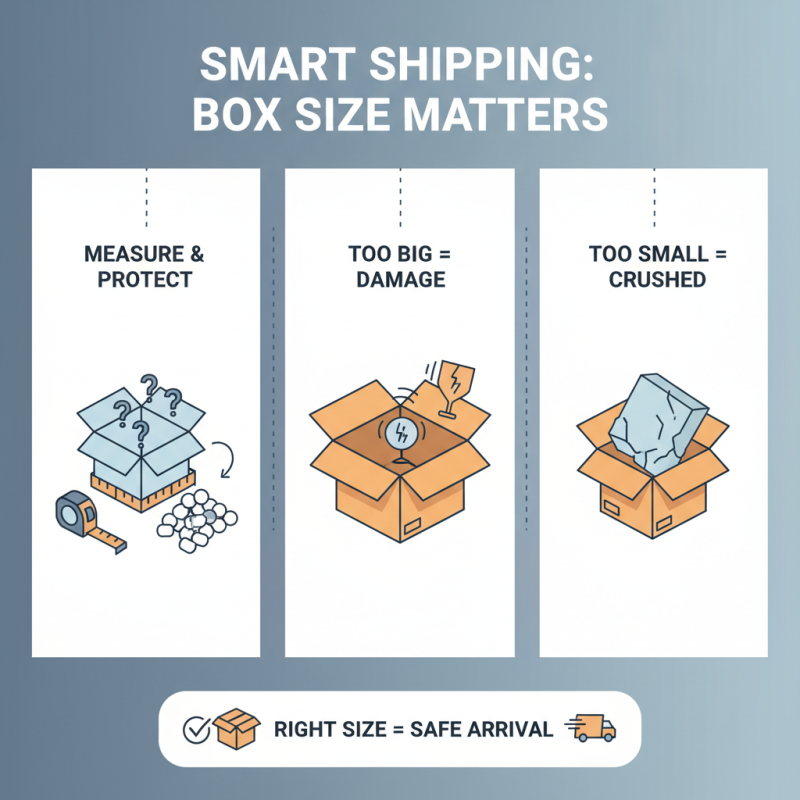
When it comes to packing and shipping, choosing the right size and strength of your corrugated boxes is paramount. The first step is to accurately measure the items you intend to ship. This involves assessing the dimensions as well as accounting for additional space needed for protective materials like bubble wrap or packing peanuts. Opting for a box that is too large can result in excessive movement of the items inside, leading to potential damage, while a box that is too small may risk crushing your products during transit.
Strength is another critical factor in selecting corrugated boxes. The strength of a box is generally classified by its bursting test (EBCT) or edge crush test (ECT) ratings. For heavier items, a higher ECT rating is advisable to ensure the box can withstand the weight without collapsing. In contrast, lighter items can be securely packed in standard-strength boxes. It’s also essential to consider the shipping environment; if your packages are likely to face harsh conditions, opt for reinforced boxes that provide extra durability and protection.
By taking the time to evaluate both size and strength, you can enhance the effectiveness of your packing strategy. This careful preparation not only reduces the risk of damage during shipping but also helps ensure a seamless and professional delivery experience for your customers.
Best Practices for Packing Items Securely in Corrugated Boxes
When packing items securely in corrugated boxes, the first step is to
choose the right box size for your items. Selecting a box that is too large
can lead to movement during transit, while a box that is too small may not provide adequate protection. Ideally, the box should
have just enough space to accommodate the items snugly, preventing them from shifting. Adding extra padding, such as
bubble wrap or packing peanuts,
can help fill any gaps and safeguard fragile items.
Furthermore, the way items are arranged inside the box plays a crucial role in securing them.
Heavier items should be placed at the bottom, with lighter items on top to maintain stability. It’s also advisable to orient
items in a way that distributes weight evenly throughout the box. For particularly fragile items, consider using dividers or
partitions to keep them separated. Lastly, sealing the box properly is essential; using quality packing tape on all seams
ensures the box remains intact during shipping, providing peace of mind
that your items will arrive safely at their destination.
Shipping Considerations: Labeling and Handling of Corrugated Shipments
When shipping corrugated boxes, proper labeling and handling are essential for ensuring the safe arrival of your goods. Each package should have a clear label containing essential information, including the sender's and recipient's addresses, contact numbers, and any specific handling instructions. Additionally, consider incorporating standardized symbols or barcodes to help streamline the shipping process and reduce the likelihood of mishandling.
Tips for effective labeling include using waterproof labels to protect against damage during transit. It's also important to keep labels large and legible, using bold fonts and high-contrast colors for easy visibility. When applying labels, place them on the largest surface of the box and avoid corners, as this can lead to damage during handling and impede easier scanning by shipping personnel.
Handling corrugated shipments requires careful consideration, particularly in how they are stacked and moved. Ensure that boxes are not overloaded, as this can lead to crushing and damage. Additionally, educate your team on the importance of maintaining a steady handling protocol that minimizes jolting and dropping, which can severely compromise the integrity of the box and its contents. Proper cushioning materials should also be utilized within the box for added protection, guaranteeing your goods stay intact during their journey.