10 Essential Tips for Effective Printed Packaging Design
Printed packaging plays a crucial role in product presentation and brand identity. In today's competitive market, effective design can set your product apart. Thoughtful printed packaging attracts attention and communicates key messages about the contents.
Consider color, shape, and materials when designing. Colors evoke emotions; the right choice can enhance brand recall. Shapes can influence consumer perceptions. For instance, unique bottle shapes might create intrigue but may increase production costs.
In many cases, brands overlook sustainability. Eco-friendly materials are more important than ever. Consumers increasingly favor brands that align with their values. Balancing creativity, cost, and sustainability remains a challenge. Effective printed packaging design requires continuous reflection and adaptation. Mistakes can lead to wasted resources and missed opportunities. Use these insights to refine your approach.
Understanding the Importance of Effective Printed Packaging Design
Effective printed packaging design plays a critical role in marketing products. It grabs attention and communicates key information. A well-designed package can influence purchasing decisions. Colors, fonts, and imagery all contribute to the overall message. However, a common mistake is overloading a package with information. This can confuse consumers and diminish the impact of the design.
Another essential aspect is durability. Packaging must protect the product while maintaining aesthetic appeal. Often, this balance is challenging to achieve. For instance, a beautiful box might not withstand shipping. Additionally, sustainability is becoming increasingly important. Consumers are more aware of environmental issues. Using eco-friendly materials can enhance brand image but often raises costs. Finding the right materials that meet both needs requires thoughtful consideration.
Ultimately, effective printed packaging should create a memorable experience. It should reflect the product's qualities without overwhelming the viewer. Regularly reviewing design choices can help in identifying areas for improvement. Striving for simplicity while being informative is not easy, but it is worthwhile. A package should invite curiosity rather than complicate understanding.
10 Essential Tips for Effective Printed Packaging Design
| Tip Number |
Tip |
Description |
Importance |
| 1 |
Know Your Target Audience |
Understand the preferences and needs of your customers to tailor your designs. |
High |
| 2 |
Choose the Right Materials |
Select packaging materials that reflect your brand values and ensure product safety. |
High |
| 3 |
Focus on Brand Identity |
Integrate brand colors, logos, and messaging consistently in your design. |
Medium |
| 4 |
Functional Design |
Ensure that your packaging is easy to open, close, and store while maintaining product integrity. |
High |
| 5 |
Sustainability Matters |
Use eco-friendly materials and processes to attract environmentally conscious consumers. |
High |
| 6 |
Visual Hierarchy |
Organize design elements to guide the consumer’s eye to the most important information. |
Medium |
| 7 |
Keep It Simple |
Avoid clutter in your design; a clean layout enhances visual appeal. |
Medium |
| 8 |
Include Clear Information |
Make sure that product details and usage instructions are easily readable and accessible. |
High |
| 9 |
Test with Real Users |
Gather feedback on design prototypes to refine and improve effectiveness. |
High |
| 10 |
Stay Updated with Trends |
Keep abreast of packaging design trends to make your product stand out on shelves. |
Medium |
Key Elements of Visual Appeal in Packaging
In today’s market, packaging design plays a crucial role in attracting consumers. According to a study by the Paper and Packaging Board, 72% of Americans form their opinion about a product based on its packaging. This statistic emphasizes the importance of visual appeal. Design elements should resonate with the target audience. Colors, typography, and imagery significantly influence purchasing decisions.
Effective packaging uses color psychology to evoke emotions. For instance, blue can instill trust, while red can create urgency. A report from the Pantone Color Institute suggests that consistent color use increases brand recognition by up to 80%. Incorporating texture can also enhance tactile experiences. Research shows that products with textured packaging can lead to 30% higher customer interaction.
However, many brands overlook consistency. Disjointed design elements can confuse consumers. A survey by Nielsen revealed that 64% of shoppers switch brands if the packaging feels unfamiliar. This inconsistency can lead to lost sales and diminished brand loyalty. It’s crucial for brands to continuously assess and refine their visual identity within packaging.
Impact of Key Elements on Visual Appeal in Packaging
Selecting the Right Materials for Packaging Durability
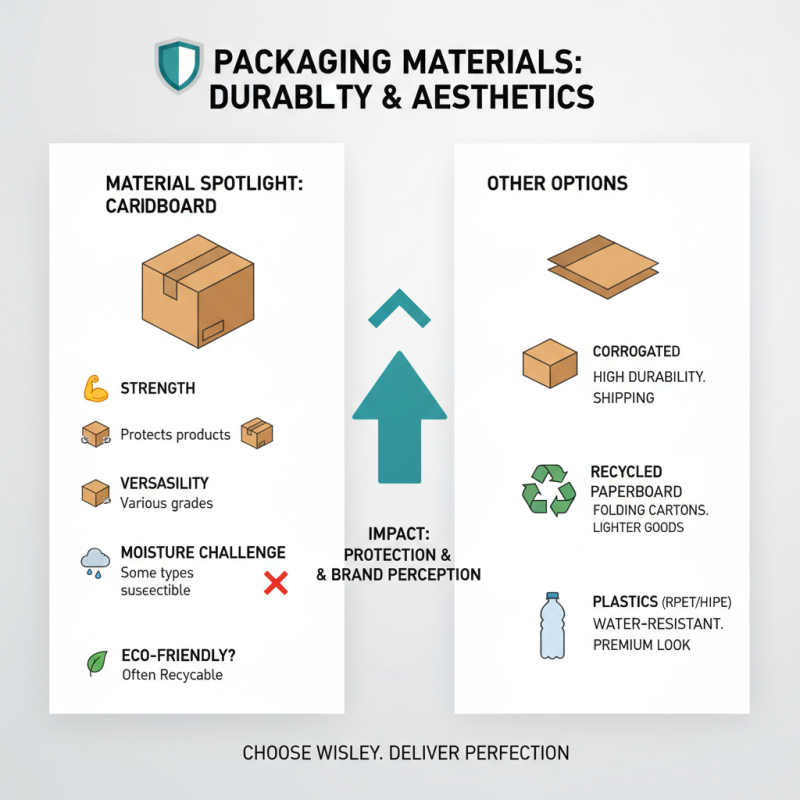
Selecting the right materials for printed packaging is crucial. It directly impacts durability and aesthetics. Cardboard is popular for its sturdy nature. It can protect products during transit. However, not all cardboard is created equal. Some types may not withstand moisture, leading to damage.
Plastic offers flexibility and resistance. It can be molded into various shapes. But, it also raises sustainability concerns. The balance between durability and environmental impact can be tricky. Sometimes, a cheaper material might save costs initially but could lead to product loss later.
Consideration must be given to the product type as well. Fragile items may need specialized materials. For example, materials with cushioning properties can help. Re-evaluating material choices can often reveal unexpected compromises. Regular feedback from consumers can guide these decisions too.
Incorporating Brand Identity into Packaging Design
Effective printed packaging design is essential for capturing consumer attention. It serves as an extension of the brand identity. Research shows that 73% of consumers are influenced by packaging design when making a purchasing decision. This highlights the pivotal role packaging plays in conveying a brand's message.
Incorporating brand identity into packaging goes beyond just logos and colors. It is about storytelling. Brands must consider the emotions they want to evoke. A recent report indicated that consistent brand presentation across all platforms can increase revenue by up to 23%. However, many brands overlook this aspect. They often focus solely on aesthetics, neglecting the narrative that aligns with their values.
Attention to detail is crucial. Texture, typography, and color schemes all contribute to brand perception. But many designers face challenges in maintaining consistency. Mixed messages can confuse consumers. This inconsistency can erode trust. Regular reviews and updates can help refine this process. Find the balance between creativity and brand integrity to enhance packaging design.
Ensuring Compliance with Industry Standards and Regulations
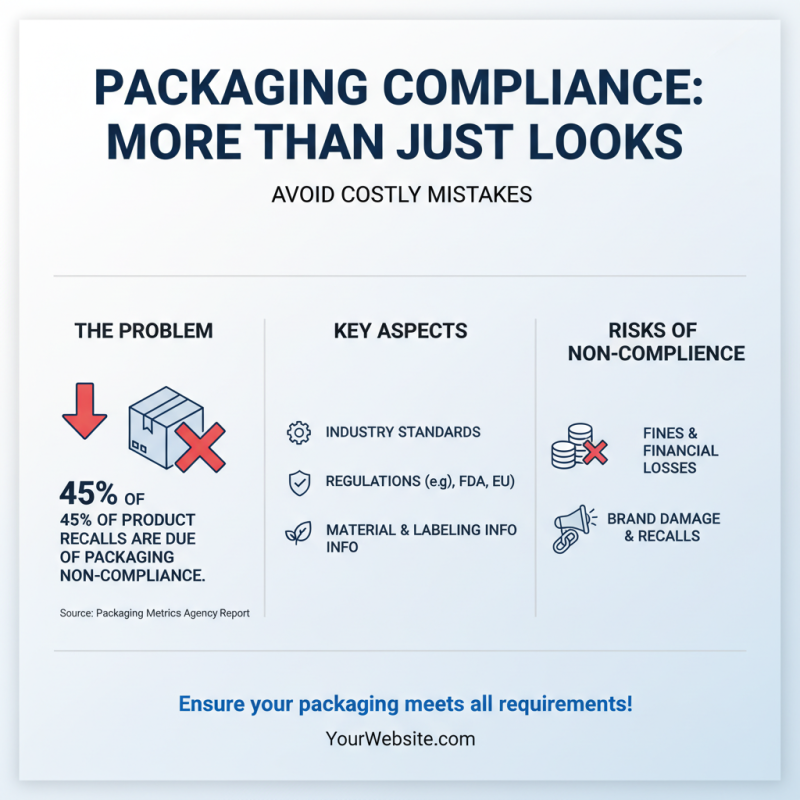
Effective printed packaging design goes beyond aesthetics. One key aspect is ensuring compliance with industry standards and regulations. Many businesses overlook this crucial element, which can lead to costly recalls or fines. According to a report from the Packaging Metrics Agency, 45% of product recalls are due to packaging non-compliance.
Consider the materials used in your packaging. A switch to eco-friendly materials not only meets many industry regulations but can attract environmentally conscious consumers. As reported by the Sustainable Packaging Coalition, 76% of consumers believe packaging should be recyclable. This shows the demand for sustainable practices is rising, and businesses must adapt.
Tip: Always keep up with local and international regulations. Regularly review guidelines from agencies like the FDA or EPA. Conduct audits to ensure your packaging is compliant. Many companies find that their designs fail to meet these regulations during production, leading to wasted resources.
Think about labeling as well. Clear, accurate information is not just a legal requirement; it builds trust. Yet, many designs complicate vital information. The design process should prioritize clarity without sacrificing brand identity. Use a checklist to measure if all information aligns with current regulations. Regularly scrutinizing your approach can minimize risks and enhance overall packaging effectiveness.