How to Effectively Use Shrink Sleeves for Packaging?
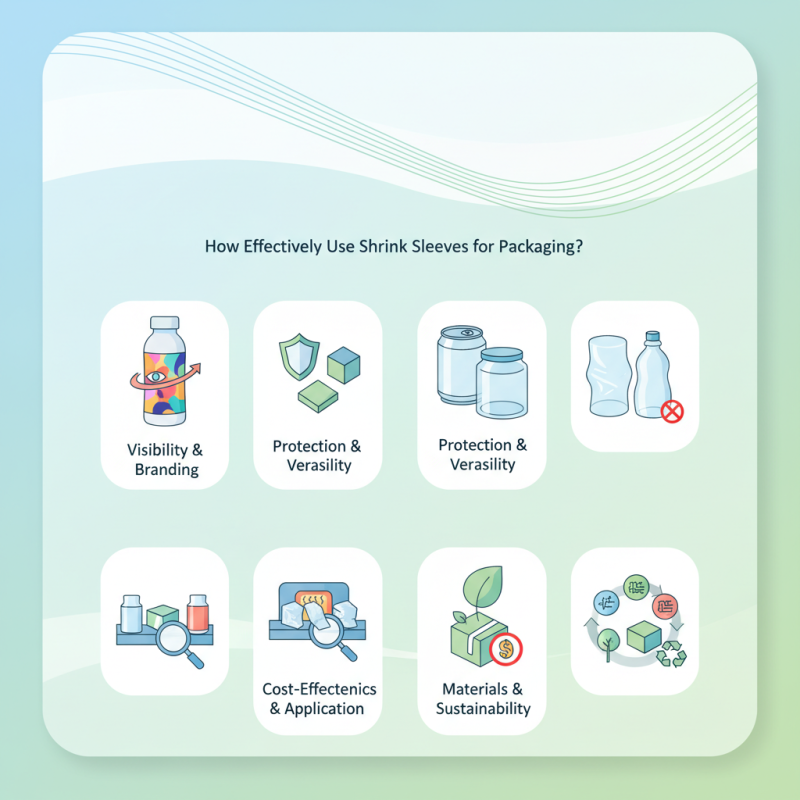
In the packaging industry, shrink sleeves have emerged as a powerful tool. Experts emphasize their potential in enhancing product visibility. John Smith, a leading packaging expert, states, "Shrink sleeves offer unmatched versatility for branding." This simple yet effective solution can transform a basic product into an eye-catching item on store shelves.
The use of shrink sleeves is not just about aesthetics. They provide protection and can adapt to various packaging shapes. Many companies opt for shrink sleeves due to their cost-effectiveness. However, not all businesses utilize them correctly. For instance, improper application can lead to unsightly wrinkling. Attention to detail during the design phase is crucial.
Yet, many still overlook the importance of choosing the right materials. The wrong choice can result in issues during production. Furthermore, environmental concerns are more pressing than ever. Companies must reflect on their packaging impact. Shrink sleeves are effective but should be part of a larger sustainability strategy. With thoughtful application, shrink sleeves can elevate both brand and package.
Understanding Shrink Sleeves: Definition and Applications
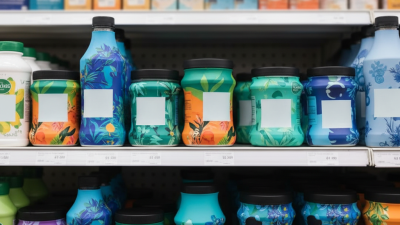
Shrink sleeves are versatile packaging options that conform tightly to various shapes. They are typically made from plastic materials that shrink when heat is applied. This process creates a snug fit around products, enhancing their presentation and protection. Shrink sleeves can be used for bottles, jars, and even irregularly shaped items. Their ability to display vibrant graphics adds to their appeal, making them a popular choice in retail.
When using shrink sleeves, consider the printing quality. High-resolution graphics can significantly elevate the product's marketability. Inadequate or blurry prints may lead to a negative perception among consumers. Additionally, ensure that the shrink sleeves are compatible with the product size. Ill-fitting sleeves can lead to waste and inefficiency in distribution.
Tips: Always test the heat application process. Too much heat can damage the product, while too little will not shrink the sleeve effectively. Keep track of the shrinkage rate of the material you choose. Small variations can lead to big problems down the line. Remember, packaging is crucial to consumer experience, so making adjustments can refine your approach.
Types of Shrink Sleeves: Materials and Manufacturing Processes
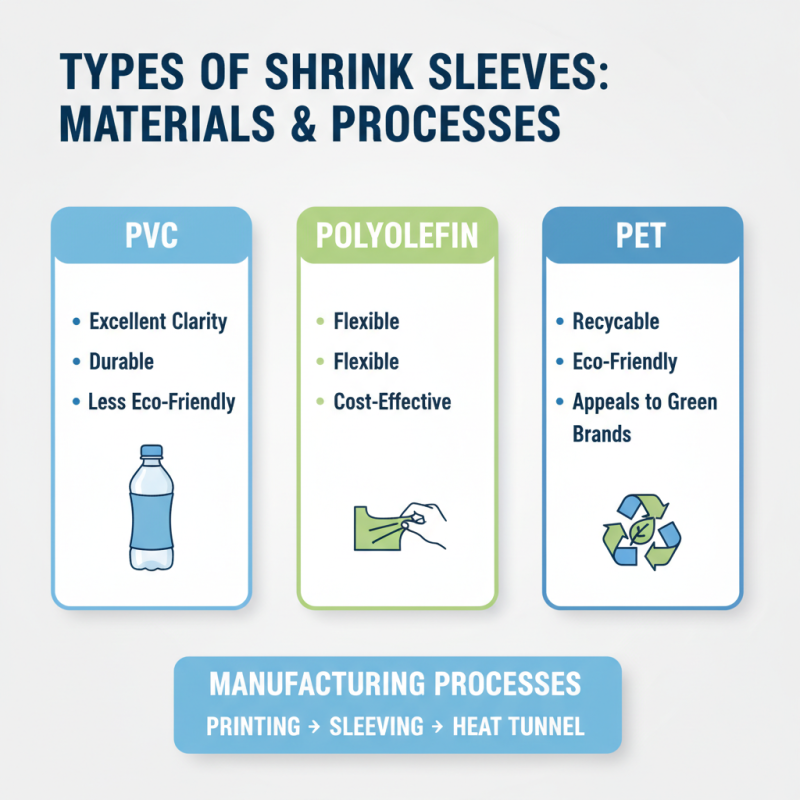
Shrink sleeves offer a versatile solution for packaging across various industries. They are typically made from materials like polyolefin, PVC, and PET. Each material has unique properties. For example, PVC shrink sleeves provide excellent clarity and durability. However, they are not as eco-friendly as other options. Polyolefin is a popular choice due to its flexibility and cost-effectiveness. Additionally, PET is recyclable, appealing to environmentally conscious companies.
Manufacturing processes vary widely. Common methods include extrusion and thermoforming. Extrusion creates continuous tubing, ensuring uniform quality. However, it can be wasteful if not optimized. Thermoforming allows for intricate designs, catering to specific product needs. Unfortunately, this process may lead to higher production costs. Reports indicate that the global shrink sleeve market is expected to grow at a CAGR of around 5.5% from 2020 to 2027. This growth reflects increasing demand for effective packaging solutions.
While shrink sleeves enhance brand visibility, attention to detail in production is crucial. Poor-quality materials can lead to issues like wrinkling or misalignment. Companies must invest in quality control to avoid these pitfalls. Shrink sleeves can greatly improve packaging efficiency, but it is vital to continually assess materials and processes for improvement.
Key Benefits of Using Shrink Sleeves for Packaging
Shrink sleeves offer numerous benefits for packaging products. They provide a versatile solution that fits various shapes and sizes. The use of shrink sleeves can enhance product visibility on shelves. This type of packaging allows for vibrant designs and colors. It can easily wrap around irregularly shaped items. The ability to create eye-catching packaging is crucial in a crowded market.
Additionally, shrink sleeves provide tamper-evident features. Consumers appreciate knowing their products are sealed securely. This aspect builds trust and confidence. They also improve shelf life by protecting products from moisture and contaminants. However, one must ensure proper application to avoid wrinkles or bubbles. Imperfections might detract from the overall appeal. Finding the right balance between aesthetics and functionality is essential.
Moreover, they are environmentally friendly when made from recyclable materials. Yet, it’s important to reflect on sourcing practices. The production process shouldn’t harm the environment. Many businesses overlook this critical factor. By considering these aspects, companies can enhance their packaging strategy while promoting sustainability.
Step-by-Step Guide to Applying Shrink Sleeves Effectively
Shrink sleeves are becoming increasingly popular in packaging due to their versatility and effectiveness. According to a report by Smithers Pira, the global shrink sleeve market is expected to reach $10.5 billion by 2025. This growth indicates a strong demand for packaging solutions that enhance product visibility and shelf appeal.
Applying shrink sleeves effectively requires careful preparation. Start by selecting the appropriate sleeve material. The thickness and shrink ratio should match your product specifications. Many businesses overlook this, leading to ineffective applications. Ensure your equipment is suitable for the material. An incompatible sealer can ruin the project, resulting in wasted resources.
After applying the sleeve, inspect for any air bubbles or wrinkles. These imperfections can affect the overall appearance and functionality. While imperfections are common, addressing them promptly is crucial. Proper temperature settings during the shrinking process are vital. Too high can distort the design, while too low may lead to incomplete shrinkage. Balancing these factors ensures optimal results.
Best Practices for Designing Shrink Sleeves for Branding and Functionality
Designing shrink sleeves requires careful thought. Start with colors that resonate with your target audience. Bright shades often grab attention. However, be cautious; overwhelming colors can confuse potential customers. Consider your brand's personality when selecting hues.
Artwork plays a critical role. Clear images and legible text are essential. Ensure branding elements are cohesive with your overall packaging strategy. A common mistake is overloading the sleeve with information. White space can provide balance and enhance readability.
Think about functionality too. Ensure that the design allows for easy application and fits snugly on the product. Testing different designs can save time and resources later. Feedback from coworkers or focus groups can reveal overlooked flaws. A design that looks good may not always perform well. Adjustments might be necessary to create the perfect combination of branding and functionality.