Top Essential Oil Bottle Types for Global Buyers?
In the world of aromatherapy and natural health, the Essential Oil Bottle plays a crucial role. To enjoy the benefits of essential oils, choosing the right bottle is essential. This choice can affect not only the oils' preservation but also their usability and therapeutic effects.
Various types of essential oil bottles exist on the market today. Glass bottles are often favored for their durability and ability to protect oils from light. Amber or cobalt blue glass can extend shelf life. However, plastic options are lighter and break-resistant, appealing to some users. Each type has its pros and cons, and the right choice can depend on specific needs.
While buyers need to understand these choices, personal preferences should guide them. Consideration of factors such as size, material, and design is important. Reflecting on one’s own usage can lead to better-informed decisions. In the end, the essential oil bottle you choose can make a difference in your overall experience with essential oils.
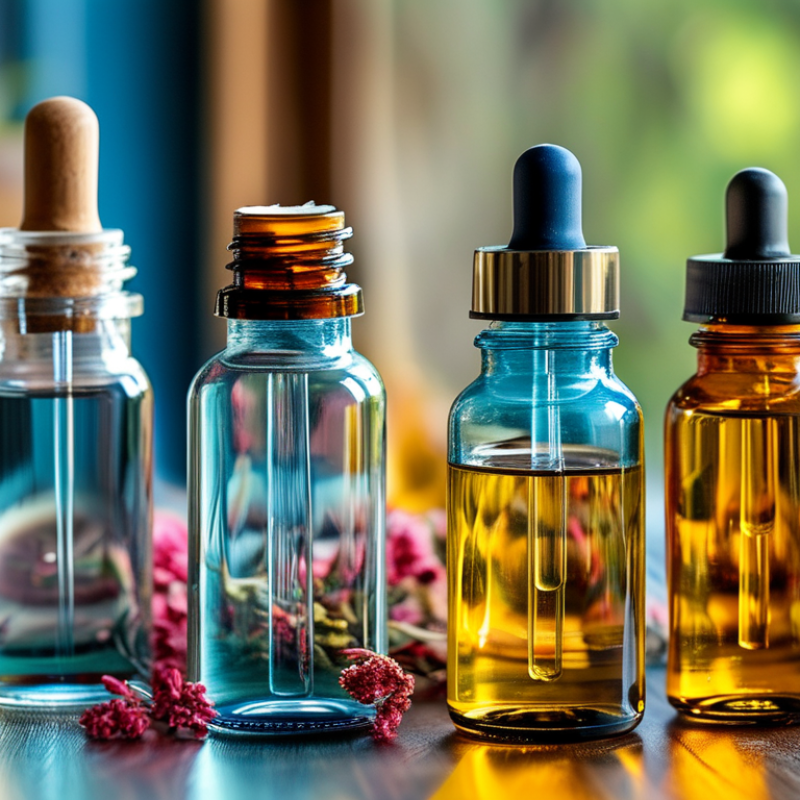
Popular Essential Oil Bottle Types for International Markets
When exploring popular essential oil bottle types for international markets, clarity and functionality stand out. Glass bottles are often favored due to their durability and ability to preserve the integrity of oils. They come in various sizes, from small 5ml bottles to larger 100ml options. These bottles are typically dark amber or cobalt blue to protect oils from light exposure. However, they can be heavy and may break if mishandled.
Plastic bottles also enjoy popularity among buyers. They offer lightweight alternatives that are less prone to shattering. However, they may not provide the same level of airtight protection. Some producers are concerned about the potential for chemical leaching. Various designs, including dropper tops and roller balls, allow for precise dispensing. These design features appeal to consumers seeking ease of use.
Another noteworthy type is the spray bottle. These are popular for diffusion and topical applications. The misters can deliver a fine mist. However, they must be designed carefully to avoid clogging. In markets with diverse needs, offering a variety of options can cater to different preferences. The challenge lies in balancing functionality with aesthetic appeal. Understanding these dynamics can help buyers stand out in an increasingly competitive market.
Key Features of Essential Oil Bottles and Their Functions
Essential oil bottles come in various types, each designed for specific functions. Glass is a popular choice for high-quality essential oil storage. It preserves the oil's integrity and provides UV protection. Dark-colored glass, such as amber or cobalt blue, shields oils from light exposure. This feature helps maintain the oil's potency over time.
Plastic bottles can be lighter and less fragile but may not provide the same level of protection. It's crucial to ensure that the plastic is of high quality and suitable for essential oils. Research indicates that the essential oil packaging market is projected to grow by 8.5% annually, highlighting the increasing demand for proper storage solutions.
Tips: When selecting an essential oil bottle, consider the size you need. Smaller bottles work well for personal use, while larger ones might be necessary for commercial purposes. Always check for airtight seals to prevent evaporation. Poor-quality seals can lead to waste and dissatisfaction. Evaluate potential improvements in your storage solutions to ensure you're using the best available options.
Sustainable Materials Used in Essential Oil Bottle Manufacturing
The choice of materials for essential oil bottles significantly impacts sustainability. Glass, a popular choice, is recyclable and inert. It does not leach chemicals, ensuring oil purity. However, glass can be heavy and fragile, which raises shipping costs and the risk of breakage.
Alternative materials like recycled plastics are lightweight and durable. Companies are exploring bioplastics too, made from renewable sources. These materials may reduce the carbon footprint but can also pose challenges in terms of recyclability. The balance between environmentally friendly options and practicality is not straightforward.
Using sustainable materials can enhance brand reputation. Consumers value eco-conscious products. Yet, manufacturers face hurdles in sourcing these materials. This uncertainty can lead to occasional lapses in transparency. The industry must commit to innovative solutions to address these challenges.
Top Essential Oil Bottle Types for Global Buyers
This chart illustrates the market share percentages of different types of essential oil bottles among global buyers. Glass bottles lead the market with a significant share, followed by plastic and aluminum options, reflecting trends in sustainability and consumer preference.
Market Trends in Essential Oil Bottle Design and Usability
The essential oil bottle market is evolving rapidly. As consumers become more conscious of sustainability, designs are shifting towards eco-friendly materials. Many buyers now prefer glass over plastic for its recyclability. This reflects a growing awareness of environmental impact. The use of darker glass also protects oils from UV light, preserving their potency.
Usability is another critical trend. Simple, intuitive designs are favored. Buyers seek easier dispensing options that minimize waste. Dropper tops and roller ball applicators are gaining popularity. They offer a controlled application, enhancing user experience. However, some designs can be prone to leaking. This presents an ongoing challenge for manufacturers.
Additionally, aesthetic appeal cannot be overlooked. Unique shapes and colors attract buyers on the shelves. Some designs may struggle with balance and stability, causing frustration. It's essential for brands to balance aesthetics with functionality. This remains a pivotal area for development in the industry.
Tips for Selecting the Right Essential Oil Bottle for Your Needs
Choosing the right essential oil bottle is crucial for both functionality and aesthetics. Consider the material of the bottle. Glass is often preferred. It preserves the oil's integrity. Dark glass protects from UV rays. This is essential for maintaining the oil’s potency. Plastic bottles can leach chemicals, which is a concern for many.
Size matters too. A 10ml bottle is portable for travel, while a 50ml bottle is better for home use. Think about your needs. Do you plan to use the oil daily? Or only occasionally? Understanding your usage will help you make a suitable choice. It’s also important to consider the bottle's design. A dropper or spray top can enhance usability, but not every style is practical.
Reflect on your purchase. Is the bottle easy to clean? Can you reuse it? Some bottles may look attractive, but they might not stand the test of time. Research is necessary. Look for reliable vendors who provide detailed descriptions and customer reviews. This practice ensures you get what you pay for, enhancing your experience.
Top Essential Oil Bottle Types for Global Buyers
| Bottle Type | Material | Capacity | Ideal for | Color Options |
| Glass Bottle | Glass | 15ml, 30ml, 50ml | High-end oils | Transparent, Amber, Cobalt Blue |
| Roll-On Bottle | Plastic, Glass | 5ml, 10ml, 15ml | Convenient use | Frosted, Amber |
| Dropper Bottle | Glass | 10ml, 20ml, 30ml | Precision dosing | Clear, Amber |
| Spray Bottle | Glass, Plastic | 30ml, 50ml, 100ml | Room sprays, Mists | Frosted, Clear |
| Sample Vial | Glass | 2ml, 5ml | Testing new oils | Clear, Amber |