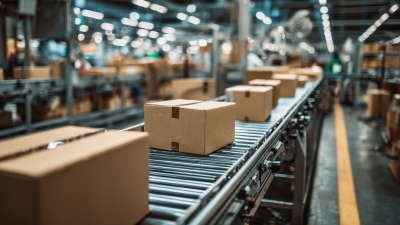
In today's competitive market, the significance of effective packaging supplies cannot be overstated. From small businesses to large corporations, the right packaging not only ensures the safety and integrity of products during transit but also plays a crucial role in branding and customer experience. A well-designed package attracts attention, communicates a message, and enhances the unboxing experience, fostering customer loyalty and repeat business.
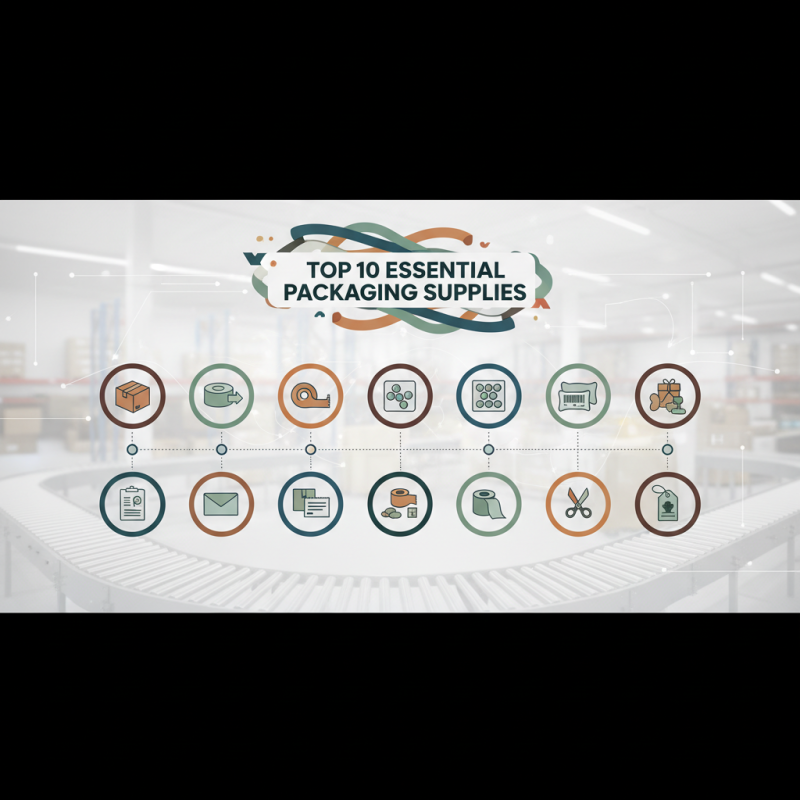
As businesses strive to stand out in a crowded marketplace, an understanding of essential packaging supplies is key. Selecting the right materials and tools can significantly impact efficiency, cost-effectiveness, and overall satisfaction for both the company and its customers. In this guide, we will explore the top ten essential packaging supplies that every business should consider, equipping you with the knowledge to make informed decisions. Whether you're looking to improve your current packaging strategy or starting from scratch, these supplies are fundamental to achieving success in product presentation and delivery.
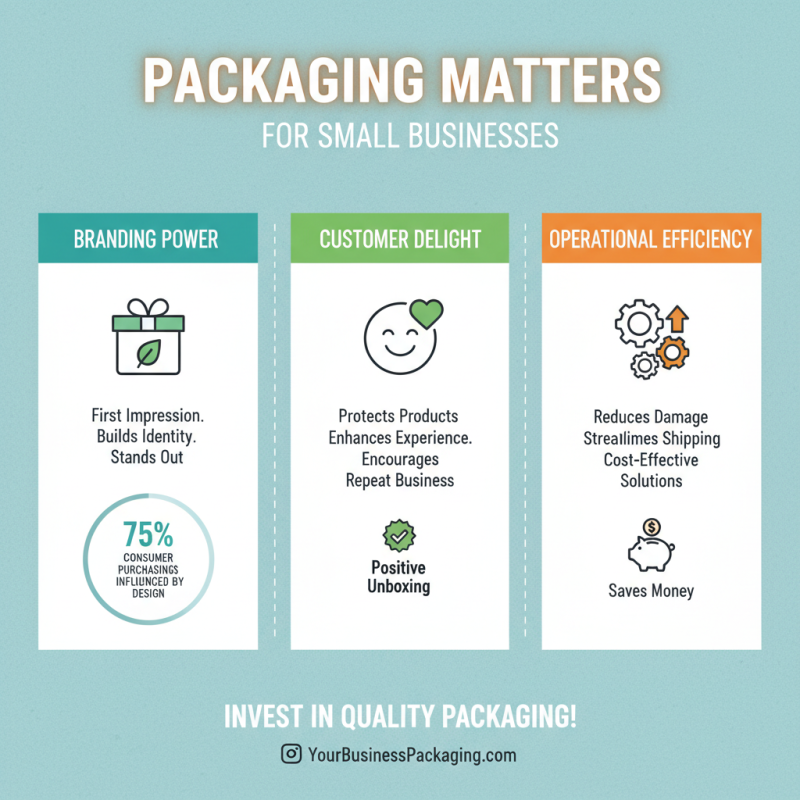
Small businesses often overlook the importance of effective packaging, yet it plays a critical role in branding, customer satisfaction, and operational efficiency. According to a report by the Packaging Machinery Manufacturers Institute, nearly 75% of consumers indicate that packaging design often influences their purchasing decisions. Therefore, it is essential for small businesses to invest in high-quality packaging supplies that not only protect their products but also create a positive impression on their customers.
Key packaging supplies that every small business should consider include boxes, bubble wrap, tape, and packing peanuts. Eco-friendly packaging options are also gaining traction, as a survey by EcoFocus Worldwide revealed that over 66% of consumers prefer brands that offer sustainable packaging. By incorporating eco-conscious materials into their packaging strategy, small businesses can enhance their brand reputation and attract environmentally aware customers. Additionally, utilizing the right packaging techniques can significantly reduce shipping costs and product damage, ultimately improving overall profitability. Investing in essential packaging supplies is not merely an operational choice; it’s a strategic decision that can lead to increased customer loyalty and market competitiveness.
When it comes to shipping products safely and efficiently, choosing the right packaging materials is crucial. Firstly, bubble wrap is an excellent choice for cushioning fragile items. Its air-filled pockets provide protection against shocks and impacts, making it ideal for glassware, electronics, and other delicate goods. For businesses looking to save space and reduce costs, air pillows can be an effective alternative. They are lightweight and can be inflated to fill voids in shipping boxes, preventing movement during transit.
In addition to cushioning materials, strong and durable boxes are essential for ensuring that products arrive in excellent condition. Using double-walled cardboard boxes can provide added strength, especially for heavier shipments or items that require extra protection. Tape is another critical component; high-quality adhesive tape helps secure packages, reducing the risk of them opening during handling. Lastly, labels and protective wrappers should be considered to ensure clear identification and to prevent damage from moisture or dirt, ensuring that the entire shipping process runs smoothly.
| Packaging Material | Description | Primary Use | Benefits |
|---|---|---|---|
| Cardboard Boxes | Sturdy boxes made from layers of paperboard. | Shipping and storage | Lightweight, recyclable, and customizable sizes. |
| Bubble Wrap | Plastic film with air-filled bubbles for cushioning. | Protection for fragile items | Excellent shock absorption and lightweight. |
| Packing Tape | Strong adhesive tape for sealing packages. | Sealing boxes | Durable bond and easy to apply. |
| Void Fill Materials | Materials used to fill empty spaces in packages. | Preventing movement during transit | Cost-effective and reusable options available. |
| Padded Envelopes | Envelopes lined with cushioning materials. | Shipping small, delicate items | Lightweight and protective. |
| Stretch Film | Plastic film that wraps around products or pallets. | Bundling and securing items | Provides visibility and protection against dust. |
| Labels | Adhesive labels for packaging and shipping. | Identifying and tracking shipments | Clear information and easy to apply. |
| Shrink Wrap | Plastic film that shrinks when heat is applied. | Bundling products together | Tamper-proof and provides a clean finish. |
| Foam Packaging | Protective inserts made from foam material. | Cushioning for fragile items | Excellent shock resistance and customizable shapes. |
| Cooler Bags | Insulated bags designed to keep products cold. | Transporting perishable items | Maintains temperature and easy to carry. |
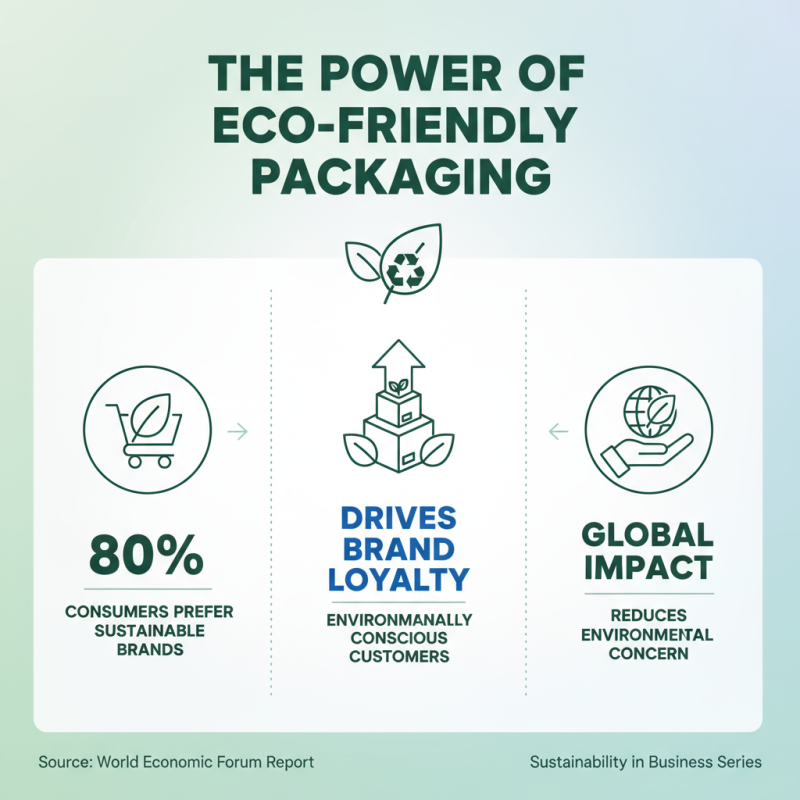
As sustainability becomes a driving concern in today's market, businesses are increasingly recognizing the importance of eco-friendly packaging options. According to a recent report by the World Economic Forum, approximately 80% of consumers are more likely to purchase from brands that prioritize sustainable practices. This shift not only addresses environmental concerns but also enhances brand loyalty among increasingly environmentally conscious customers.
Adopting eco-friendly packaging supplies such as biodegradable materials, recycled paper, and plant-based plastics can significantly reduce a company's carbon footprint. A study published by the Green Packaging Association revealed that companies implementing sustainable packaging options saw a reduction in packaging waste by up to 30%, while simultaneously improving their overall brand image. This indicates a clear business advantage in integrating environmentally friendly practices.
**Tip:** When selecting packaging, opt for materials that are easily recyclable or compostable. This not only helps in reducing waste but also positions your brand as a responsible choice in the eyes of consumers.
Moreover, transitioning to eco-friendly packaging can lead to cost savings in the long run. Innovative materials often require less energy to produce, and by investing in sustainable options now, companies may avoid potential future regulations that target typical packaging waste. Consider sourcing local materials to further minimize environmental impact and support the local economy.
**Tip:** Conduct a sustainability audit of your current packaging processes to identify areas for improvement. Small changes can lead to significant differences over time, ultimately benefiting both your business and the planet.
Labeling and branding tools play a pivotal role in enhancing packaging appeal, which can significantly impact customer purchasing decisions. According to a report by the Packaging Association, about 70% of consumers make their buying choices based on packaging design. This highlights the critical nature of effective labeling that not only informs but also attracts attention. Sophisticated labeling tools, such as digital printers and label applicators, can ensure high-quality graphics and fast production times, allowing businesses to keep pace with market demands while maintaining brand consistency.
Moreover, branding extends beyond the mere aesthetics of packaging; it influences consumer perception and loyalty. Research shows that cohesive branding across packaging can increase brand recognition by up to 80%. Tools such as custom dies for shaping packaging, eco-friendly materials, and informative inserts can not only boost the visual impact but also communicate the brand's values effectively. According to a study by Smithers Pira, sustainable packaging is projected to grow by 20% annually, indicating a strong consumer preference for brands that prioritize environmentally friendly practices. By investing in the right labeling and branding tools, businesses can enhance their packaging appeal while aligning with market trends that favor sustainability and aesthetic excellence.
Effective storage and organization of packaging supplies is critical for businesses looking to streamline their operations and reduce wasted time and resources. According to a 2022 report by the National Packaging Association, businesses that invest in organized packaging solutions can see a 20% increase in efficiency. This is largely due to easier access to materials and a more streamlined workflow, enabling employees to focus on productivity rather than searching for supplies.
To optimize your storage space, consider implementing multi-tier shelving systems, which can significantly increase vertical space utilization. This type of organization not only saves floor space but also allows for a clearer overview of inventory levels. Additionally, using clear bins labeled with contents can enhance visibility and ensure that supplies are easily retrievable, reducing downtime during peak operational periods.
Tip: Regularly auditing your inventory and reorganizing your storage setup can reveal areas ripe for improvement. Set a schedule—monthly or quarterly—to review your storage systems and eliminate any supplies that are no longer necessary. This practice not only keeps your workspace clutter-free but also helps in forecasting future supply needs more accurately.