2026 How to Choose the Best Hygienic Design Food Sorter?
Choosing the right Hygienic Design Food Sorter is crucial for food safety and efficiency. In the food processing industry, maintaining high hygiene standards is essential. A suitable sorter ensures minimal contamination risk during processing.
When selecting a Hygienic Design Food Sorter, consider materials used in construction. Stainless steel is often preferred due to its resistance to corrosion and ease of cleaning. Additionally, evaluate the design for smooth surfaces and absence of crevices where bacteria can thrive.
Don’t overlook the importance of manufacturer reputation. A trusted supplier will provide reliable equipment that complies with industry standards. Research customer reviews and seek expert opinions. Remember, an investment in a quality sorter can significantly impact product quality and compliance. Reflect on your specific needs and operational challenges; the best choice may not always be the most expensive option.
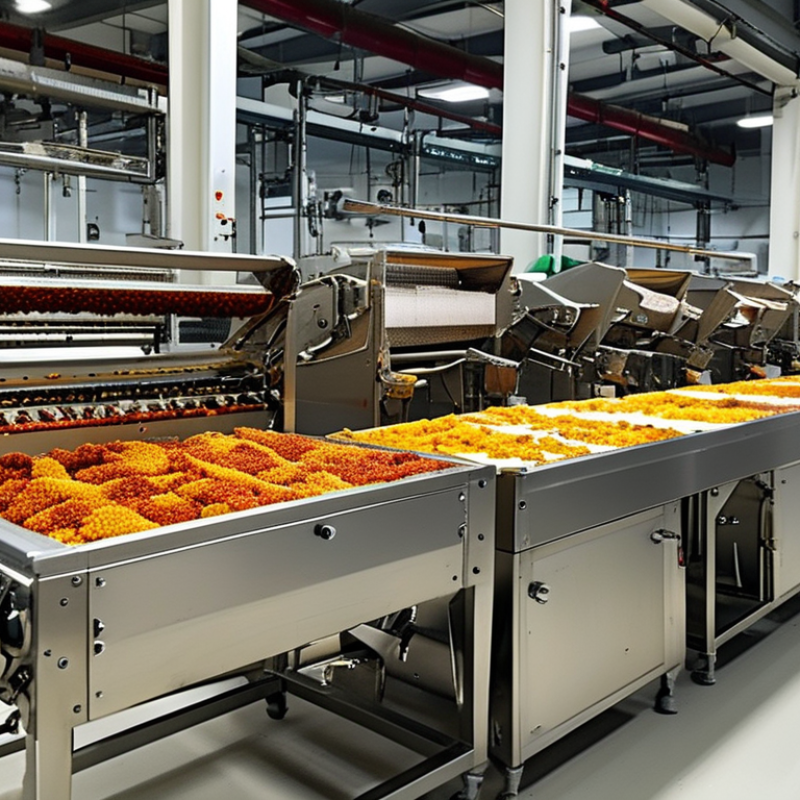
Understanding Hygienic Design Principles in Food Sorters
When selecting a hygienic design food sorter, understanding the principles of hygienic design is crucial. Food sorters play a vital role in ensuring food safety, hygiene, and efficiency in food processing operations. Recent reports emphasize that nearly 75% of food recalls relate to contamination issues, often stemming from poor design practices. By incorporating hygienic design principles, manufacturers can minimize these risks and enhance operational reliability.
Hygienic design focuses on several key aspects, including material selection, surface finish, and ease of cleaning. For instance, stainless steel with smooth surfaces is preferred due to its resistance to corrosion and ease of sanitization. Regular cleaning protocols are vital because residues can compromise food safety. A study found that 90% of food safety experts recommend regular inspections of food processing equipment to ensure compliance with hygiene standards.
Tips: Always choose food sorters that have fewer crevices and joints. This reduces the risk of bacteria buildup. Also, consider models that allow for easy disassembly for cleaning. Remember, investing in a hygienic design can prevent costly recalls and enhance brand trust.
Key Features to Consider in a Hygienic Food Sorting Machine
When selecting a hygienic food sorting machine, focus on key features that ensure cleanliness and efficiency. The design should allow for easy cleaning. This minimizes the risk of contamination. Materials used should be non-porous and resistant to harsh cleaning agents. Stainless steel is a great option. It’s durable and won’t harbor bacteria.
Consider the layout of the sorter. It should promote proper drainage and avoid water pooling. A compact design might save space, but ensure it doesn’t compromise hygiene. Look for machines equipped with removable components. This feature simplifies routine maintenance and deep cleaning. Sorting speed is another critical factor. Fast processing can enhance productivity but should not compromise food safety.
Adopting a rigorous testing process for the machine is also essential. Regular audits help identify potential issues early. Keep in mind that even the best-designed machines may have flaws. Continuous improvement is necessary in this field. By prioritizing these aspects, you can make a more informed decision.
2026 How to Choose the Best Hygienic Design Food Sorter? - Key Features to Consider in a Hygienic Food Sorting Machine
| Feature | Importance | Recommended Specification | Example Material |
| Ease of Cleaning | Critical for hygiene | Smooth surfaces, no crevices | Stainless Steel |
| Material Safety | Prevents contamination | FDA compliant materials | FDA-approved plastic |
| Automation Level | Enhances efficiency | Automatic sorting with sensors | Integrated Camera Systems |
| Durability | Long-term cost-effectiveness | Heavy-duty construction | High-grade stainless steel |
| Size and Capacity | Fits production needs | Customizable sizes | Modular designs |
Materials Selection for Optimal Hygiene in Food Equipment
When selecting materials for food sorting equipment, hygiene is paramount. According to a report by the Food and Drug Administration (FDA), surfaces in food processing can harbor bacteria if not designed properly. Choosing non-porous materials is essential. Stainless steel, for instance, is resistant to corrosion and easy to clean. It is a common choice for equipment in this sector.
However, not all stainless steel grades are equal. Some may become damaged or scratched, creating harborage points for bacteria. This highlights the need for careful material selection. Research indicates that implementing hygienic design principles can reduce contamination risks by up to 50%. Specifically, designs that eliminate crevices are vital in achieving this.
It’s also important to consider the long-term implications of material choices. While some plastic materials are easier to handle, they may not withstand harsh cleaning agents, leading to quicker degradation. A recent survey revealed that 40% of food safety professionals are concerned about the longevity of these materials. Investing in durable options may seem costlier at first, but can result in lower maintenance and higher safety standards over time.
Regulatory Standards for Hygienic Design in Food Processing
Hygienic design is crucial in food processing. It focuses on preventing contamination and ensuring food safety. Regulatory standards play a key role in guiding manufacturers. These standards help create equipment that is easy to clean and maintain. Often, companies must comply with regulations like the FDA or USDA in the United States. This can become a complex challenge for many businesses striving for compliance.
When selecting a hygienic design food sorter, manufacturers should prioritize materials and construction. Stainless steel is often preferred due to its durability and corrosion resistance. However, not all stainless steel is equal. The surface finish and welding methods can determine how easily bacteria can hide on the equipment. Attention to these details can significantly affect hygiene levels.
Nevertheless, the journey toward full compliance is not always seamless. Sometimes, companies overlook minor design aspects that lead to potential contamination. For example, sharp edges or hard-to-reach areas might trap food particles. Regular assessments and improvements are essential. Striving for excellence in hygienic design should be an ongoing process, rather than a one-time effort.
Maintenance and Cleaning Considerations for Food Sorters
When selecting a hygienic design food sorter, maintenance and cleaning considerations become paramount. Regular upkeep ensures food safety and extends the sorter’s lifespan. Choose equipment made of materials that resist stains and corrosion. Stainless steel is a top choice due to its durability and ease of cleaning.
Cleaning protocols should be straightforward. A design that allows for easy disassembly can save time and effort. Inspect crevices and joints frequently; these areas often trap debris. Use appropriate cleaning agents that comply with food safety regulations. Sometimes, achieving cleanliness takes more than a rinse.
Consider your facility’s workflow when implementing maintenance practices. Do not overlook the importance of staff training. Even the best machines require attentive operators. Regular workshops ensure everyone understands cleaning procedures. Document these practices for accountability. Over time, you may notice areas needing refinement in your cleaning strategy. Adaptation based on experience is key to maintaining hygiene standards.