2026 How to Innovate in the Packaging Industry for Sustainable Growth?
The packaging industry is at a crucial crossroads. Sustainability has become a guiding principle. Companies must find ways to innovate while minimizing their environmental impact. Traditional packaging methods are often wasteful and harmful. The challenge lies in creating new solutions that balance cost and ecological footprint.
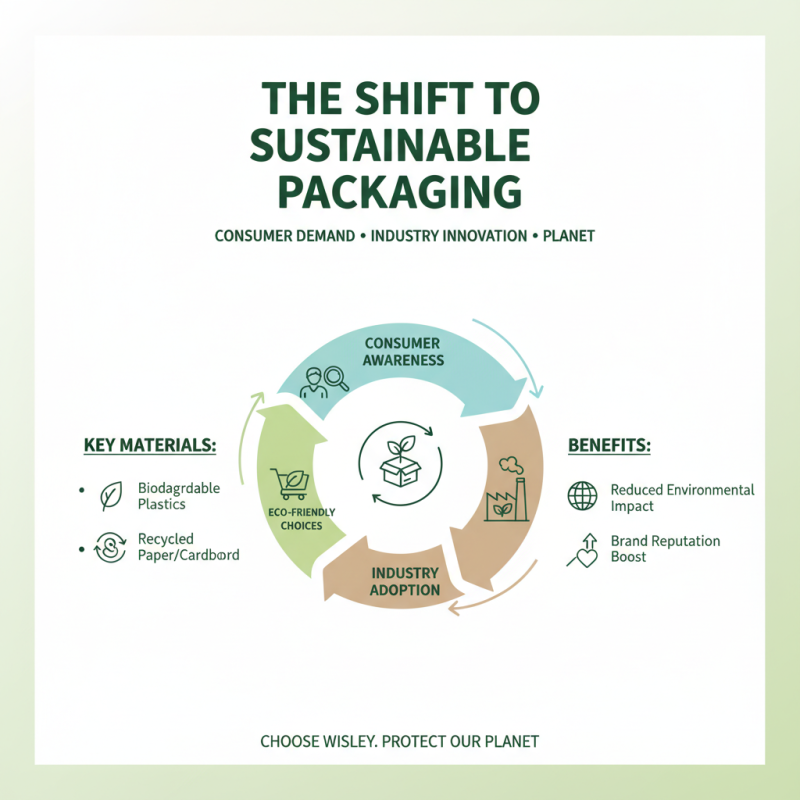
Innovative approaches like biodegradable materials and reusable designs are emerging. However, many companies struggle to adopt these methods. There is often a resistance to change. The fear of increased costs can hinder progress. Yet, consumers are demanding better practices. Their expectations are shaping future trends.
Investing in research and development is vital. Collaboration across sectors can lead to breakthroughs. Companies must also reflect on their practices. Are they doing enough? The path to sustainable growth requires commitment. It is not just a trend; it’s essential for survival in the packaging industry. Embracing innovation today will define the future.

Innovative Material Selection for Sustainable Packaging Solutions
Innovative material selection is crucial for sustainable growth in the packaging industry. Companies are increasingly exploring alternatives to traditional plastics. Biodegradable materials, such as plant-based polymers, are gaining traction. Still, challenges arise in durability and cost. Finding a balance is essential.
Tips for material selection: Consider the lifecycle of your packaging. Look for materials that minimize waste and energy consumption. Test various options before committing. Collaboration with material experts can lead to better choices. Engage in focused research to understand new advancements.
Sustainability should not compromise functionality. Sometimes, eco-friendly materials may not meet all performance standards. Reflecting on whether a material aligns with your brand values is important. Additional trials may be needed to refine and adapt. Ultimately, innovative material selection can lead to significant improvements in sustainability.
The Role of Technology in Advancing Eco-Friendly Packaging Practices
The role of technology in advancing eco-friendly packaging practices is pivotal. New materials like biodegradable plastics are emerging. According to a recent report from the World Economic Forum, nearly 90% of plastic waste ends up in landfills and oceans. This statistic is alarming and sheds light on the urgent need for innovation.
Machine learning and AI are reshaping how brands develop packaging. Data analytics help companies identify sustainable sources. A study shows that improving packaging efficiency can reduce carbon emissions by up to 30%. However, many businesses still rely on outdated methods. This reluctance poses significant challenges.
While advancements exist, adoption is slow. The International Union for Conservation of Nature reported that only 9% of plastic is recycled effectively. There’s tension between cost and sustainability. Many firms hesitate to invest in green technology due to perceived risks. Sustainable growth in the packaging industry requires a commitment to change. The path forward isn’t clear, but the opportunity for real impact is undeniable.
2026 How to Innovate in the Packaging Industry for Sustainable Growth? - The Role of Technology in Advancing Eco-Friendly Packaging Practices
| Dimension |
Description |
Impact Assessment |
| Material Innovation |
Development of biodegradable and compostable materials to replace traditional plastics. |
High potential for reducing environmental impact and increasing consumer acceptance. |
| Smart Packaging |
Integration of technology such as NFC and QR codes for enhanced user engagement and information delivery. |
Moderate impact on brand loyalty and customer interactions. |
| Reduction of Packaging Waste |
Strategies to minimize material usage while maintaining product protection and shelf life. |
Significant positive impact on waste reduction and resource efficiency. |
| Carbon Footprint Monitoring |
Use of technology to track and report the carbon footprint throughout the packaging lifecycle. |
High impact on transparency and accountability, enhancing brand reputation. |
| Consumer Education |
Initiatives aimed at educating consumers about sustainable packaging practices and benefits. |
Moderate impact on consumer choices and demand for sustainable options. |
Regulatory Framework Impacting the Packaging Industry's Sustainability Goals
The regulatory framework surrounding the packaging industry has a significant impact on sustainability goals. Governments worldwide are implementing stricter regulations. These laws often mandate the reduction of single-use plastics and promote recycling initiatives. Packaging companies must adapt to these changes quickly. However, many struggle with compliance due to cost and complexity.
While regulations can drive innovation, they also pose challenges. For instance, companies might find it difficult to source sustainable materials that meet new standards. There’s a constant tension between maintaining cost-effectiveness and adhering to sustainability mandates. In many cases, businesses lack clear guidelines from authorities. This ambiguity can stall initiatives aimed at creating eco-friendly solutions.
Addressing these regulatory hurdles requires collaboration. Stakeholders need to engage with regulators to find practical solutions. By working together, the industry can pave the way for sustainable growth. Companies must also reassess their strategies regularly. This reflection is essential for aligning with evolving regulations and customer expectations. Adapting swiftly ensures long-term viability in a competitive landscape.
Measuring the Environmental Impact of Packaging: Metrics and Best Practices
Measuring the environmental impact of packaging is essential for sustainable growth.
It involves different metrics that assess both resources and waste.
Some key indicators include carbon footprint, recyclability, and biodegradability.
These metrics help companies identify areas for improvement, revealing how materials and processes affect the environment.
Many businesses may overlook these factors.
One common pitfall is relying solely on certifications.
Just because a package has a label does not guarantee it is eco-friendly.
Consumers often face confusion due to greenwashing.
Clear communication is key.
Companies should prioritize transparency in their practices, allowing customers to understand the true impact.
Simple changes, like reducing plastic, can make a significant difference.
Best practices involve continuous assessment and innovation.
Regular audits can help track progress over time.
Companies must engage in life cycle assessments too.
Understanding the complete journey of packaging is crucial.
However, many organizations fall short in executing these assessments thoroughly.
There is always room for improvement. Making sustainable choices should not be a one-time effort but an ongoing commitment.