How to Improve Us Packaging for Better Sustainability and Efficiency?
The US packaging industry faces a crucial challenge: balancing efficiency with sustainability. As consumers demand more eco-friendly options, the pressure mounts on companies to transform their packaging practices. Notably, John Smith, a prominent expert in US packaging, states, "Sustainable packaging is not just an option; it is a necessity for the future."
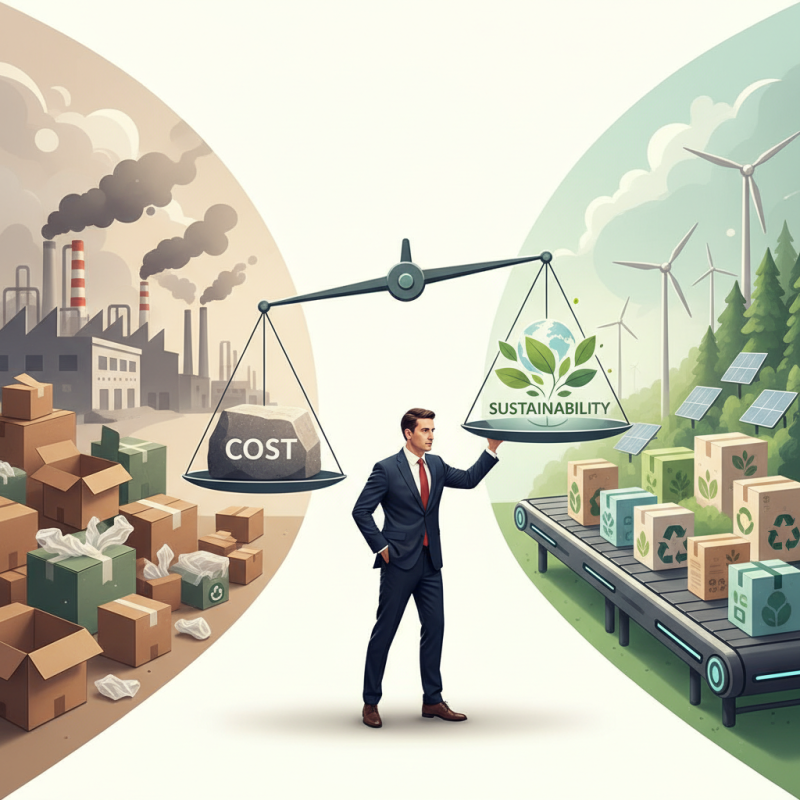
Modern consumers are increasingly aware of their environmental impact. They seek products with minimal packaging waste. Consequently, brands must find innovative solutions. Recyclable materials, reduced packaging size, and biodegradable options are gaining traction. Yet, many companies lag in adopting these practices. The tension between cost and sustainability often leads to superficial changes.
Moreover, this shift isn't just about meeting consumer demand. It requires genuine commitment. While some companies tout sustainability, their actions may not reflect these promises. Real transformation demands transparency and accountability in the US packaging sector. As we strive for improvement, we must ask ourselves: Are we truly prioritizing sustainability, or merely checking off a box? The answers will shape the future of US packaging.
Current State of US Packaging and Its Environmental Impact
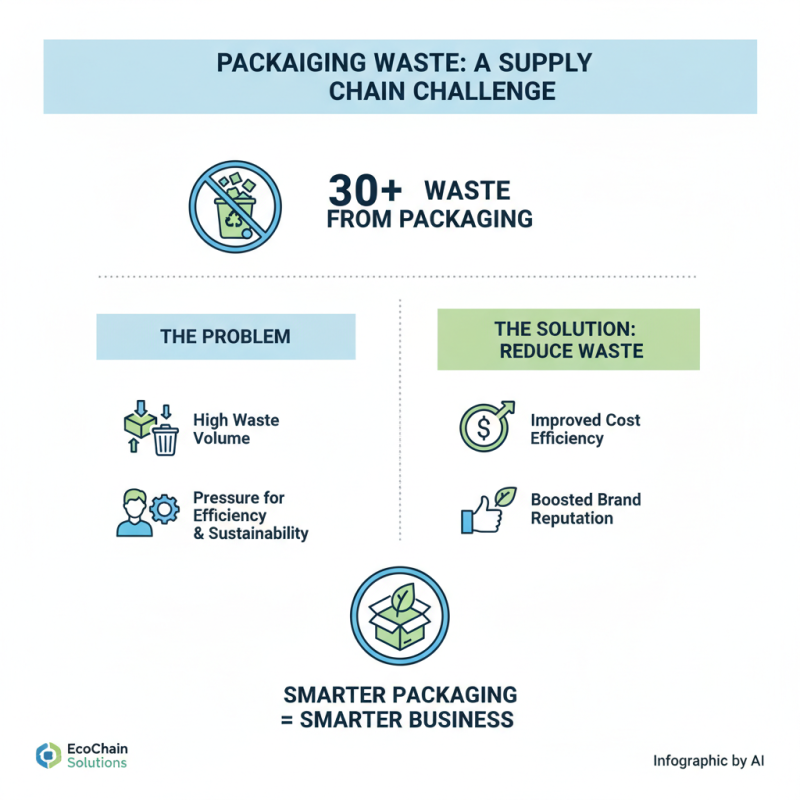
The current state of US packaging reveals significant environmental challenges. According to the Environmental Protection Agency (EPA), approximately 30% of municipal solid waste comes from packaging materials. This highlights a pressing issue for sustainability efforts. Plastic packaging alone accounts for about 12% of the total waste generated. This is far from ideal. The impact on ecosystems and wildlife is evident, with millions of animals affected by plastic pollution every year.
Recycling rates for packaging materials remain low, especially for plastics. The National Recycling Coalition notes that only 9% of plastic is recycled effectively. This statistic is troubling. Many communities struggle with inadequate recycling systems, leading to increased landfills and waste incineration. Additionally, the production of new packaging often consumes excessive energy and resources, further burdening our environment. A re-evaluation of packaging design and materials is essential.
Innovative strategies are emerging, yet they need broader implementation. For instance, shifting to biodegradable materials can reduce long-term waste. The World Wildlife Fund suggests that the use of alternative materials can lower carbon footprints. However, challenges in cost and scalability remain significant hurdles. Understanding the true environmental impact of packaging requires ongoing assessment and reflection from all stakeholders involved.
US Packaging Waste by Material Type (2023)
Key Principles of Sustainable Packaging Design
Sustainable packaging design is crucial for reducing environmental impact. Reports indicate that around 30% of packaging waste contributes to global landfill issues. A focus on eco-friendly materials can vastly improve this scenario. For example, using biodegradable plastics can cut down waste significantly, but they may not always decompose as expected. There’s still a gap in consumer understanding of these materials.
Designing for efficiency involves minimizing excess material. Industry studies suggest that reducing packaging weight by just 10% could lower transportation emissions by up to 5%. However, thinner materials can compromise product safety. It's essential to balance protection with sustainability. A flawed design might save costs initially...
Collaboration among stakeholders is key. Engaging suppliers and retailers can lead to innovative solutions in sustainable packaging. Yet, many companies struggle with lack of transparency in their supply chains. Identifying sustainable sources remains a challenge. Improving packaging requires ongoing reflection and adaptation to new technologies. Embracing these principles may pave the way for a more sustainable future.
Innovative Materials and Technologies for Efficient Packaging
The quest for sustainable packaging is leading to exciting innovations.
Research in bioplastics offers promising alternatives. These materials can decompose naturally, reducing waste.
However, the production process must also improve. Energy consumption is a concern that often remains unaddressed.
Another area of focus is smart packaging technologies. These include sensors that monitor freshness or temperature.
They can extend product life and reduce spoilage. Yet, integrating these technologies can be complex and costly.
Many companies struggle with the balance between innovation and expense.
Additionally, recycled materials demand attention.
Using post-consumer waste can significantly reduce environmental impact. Yet, quality control becomes more challenging.
Not all recycled materials perform well. This calls for better processing techniques and consumer education.
The journey to better packaging is ongoing and requires continuous reflection.
Regulatory and Consumer Trends Driving Sustainable Packaging Efforts
The push for sustainable packaging is influenced by both regulations and consumer behaviors. According to a recent survey by McKinsey, 60% of consumers are more likely to choose brands that use sustainable materials. This trend compels companies to reassess their packaging methods. Regulatory frameworks are becoming stricter, with policies focusing on reducing plastic waste and encouraging recyclability. As organizations strive to meet these regulations, there is a substantial cost involved in overhauling existing systems.
Many companies are exploring biodegradable alternatives, yet not all materials meet performance standards. A report by the Ellen MacArthur Foundation states that only 14% of plastic packaging is recycled effectively worldwide. This statistic raises questions about the effectiveness of current recycling systems. Transitioning to greener materials is not as simple as it seems. Often, these materials can impact supply chains, leading to delays and increased costs.
Consumer education also plays a crucial role in driving change. Many still lack understanding of how to recycle properly. A study noted that 75% of respondents were unsure if their packaging was recyclable. Inadequate knowledge often leads to improper disposal, undermining sustainability efforts. Brands need to prioritize transparency and communicate better about their packaging choices. Balancing effectiveness and sustainability remains an ongoing challenge in the industry.