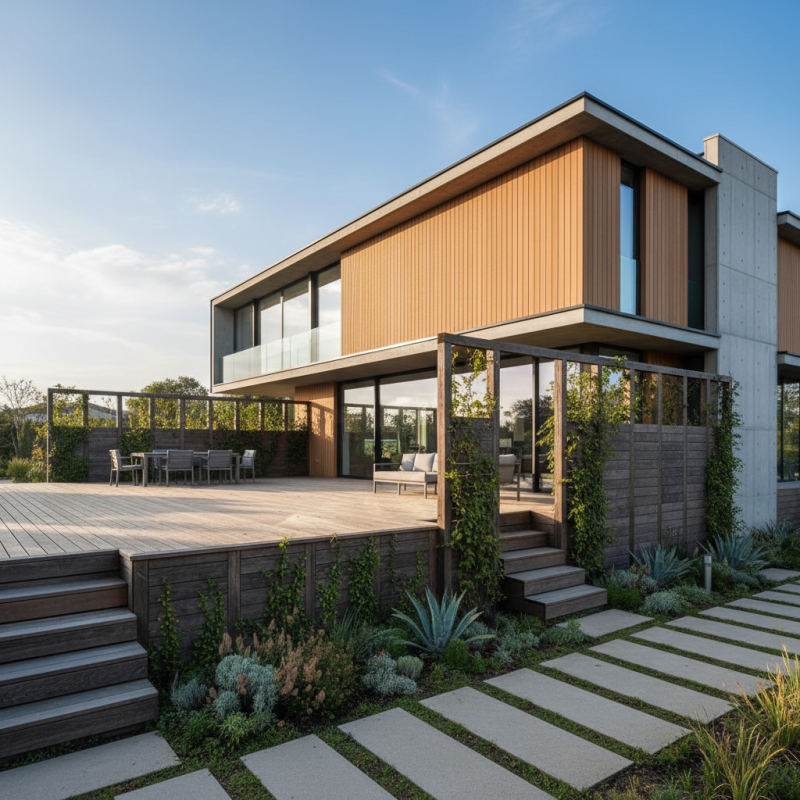
What is Panneau WPC and Why Choose It for Your Projects?
Panneau Wpc has gained much attention in recent years. Experts in the construction industry see its potential. John Smith, a leading expert in sustainable building materials, once stated, "Panneau WPC represents the future of eco-friendly design."
This innovative composite material blends wood fibers with recycled plastic, offering durability and versatility. Its resistance to moisture and pests makes it ideal for various applications. Designers are increasingly choosing Panneau WPC for decking, fencing, and cladding projects.
However, not all Panneau WPC products are created equal. Quality can vary widely among manufacturers. Selecting the right type is crucial for long-term performance. Reflecting on these aspects is essential for making informed choices.
What is Panneau WPC?
Panneau WPC, or Wood Plastic Composite, is an innovative material combining wood fibers and plastic. This composite offers durability while maintaining a natural wood appearance. It's becoming increasingly popular in various construction and design projects, thanks to its unique properties.
One of the standout benefits of Panneau WPC is its resistance to moisture. Unlike traditional wood, it won't warp or swell in humid conditions. This makes it ideal for outdoor applications like decking or fencing. Additionally, it requires less maintenance, saving time and money in the long run. The ease of installation is another factor that appeals to both contractors and DIY enthusiasts.
However, it's essential to consider the environmental impact. While Panneau WPC utilizes recycled materials, not all products are created equal. Some may still contain harmful additives. Potential buyers should research certifications and standards to ensure responsible sourcing. This due diligence can enhance the overall credibility and sustainability of any project.
The Composition and Structure of Panneau WPC
Panneau WPC, or wood-plastic composite, is a blend of wood fibers and plastic. This combination offers unique benefits that are increasingly appealing in various construction projects. The typical composition includes approximately 60% wood fibers, 30% recycled plastics, and 10% additives. This structure provides durability and versatility, making it suitable for decking, fencing, and cladding applications.
In a comprehensive market report, it was noted that the WPC industry is projected to reach $6 billion by 2027, driven by its growing popularity. The composite's resistance to moisture, insects, and decay makes it a reliable choice compared to traditional materials. However, some users report challenges with color fading and surface scratches over time, indicating a need for regular maintenance.
Tips: When selecting Panneau WPC, carefully consider the environment it will be used in. Look for products that offer UV protection and anti-slip properties, especially in wet climates. Understanding the material's limitations can lead to better performance in your projects. Additionally, be aware of installation guidelines; a poor installation can compromise its long-term durability.
Key Benefits of Using Panneau WPC in Construction
Panneau WPC stands out in modern construction due to its unique composition. Made from wood fibers and plastic, it combines the best of both materials. This blend offers durability and weather resistance. Projects involving outdoor decking or cladding can greatly benefit from this material. Its ability to withstand harsh environmental conditions makes it a popular choice among builders.
One of the key benefits of Panneau WPC is its low maintenance needs. Traditional wood requires regular staining and sealing. In contrast, WPC only needs occasional cleaning to maintain its appearance. This saves time and reduces costs over the lifespan of a project. Additionally, it is resistant to rot and insect damage, providing peace of mind for property owners.
Moreover, Panneau WPC is eco-friendly. Using recycled materials in its production helps reduce environmental impact. However, not all WPC products are created equal. It’s essential to research the sources of materials used. A lack of certification can lead to inconsistencies in quality. Investing in reliable options will ensure that your construction project succeeds without unforeseen issues.
Applications of Panneau WPC in Various Projects
Panneau WPC, or wood-plastic composite, is increasingly popular for diverse construction applications. Its primary appeal lies in durability and resistance to moisture. This material is particularly suitable for outdoor projects like decking and fencing. It withstands harsh weather conditions that can deteriorate traditional wood.
In landscaping, Panneau WPC is used for garden borders and raised beds. Its lightweight nature makes installation straightforward. Additionally, the composite is aesthetically pleasing, mimicking the look of natural wood. Many architects prefer it for commercial buildings. It is a reliable choice for both facades and outdoor seating areas.
However, some challenges exist. While Panneau WPC is low maintenance, it can fade over time. It's important to consider color retention when choosing it for projects. Moreover, installation requires precise cutting to avoid visible seams. This may add an extra layer of complexity to design plans.
Comparing Panneau WPC with Traditional Materials
Panneau WPC, or Wood-Plastic Composite, emerges as a versatile alternative to traditional materials like wood and vinyl. This composite combines wood fibers and thermoplastics. Often, it boasts greater durability and lower maintenance needs. Traditional wood, while aesthetically pleasing, is prone to rot and decay. In contrast, Panneau WPC resists moisture and insects, offering long-lasting performance.
When considering installation, Panneau WPC is lightweight and easy to work with. It can be cut and shaped without the risk of splintering. Traditional materials often require more intensive labor, which can increase project costs. For projects aimed at sustainability, Panneau WPC is made from recycled materials. This makes it a choice that aligns better with eco-friendly goals.
However, not all Panneau WPC products are created equal. It's essential to evaluate the specific product's composition and manufacturer practices. Some may still blend in less eco-friendly additives. Understanding these nuances is crucial for making informed choices. Choosing the right material requires careful consideration of the project needs and environmental impact.