What is Shrink Sleeves and How Are They Used in Packaging?

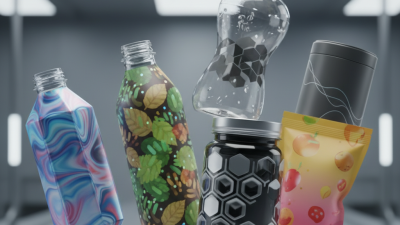
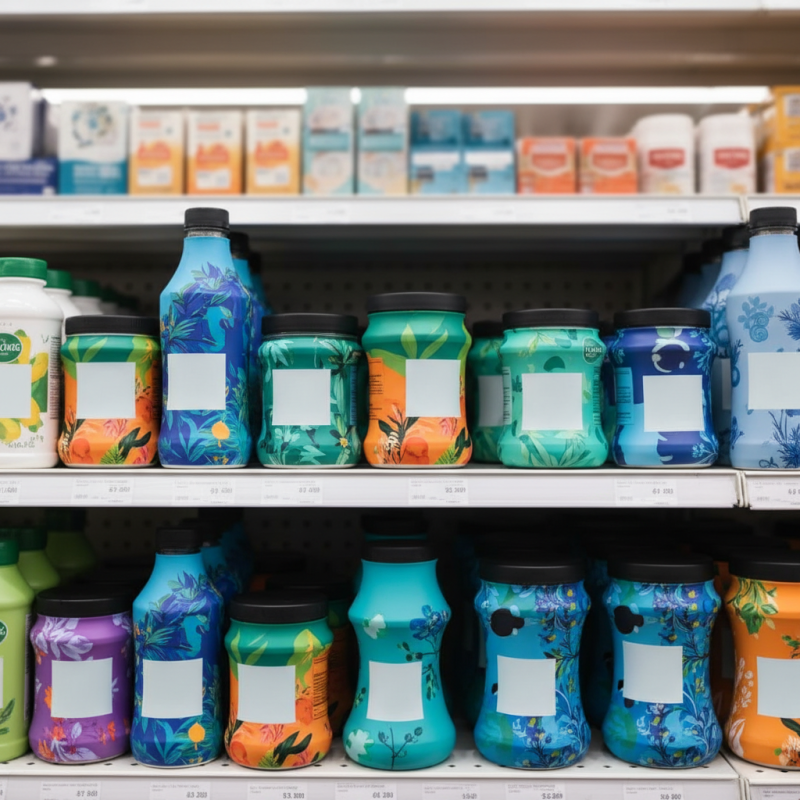
Shrink sleeves are gaining popularity in the packaging industry for their versatility and visual appeal. According to John Smith, a leading expert in shrink sleeve technology, “Shrink sleeves offer brands an opportunity to create eye-catching designs that wrap around products seamlessly.” This innovation allows packaging to conform perfectly to various container shapes, ensuring a snug fit.

Often made from elastic polymers, shrink sleeves provide a durable barrier against contaminants. The printing process on shrink sleeves offers vibrant colors and high-quality graphics. This capability makes products stand out on crowded shelves. However, some companies may overlook the significance of proper application, leading to imperfect and unappealing results.

Despite their advantages, shrink sleeves can pose challenges during the production process. Misalignment can cause waste and inefficiency. Industry professionals must recognize the importance of training and quality control in the installation phase. This ensures that shrink sleeves fulfill their potential without compromising the product’s presentation.
What is Shrink Sleeves and How Are They Used in Packaging?

What Are Shrink Sleeves?

What is Shrink Sleeves and How Are They Used in Packaging?

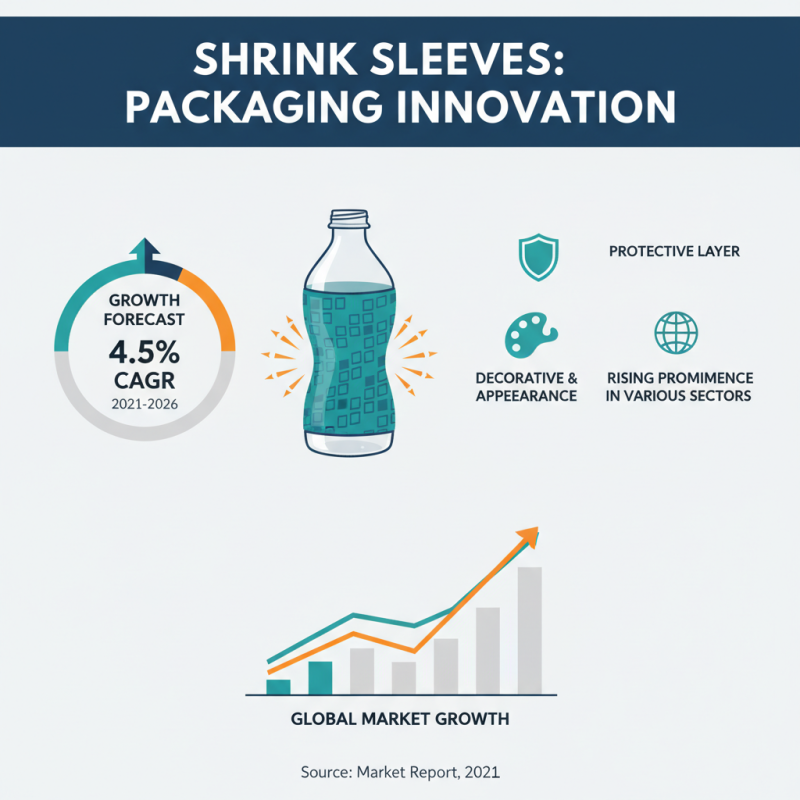
Shrink sleeves are a popular choice in the packaging industry. They are made from plastic materials that are heated to fit snugly around products. This method provides a protective and decorative layer that can enhance the look of the package. According to a recent market report, the global shrink sleeve label market is projected to grow at a CAGR of 4.5% from 2021 to 2026. Such data demonstrates their rising prominence in various sectors.

The versatility of shrink sleeves plays a key role. They are used on bottles, cans, and even food products. Their ability to conform to different shapes is unmatched. Packaging with shrink sleeves can also improve shelf appeal. They often feature vibrant graphics that attract consumers. However, not every company fully utilizes their potential. Some businesses overlook the importance of material selection. Using low-quality shrink films can detract from the product’s appearance.

Furthermore, the sustainability of shrink sleeves can raise questions. While some materials are recyclable, they may not always be disposed of properly. Companies need to be mindful of the environmental impact. Efforts to adopt eco-friendly materials are still in progress. Industry experts argue that this is a crucial step. Consumers are increasingly aware of packaging waste. Brands that ignore this trend may face backlash. The balance between aesthetics and sustainability remains a point of reflection for many.
Composition and Materials Used in Shrink Sleeves

Shrink sleeves are a popular packaging choice due to their adaptability and efficiency. Their composition often includes materials like PVC, PET, and OPS. Each material serves a distinct purpose, offering varying levels of durability and flexibility. For example, PVC is commonly used for lightweight products. On the other hand, PET provides better clarity and strength.

The manufacturing process involves heat and stretching. When heated, the shrink sleeve contracts tightly around the product. This snug fit enhances the appearance and secures the item inside. However, achieving the perfect balance in thickness and elasticity can be tricky. Some manufacturers may struggle with consistency in application. Inadequately applied sleeves may lead to wrinkling or tearing, impacting the overall presentation.

Environmental concerns stem from the use of certain materials. While some shrink sleeves are made from recyclable options, many are not. This creates challenges in sustainability. Companies face pressure to find eco-friendly alternatives. As they innovate, the promise of better materials may become a significant discussion point in the industry.

Usage of Shrink Sleeves in Packaging

The Shrinking Process: How Shrink Sleeves Are Applied

Shrink sleeves are versatile packaging solutions that conform tightly to product shapes. The shrinking process begins with heat application. Typically, the sleeves are made of PVC, PET, or OPS materials. Once applied, the sleeves provide a tight fit via heat, shrinking in size to contour to the product. This process improves product visibility.

According to industry reports, the global shrink sleeve labels market was valued at around $4 billion in 2020. It is projected to grow at a compound annual growth rate (CAGR) of 6% through 2027. This growth highlights the increasing preference among manufacturers for flexible packaging solutions.

Tip: Choose the right material based on the product type. Different products, like food and beverages, may require specific materials for safety.

During the shrinking process, it’s essential to monitor heat levels. Too much heat can cause damage. Too little means an incomplete fit. Also, using the correct equipment is crucial. Poor machinery can lead to inconsistent shrinkage, affecting the product’s appearance.

Tip: Regular maintenance of equipment ensures smooth functioning.

Adopting innovative shrinking techniques can help eliminate waste. However, some operations may struggle with efficiency. Tracking production processes can provide insights into areas needing improvement. This can enhance overall performance in shrink sleeve applications.

Common Applications of Shrink Sleeves in Packaging

What is Shrink Sleeves and How Are They Used in Packaging?

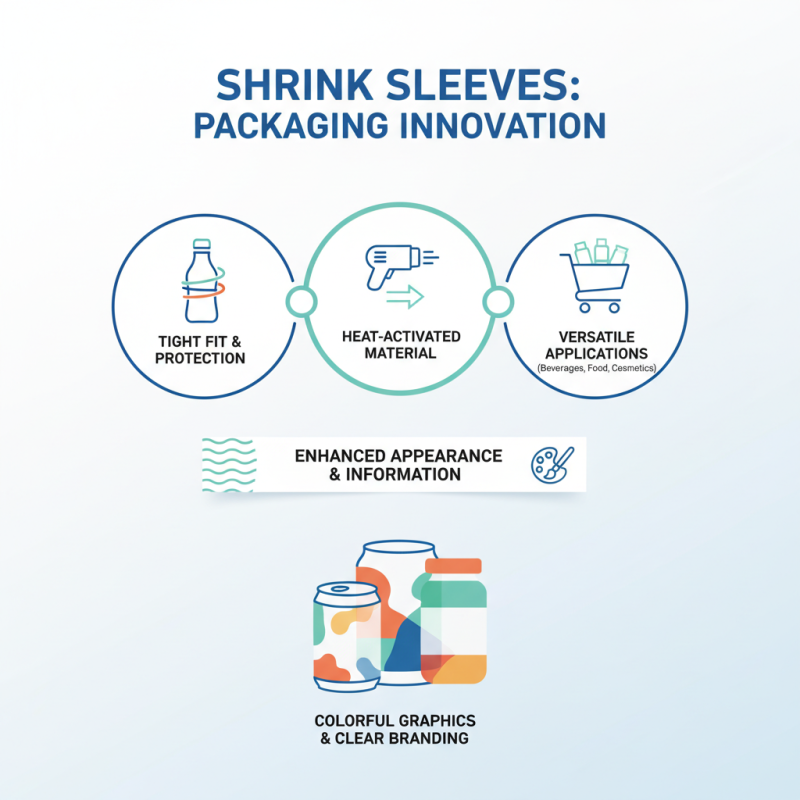
Shrink sleeves have become a popular choice in packaging solutions. They provide a tight fit around products, enhancing both appearance and protection. These sleeves are made from materials that shrink when heat is applied. Commonly, they are used on beverage containers, food jars, and personal care items. The design can showcase colorful graphics and information clearly.

In the food industry, shrink sleeves offer tamper-evident features. Consumers can instantly see if a product has been compromised. Many brands use them to promote freshness and quality. Likewise, in retail, these sleeves help items stand out on shelves. The bright colors can attract attention, but there's a risk. Sometimes, consumers feel overwhelmed by the designs, resulting in confusion.

Shrink sleeves also support multipack offerings. They hold multiple items together, which can save space. However, the challenge lies in waste management. After use, these materials may not break down easily. This raises concerns about environmental impact. Companies need to think critically about sustainable practices in their packaging choices.

Benefits of Using Shrink Sleeves for Product Packaging

Shrink sleeves are gaining popularity in product packaging. These are versatile and can conform to various shapes and sizes. They are made from polymer materials that shrink when heated. This feature allows for a snug fit over products, providing a seamless look.

One major benefit of shrink sleeves is the eye-catching graphics they can display. The entire surface can be printed in vibrant colors. This helps attract customer attention on store shelves. Additionally, shrink sleeves provide a tamper-evident seal. This feature enhances product security and boosts consumer confidence.

However, not all shrink sleeve applications are flawless. Sometimes, adhesion issues may arise during the shrinking process. This can lead to wrinkles or improper fits. Companies need to address these concerns to ensure quality. Choosing the right film thickness and heat settings is crucial. It’s an area that requires ongoing experimentation and adaptation.

Scroll to Top