What is Stainless Steel Floor Drain and Why Choose It?
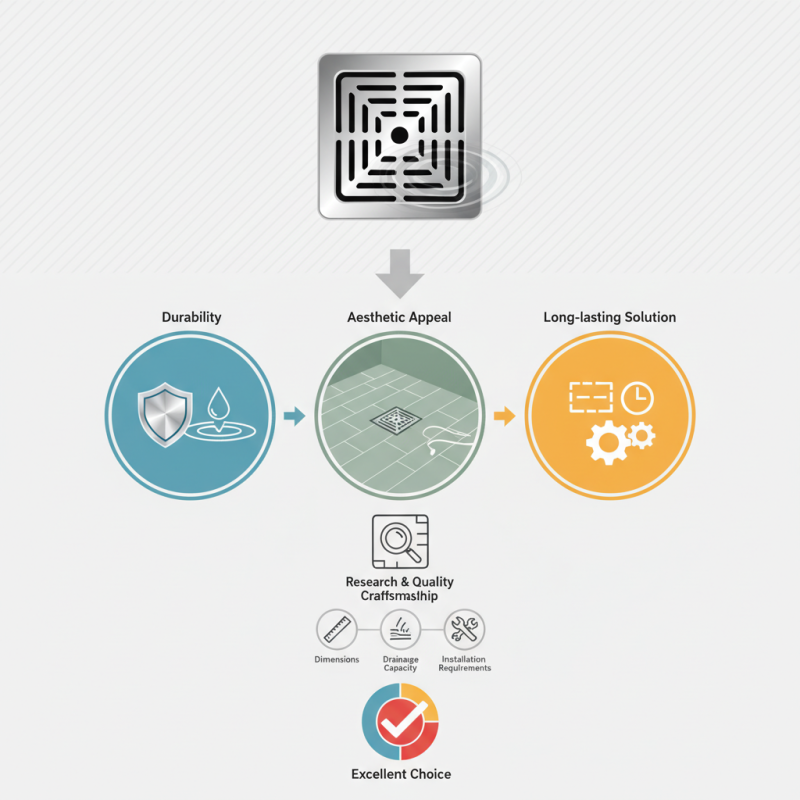
A Stainless Steel Floor Drain is more than just a functional necessity; it is a sophisticated addition to any space. Known for its durability and corrosion resistance, this type of drain provides reliability in areas prone to moisture. Its sleek design complements various interior styles, making it both practical and aesthetically pleasing.
Choosing a Stainless Steel Floor Drain means investing in a long-lasting solution. Many traditional drains fall short over time, causing unsightly leaks and costly repairs. This is where stainless steel shines. It endures heavy use and maintains its integrity under challenging conditions. However, not all products are created equal. It's crucial to research and select a drain that offers quality craftsmanship.
While the benefits are clear, potential buyers should reflect on their specific needs. Dimensions, drainage capacity, and installation requirements are essential factors. An ill-fitting drain can lead to significant issues. Therefore, careful consideration is vital. Ultimately, a Stainless Steel Floor Drain offers a blend of style, functionality, and resilience, making it an excellent choice for any home or commercial space.
What is Stainless Steel Floor Drain?
Stainless steel floor drains are an essential feature in many modern spaces. They are designed to efficiently remove excess water, minimizing the risk of water damage and mold growth. The durability of stainless steel ensures these drains can withstand high moisture environments without corroding or deteriorating over time. This makes them a reliable choice for both residential and commercial settings.
In terms of design, stainless steel floor drains offer a sleek, contemporary look that complements various flooring styles. They are available in several sizes and configurations, making it easier to find the right fit for your project. Installation can be straightforward, though it often requires precise alignment to function effectively. Some professionals may struggle with the installation process, leading to potential leaks or improper drainage.
Another important aspect is maintenance. Stainless steel drains are easy to clean, but they can still accumulate debris. This may lead to clogs if not regularly checked. Users must develop a routine to ensure optimal performance. The combination of aesthetics, durability, and ease of maintenance makes stainless steel floor drains a smart consideration for any building project.
Key Properties of Stainless Steel in Drain Applications
Stainless steel floor drains are essential for modern drainage systems. Their unique properties make them ideal for various applications, especially in commercial environments. The strength of stainless steel provides durability that withstands heavy foot traffic and wear over time. This material also resists corrosion, which is crucial in moist or wet environments.
Another key property is its aesthetic appeal. Stainless steel offers a sleek, modern look that complements numerous design styles. However, it's important to consider maintenance. While stainless steel is sturdy, it can show water spots or fingerprints. Regular cleaning can mitigate these issues but requires commitment from property owners.
Hygiene is paramount in areas like kitchens and bathrooms. Stainless steel is non-porous, making it easier to keep clean and free from bacteria. Selecting the right stainless steel grade is also vital. Different grades offer varied levels of resistance to chemicals and temperature extremes. Some users might overlook these factors, which could lead to premature deterioration. Understanding these aspects is crucial for anyone considering stainless steel for floor drains.
Advantages of Using Stainless Steel Floor Drains
Stainless steel floor drains are increasingly popular due to their numerous advantages. One key benefit is their durability. Unlike plastic options, stainless steel resists corrosion and rust, even in humid environments. This makes them ideal for bathrooms, kitchens, and commercial spaces where moisture is prevalent.
Another significant advantage is their aesthetic appeal. Stainless steel has a sleek, modern look that complements various designs. It is easy to clean, requiring minimal maintenance. However, some users might initially find the higher upfront costs concerning. The long lifespan, however, may justify this investment over time.
Functionality is also a major factor. Stainless steel floor drains provide efficient drainage, reducing the risk of water pooling and subsequent slip hazards. Nonetheless, the installation process can be complex. Proper knowledge and skill are essential to ensure effective drainage. Regular checks on the drainage system can help preserve its effectiveness and appearance.
What is Stainless Steel Floor Drain and Why Choose It? - Advantages of Using Stainless Steel Floor Drains
| Feature | Description | Advantages |
| Material | Made from stainless steel, which is durable and resistant to corrosion | Long-lasting and low maintenance |
| Design | Available in various designs suitable for different environments | Aesthetically pleasing and functional |
| Functionality | Effective water drainage without clogging | Prevents water damage and enhances safety |
| Hygiene | Easy to clean and maintain | Reduces bacteria buildup and improves sanitation |
| Versatility | Suitable for residential and commercial use | Adaptable to various settings like kitchens, bathrooms, and outdoor areas |
Industry Standards and Certifications for Stainless Steel Drains
When considering stainless steel floor drains, it's essential to understand the industry standards and certifications that ensure their quality and durability. Many manufacturers adhere to guidelines set by organizations such as ASTM International and IAPMO. These standards assess a drain's strength, corrosion resistance, and overall performance. Products meeting these benchmarks often guarantee reliable service, vital for maintaining hygiene and safety in various environments.
Certifications such as NSF and UPC provide additional trust. They validate that the materials used are safe and meet stringent health codes. In a world where trust in product performance is crucial, understanding these standards helps in making informed choices.
However, not all stainless steel drains claim these certifications. This divergence highlights the importance of verification. Always check for the latest certifications and standards before making a purchase. It can save you from future inconveniences related to liability and performance issues.
Comparative Analysis: Stainless Steel vs. Other Drain Materials
When examining different drain materials, stainless steel stands out due to its durability and resistance to corrosion. Unlike plastic or cast iron, stainless steel does not degrade over time. This material withstands harsh conditions, making it ideal for both residential and commercial environments. It also resists rust and staining, preserving its appearance significantly longer.
Comparatively, plastic drains might be cheaper, but they are prone to cracking and discoloration. Cast iron, while sturdy, can be heavy and more difficult to install. It also requires painting and regular maintenance to prevent rust. These factors contribute to the choices a homeowner or contractor must make. Often, the initial cost savings of alternative materials lead to higher long-term expenses due to repairs and replacement.
Stainless steel floor drains exhibit a sleek, modern look. This aesthetic appeals to many homeowners looking to enhance their space. However, the installation process isn’t always straightforward and requires skilled labor. Potential buyers should consider both their budget and the life cycle of their chosen drain material. Each option has pros and cons; thus, proper research is vital.