How to Start a Successful Packaging Business Today?
The packaging business is booming and ripe with opportunities. Renowned packaging expert John Doe once said, "Success in packaging requires innovation and deep understanding of your market." Today, aspiring entrepreneurs can carve their niche in this dynamic industry. They must stay informed about the latest trends and customer preferences.
Starting a packaging business might seem straightforward, but it demands careful planning. Entrepreneurs often overlook crucial aspects like materials, design, and sustainability. Choosing the right supplies can make a significant difference. Balancing creativity with practical needs is vital in this field. For instance, many businesses fail to consider eco-friendly options. This oversight can alienate environmentally conscious customers.
In a crowded market, differentiating your packaging business is crucial. The right branding can lead to success or inevitable failure. Entrepreneurs should not underestimate the power of package design. It communicates the essence of a product. However, remember that perfection is an illusion. Continuous improvement is necessary to thrive in this ever-evolving sector. Learning from mistakes can lead to valuable insights.

Understanding the Packaging Industry Landscape and Trends
The packaging industry is rapidly evolving. According to a recent report, it is expected to reach a market value of $500 billion by 2025. Sustainable packaging is a major trend. Many consumers prefer eco-friendly materials. Brands are responding by using biodegradable and recyclable options. This shift is driven by a growing awareness of environmental issues.
However, entering this market is not without challenges. Finding reliable sources for sustainable materials can be difficult. Many businesses struggle with balancing cost and quality. The demand for innovation is relentless. Companies must constantly adapt to new technologies and consumer preferences. In 2022, digital packaging solutions saw an increase of 22%, highlighting the need for modernization.
Understanding local and global regulations is crucial. Complex compliance requirements can hinder growth. Keeping up with trends is essential, but businesses must also reflect on their unique positioning. Differentiation is key in a saturated market. Packaging design should not only attract customers but also tell a story. It’s a balancing act that requires ongoing reflection and adjustment.
Packaging Industry Trends: Global Market Growth (2020-2025)
Identifying Your Niche and Target Market in Packaging
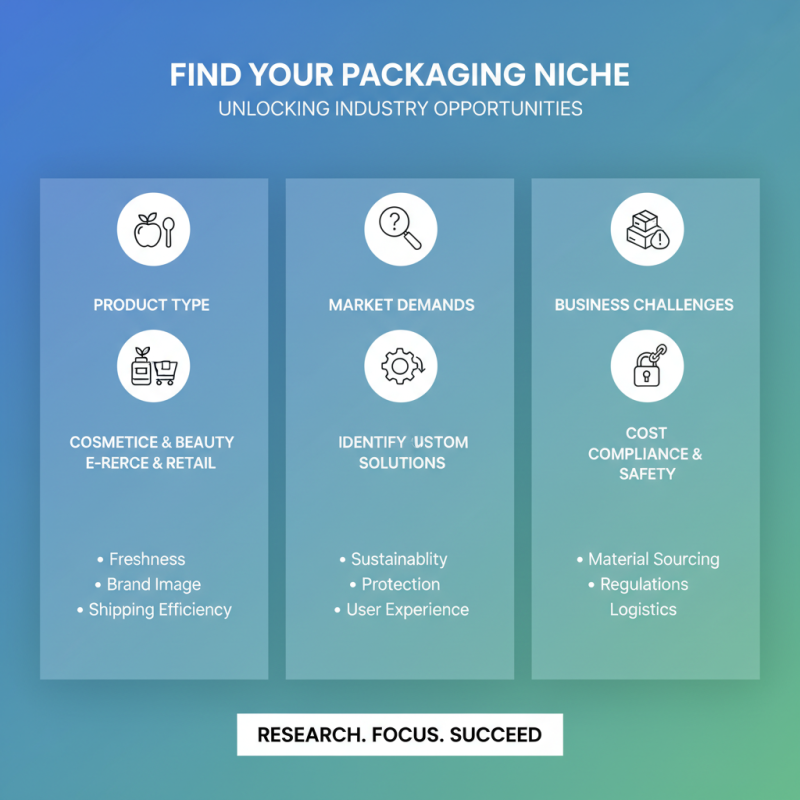
Finding your niche in the packaging industry is crucial. It involves understanding specific needs and preferences. Consider the type of products that require packaging. Are you focused on food, cosmetics, or e-commerce supplies? Each sector has unique demands. Researching these markets helps you identify gaps. What packaging challenges do businesses face?
Targeting your audience is equally important. Create profiles of potential customers. Do they prioritize sustainability or aesthetics? Engaging with potential clients through surveys can yield valuable insights. Your packaging solutions should address their pain points. However, it’s essential to remain flexible. Adapting to trends might reveal unexpected opportunities.
Demand can shift quickly. This can reveal both strengths and weaknesses in your approach. Monitor market changes continuously. Your initial assumptions may need reevaluation. Not every idea will resonate. Embrace feedback and learn from failures. In this evolving landscape, persistence is key, along with a willingness to pivot when necessary.
Choosing the Right Materials and Technology for Packaging
Choosing the right materials and technology for packaging can make or break your business. Recent studies show that about 72% of consumers prefer sustainable packaging. This trend highlights the importance of eco-friendly materials. Consider using biodegradable options like PLA or recycled paper. They can attract environmentally conscious customers and build loyalty.
Investing in technology is equally crucial. Automation can increase efficiency, but it may require a higher upfront cost. Studies indicate that automated packaging can reduce labor costs by up to 30%. However, not every business needs extensive automation. Evaluate your production scale to find the right balance.
Tip: Always test different materials. Gather feedback from customers about durability and aesthetics. It’s essential to avoid costs related to rejected packages. Explore local suppliers to cut transportation costs and reduce carbon footprint. You may discover that local options offer better quality and lower minimum orders. Be open to trial and error; it’s a learning process.
Promoting Your Packaging Business and Building Client Relationships
Promoting your packaging business is crucial for success. Effective marketing strategies can elevate your visibility in a competitive landscape. Research shows that about 70% of consumers perceive packaging as an important aspect of product quality. This highlights the need to create attractive, functional designs. Collaborate with designers who understand market trends. They can help reflect your brand's values through packaging.
Building client relationships is equally essential. Personalized communication can set you apart. In fact, studies indicate that businesses with strong client relationships can see sales growth of up to 20%. Establishing trust is key. Regular follow-ups and feedback requests improve loyalty. Remember, not every interaction will yield positive results. It’s vital to learn from setbacks and refine your approach accordingly.
Networking is another critical element. Attend industry events and trade shows. These are opportunities to connect with potential clients. Engaging in dialogue helps you understand client needs. This is where many businesses falter. They underestimate the power of genuine interaction. Focus on listening. Tailor your solutions to meet specific requirements, and watch your packaging business thrive.