What is a Stock Box and How to Choose the Right One for Your Needs
When it comes to organizing and storing items efficiently, stock boxes play a crucial role in both personal and professional settings. A stock box is a versatile storage solution that can help individuals and businesses keep their belongings orderly, making retrieval easy when needed. These boxes come in various sizes, materials, and styles, which allows users to choose the perfect option that fits their specific requirements. The sheer variety available in the market can, however, pose a challenge for those looking to make an informed selection.
In this guide, we will explore the different types of stock boxes and offer insights into how to choose the right one for your particular needs. Understanding the factors that influence your choice, such as size, durability, and intended use, is key to making the best decision. Whether you need stock boxes for moving, storing seasonal items, or organizing your workspace, selecting the right type can transform clutter into a cohesive and functional system. Join us as we delve deeper into the essentials of stock boxes and help you find the ideal solution for your storage challenges.

Understanding the Concept of a Stock Box
A stock box is a fundamental concept in the realm of investing,
serving as a designated compartment for managing various types of stocks. It acts as a portfolio or collection of stocks
that an investor may choose to hold based on specific criteria such as industry,
value, or potential growth. By understanding the stock box, investors can streamline their
investment processes and create more targeted approaches to their financial goals. This structured framework allows for easier
tracking of performance and helps mitigate risks associated with
stock market fluctuations.
When choosing the right stock box, it is essential to consider your investment objectives
and risk tolerance. Different stock boxes can be tailored to different
strategies, such as dividend-focused stocks, growth stocks,
or value stocks. Investors should also evaluate which sectors or industries align with their
interests and knowledge, as this familiarity can lead to more informed decision-making. Moreover, utilizing tools like stock analysis
platforms can aid in comparing performance metrics and industry trends, enabling investors to make educated choices and select the
most suitable stock box for their individual needs.
Key Features to Consider When Choosing a Stock Box
When selecting a stock box, the first feature to consider is size and capacity. Stock boxes come in various dimensions, catering to different storage needs. Depending on the volume and type of items you plan to store, it’s essential to choose a box that can adequately accommodate them without overcrowding. A well-sized box not only ensures efficient use of space but also makes it easier to access and organize your items.
Another critical feature to evaluate is the material of the stock box. Common materials include plastic, cardboard, and metal, each offering unique advantages.
Plastic boxes are durable and water-resistant, making them ideal for long-term storage or in environments prone to moisture. Cardboard boxes, while less durable, are often lightweight and biodegradable, suitable for temporary storage solutions. Metal boxes provide robust security and protection for valuable items.
Assessing the intended use, whether for storing documents, tools, or collectibles, will help you make an informed choice based on the material that best suits your requirements.
Types of Stock Boxes and Their Specific Uses
When choosing the right stock box, it is essential to understand the different types available and their specific uses. Stock boxes are categorized based on their material, design, and intended purpose. For instance, plastic stock boxes are widely preferred for their durability and water resistance, making them suitable for long-term storage of materials in various industries, including agriculture and manufacturing. According to a report by Smithers Pira, the global market for plastic packaging is expected to reach $549 billion by 2024, reflecting a significant shift toward more sustainable and reusable solutions in the packaging sector.
Another common type is the cardboard stock box, which is increasingly popular for e-commerce and shipping needs. These boxes are lightweight, cost-effective, and easily customizable, catering to various product dimensions. Research from MarketsandMarkets indicates that the e-commerce packaging market could grow from $32.4 billion in 2021 to $45.5 billion by 2026, driven by the growing demand for convenient and eco-friendly options. Additionally, specialized stock boxes, such as cold chain boxes for temperature-sensitive products, are gaining traction in the pharmaceutical and food industries, ensuring compliance with safety regulations while maintaining product integrity.
Identifying the right stock box hinges on understanding your specific requirements, such as product dimensions, weight, and the environmental conditions they will face during storage or transit. Careful consideration of these factors, along with an awareness of market trends and material properties, will ultimately lead to a more efficient and sustainable packaging solution tailored to your needs.
What is a Stock Box and How to Choose the Right One for Your Needs
| Type of Stock Box |
Specific Uses |
Material |
Size Options |
Price Range |
| Plastic Stock Box |
Storage of small parts, tools, and hardware |
Polypropylene |
Small to large (typically 3L to 30L) |
$5 - $50 |
| Cardboard Stock Box |
Shipping and moving items |
Corrugated cardboard |
Variety of sizes (standard box sizes are common) |
$1 - $20 |
| Wooden Stock Box |
Storage of valuable items, collectibles, or as decorative storage |
Plywood or solid wood |
Small to medium (custom sizes available) |
$15 - $200 |
| Metal Stock Box |
Industrial storage, tools, and heavy-duty items |
Steel or aluminum |
Variety of sizes (customized upon request) |
$20 - $300 |
| Stackable Storage Box |
Organizing items in limited space, easy access |
Plastic |
Different size options for stacking |
$10 - $60 |
Factors Influencing Stock Box Selection Based on Needs
When selecting a stock box, several key factors must be considered to ensure it meets your specific needs. First and foremost, assess the purpose of the stock box. Are you looking to store materials, organize merchandise, or manage inventory for a business?
Understanding the primary function will guide your choice in terms of size, material, and design. For instance, if you require a stock box for heavy-duty storage, opting for a reinforced structure may be essential, while lighter materials suffice for more straightforward organizational purposes.
Another critical factor is the available space. Evaluate the dimensions of the area where the stock box will be kept. It's crucial to consider not only the height and width but also the depth, as this will impact accessibility and usability.
Additionally, look into the ease of transport and whether mobility is a factor; some stock boxes come with handles or wheels, making them more convenient for movement. Finally, think about any specific requirements you may have, such as weather resistance or stackability, to ensure your selection aligns with your operational needs effectively.
Maintenance and Care Tips for Stock Boxes
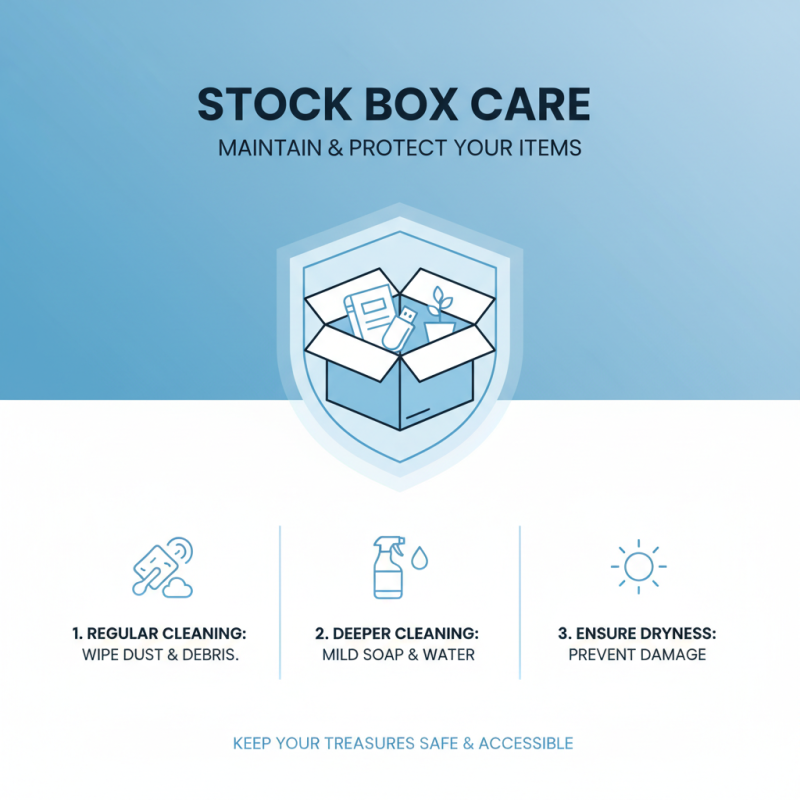
Maintaining a stock box is crucial for ensuring your items remain in good condition and are easily accessible when needed. Regular cleaning is an essential part of stock box maintenance. Dust and debris can accumulate inside, potentially damaging sensitive items or reducing the box’s lifespan. Use a soft, dry cloth to wipe down both the interior and exterior surfaces of the box. For more thorough cleaning, consider using a mild detergent and water, ensuring that the box is completely dry before storing any items.
Additionally, regular inspections can help identify wear and tear before it becomes a bigger issue. Check for signs of damage, such as cracks, broken hinges, or worn-out seals, that might compromise the box's integrity. Repair or replace any damaged components promptly to protect your contents. It's also a good idea to organize the items inside the stock box systematically, which not only maximizes space but also facilitates easier access. By implementing these maintenance and care tips, you can prolong the life of your stock box and keep its contents safe and organized.