
Top 10 Carry Out Box Suppliers in China

Carry Out Box suppliers in China serve restaurants, takeaway brands, caterers, and food producers with packaging in many shapes and materials. A suitable box must do more than look neat. It should hold its shape, close securely, and fit the food without wasting storage space. A soup container needs different protection from a flat box for fried rice or pastries. Small details matter. A lid that slips during delivery can turn a good meal into a poor customer experience.

This introduction to the top 10 suppliers considers practical factors such as product range, customization options, material information, manufacturing capacity, and communication. These points can help buyers narrow their choices, but a ranking is not a guarantee of quality. Catalogs may look impressive; samples and clear specifications are more useful. Ask about dimensions, coating, printing, order quantities, lead times, and packing methods before making a decision. Paper tells only part of the story. Performance also depends on food temperature, moisture, transit time, and how boxes are stacked. Suppliers’ capabilities can change, and public information may not answer every question. Treat this list as a starting point, request current samples, and confirm important details directly. That extra check takes time, but it can prevent costly surprises.
Top 10 Carry Out Box Suppliers in China

What Carry-Out Boxes Are and Where They Are Used

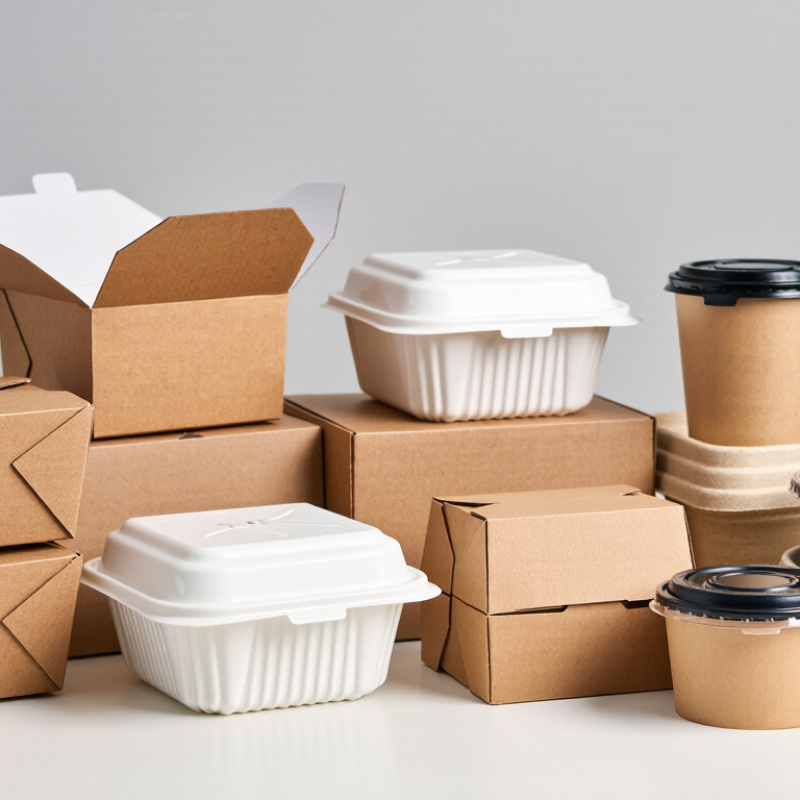
Carry-out boxes are containers designed to hold prepared food while it travels from a kitchen to another location. They may be made from paperboard, molded fiber, or plastic, with shapes suited to meals such as noodles, salads, and baked goods. Some have separate compartments; others use one open space. A secure lid helps limit spills, but it cannot compensate for food packed carelessly. Often, they travel far.

Restaurants, cafés, food trucks, and grocery counters use these boxes for takeaway orders and delivery. A noodle shop might need a leak-resistant base, while a bakery may choose a shallow box that protects pastries from being crushed. For hot meals, ventilation can reduce trapped steam and help preserve texture. For cold dishes, a snug closure can keep ingredients in place. The right choice depends on portion size, food temperature, and how long the meal will be carried. It also helps to test a sample with the actual menu: a box that looks sturdy on a shelf may soften under a saucy meal. That detail is easy to overlook. When comparing suppliers in China, buyers can ask for material specifications, food-contact documentation, and samples before placing a large order.

How China’s Carry-Out Box Supply Market Is Structured

China’s carry-out box supply market is organized around material makers, converting factories, and sales channels. Many suppliers buy paperboard or molded-fiber stock, then print, cut, fold, and glue boxes to order. Larger factories often handle repeat orders and automated production. Smaller converters may offer lower minimum quantities and quicker design changes. The split is not always clear: some trading companies coordinate production across several workshops.

Industry figures show the scale, but not the exact carry-out box segment. China Packaging Federation statistics reported roughly 1.15 trillion yuan in revenue for the wider packaging industry in 2023. The China Paper Association recorded 141.35 million tonnes of paper and paperboard production that year. These figures provide context, not a direct measure of food-box supply. The picture is imperfect.

For buyers, supplier comparisons usually turn on board weight, grease resistance, printing consistency, and delivery capacity. A sample can look sturdy on a desk, yet soften under hot food or trapped steam. Ask how the factory checks dimensions and coating uniformity, and request test samples from the actual production line. Regional sourcing can reduce transit time, but seasonal order peaks may still delay dispatch. Quoted prices also depend on box size, print coverage, order volume, and packing method. A low unit price may hide costly shipping or excess packaging.

Top 10 Carry-Out Box Suppliers in China: How the Supply Market Is Structured

A typical supply chain moves from packaging materials to conversion, forming, quality control, and distribution. The chart shows the order of these functions, not supplier counts or market shares. One supplier may handle several stages.

Key Criteria for Evaluating Carry-Out Box Suppliers

Top 10 Carry Out Box Suppliers in China

Choosing a carry-out box supplier takes more than comparing unit prices. Check the material, board thickness, and coating against the food you actually pack. A box for oily noodles may soften faster than one used for dry pastries. Ask for samples and test them with hot, moist food for a realistic holding period. Looks matter. Review written specifications, production tolerances, and batch traceability so repeat orders match the approved sample.

Tips: Ask for food-contact documentation and clear test details. Confirm whether quoted prices include printing, tooling, and packing. Compare like with like.

Production capacity and lead time should fit your order size and seasonal demand. Ask how the supplier handles defects, delayed shipments, and changes to artwork. A polished sample can still perform poorly after stacking or during delivery, so test filled boxes under those conditions. Sustainability claims also need evidence; request material details rather than relying on broad labels. Communication is another useful measure. If answers about dimensions or tolerances stay vague, that is worth noting, even when the price looks attractive.

Profiles of 10 Carry-Out Box Suppliers in China

These ten profiles reflect common carry-out box suppliers in China. Supplier 1 focuses on kraft paper boxes for cafés, with practical fold-flat designs. Supplier 2 offers coated paperboard cartons suited to saucy meals. Supplier 3 specializes in molded-fiber containers, valued for their sturdy feel. Supplier 4 handles custom-printed boxes and may require larger minimum orders. Supplier 5 makes compartment trays for meals with separate sides. Supplier 6 supplies plain, budget-conscious cartons for high-volume takeaway businesses.

Supplier 7 produces grease-resistant paper boxes for fried foods, though buyers should request samples with their actual menu items. Supplier 8 offers microwave-suitable containers; confirm performance with the intended heating time. Supplier 9 focuses on small-batch customization, often with fewer shape options. Supplier 10 provides mixed packaging ranges, which can simplify purchasing but may mean less specialization. Production capacity and quality vary. A polished sample is not proof that every shipment will match it.

Tips: Ask for box dimensions, material details, sample lead time, and written order specifications. Test for leaks, lid fit, and stacking stability. Get several samples. Small differences matter. Keep a record of approved samples and agreed tolerances before placing a bulk order.

Top 10 Carry Out Box Suppliers in China - Profiles of 10 Carry-Out Box Suppliers in China

These are representative supplier capability profiles, not verified company records or a ranked list. Confirm product availability, specifications, food-contact documentation, pricing, and production capacity directly with each prospective supplier.

Profile Typical Carry-Out Box Focus Common Material Options Customization to Discuss Key Buyer Checks
01 · Folding-carton specialist Foldable takeaway cartons for meals, snacks, and bakery items Paperboard; food-contact suitability depends on the board, coating, and intended use Dimensions, locking tabs, print, window, grease-resistant treatment Request material specifications, sample cartons, and applicable food-contact test documentation
02 · Corrugated-box specialist Sturdier takeaway and meal-delivery boxes, including multi-item packs Corrugated board with paper liners; grades and flute construction vary by specification Board grade, flute, dividers, handles, printing, box structure Check compression and stacking needs, delivery conditions, and packaging dimensions
03 · Kraft-paper box specialist Kraft-style cartons for takeaway meals, fried foods, and casual dining Kraft paper or paperboard; coatings and barriers are product-specific Kraft shade, carton size, closure, print, grease or moisture barrier Verify barrier performance for the actual food, temperature, and holding time
04 · Molded-fiber packaging specialist Clamshells, trays, and hinged containers for takeaway meals Molded plant-fiber pulp; source fiber and added treatments should be confirmed Compartment layout, lid fit, surface finish, product dimensions Request food-contact evidence and confirm heat, oil, and moisture performance
05 · Bagasse-product specialist Fiber-based hinged meal boxes, plates, and food trays Bagasse fiber and other specified plant-fiber blends Compartments, dimensions, lid design, color, surface treatment Confirm composition, intended-use limits, and applicable market compliance documents
06 · Coated-paperboard specialist Paper-based cartons for foods that may require grease or moisture resistance Paperboard with a specified barrier or coating; construction varies by use Barrier type, carton structure, print, window, closure style Ask about coating composition, recyclability claims, and food-contact test scope
07 · Plastic food-container specialist Rigid takeaway containers and lids for hot, cold, or prepared foods Food-contact plastic resins; resin and temperature suitability must be specified Container volume, compartments, lid fit, color, sealing options Verify resin identification, temperature limits, and destination-market requirements
08 · Custom-print packaging specialist Printed takeaway cartons and boxes designed around a buyer's artwork Paperboard or corrugated board, depending on the required box structure Artwork, colors, finishes, structural design, print placement Approve a production proof and check ink and coating suitability for the intended application
09 · Food-service packaging range supplier Coordinated boxes, trays, lids, and other takeaway packaging formats May include paper, molded fiber, or plastic products; confirm each item individually Matching sizes, product assortment, packing configuration, private-label artwork Check whether products are made in-house or sourced, and request item-level specifications
10 · Export-oriented packaging supplier Carry-out packaging prepared for buyer-defined export and labeling needs Material depends on the selected box; confirm composition and construction per item Export carton packing, labels, language, artwork, shipment configuration Verify destination-market rules, test reports, shipping terms, and export documents

For China food-contact requirements, ask the supplier to identify the applicable standards and provide documentation for the specific material and intended use. Requirements differ by product and destination market.

How to Compare Suppliers and Verify Their Capabilities

When comparing carry out box suppliers in China, ask for evidence, not polished catalog photos. Smithers’ The Future of Global Packaging to 2028 valued the global packaging market at about $1.17 trillion in 2023, with continued growth projected. That scale makes supplier claims easy to repeat and harder to verify. Request current production capacity, typical lead times, and monthly output records. Then compare the figures with your order volume and seasonal peaks.

Test the actual box. Check dimensions, board weight, closure fit, and leakage with the food, temperature, and holding time you expect. Ask for test methods, recent batch records, and applicable food-contact documentation. European Environment Agency data reports that EU packaging waste reached 188.7 kilograms per person in 2021, making material claims worth checking carefully. Request the material specification and any supporting test report; do not rely on “eco-friendly” wording alone. A factory visit or live video walkthrough can reveal storage conditions and production flow. Small details matter. I would also leave room for doubt: a clean sample does not prove every production batch will match. Compare samples with pre-shipment inspection results before committing to a large run.

Scroll to Top