Top 10 Biodegradable Fruit Stickers You Need to Know?
As sustainability becomes a pressing concern, the demand for biodegradable fruit stickers is on the rise. These innovative labels provide an eco-friendly alternative to traditional plastic stickers, which contribute to the growing problem of waste. Biodegradable fruit stickers are made from materials that decompose naturally, reducing environmental impact.
In today’s market, several brands offer biodegradable options. However, many consumers are unaware of their existence. Choosing biodegradable fruit stickers helps support sustainable agriculture and reduces pollution in landfills. The shift to these stickers can also promote better practices among food suppliers.
Despite their benefits, there can be downsides and challenges. Not all biodegradable options perform equally, and some may not attach well to various fruit types. It’s crucial to research and choose wisely. Understanding these elements makes it easier to make informed decisions that align with eco-friendly goals.
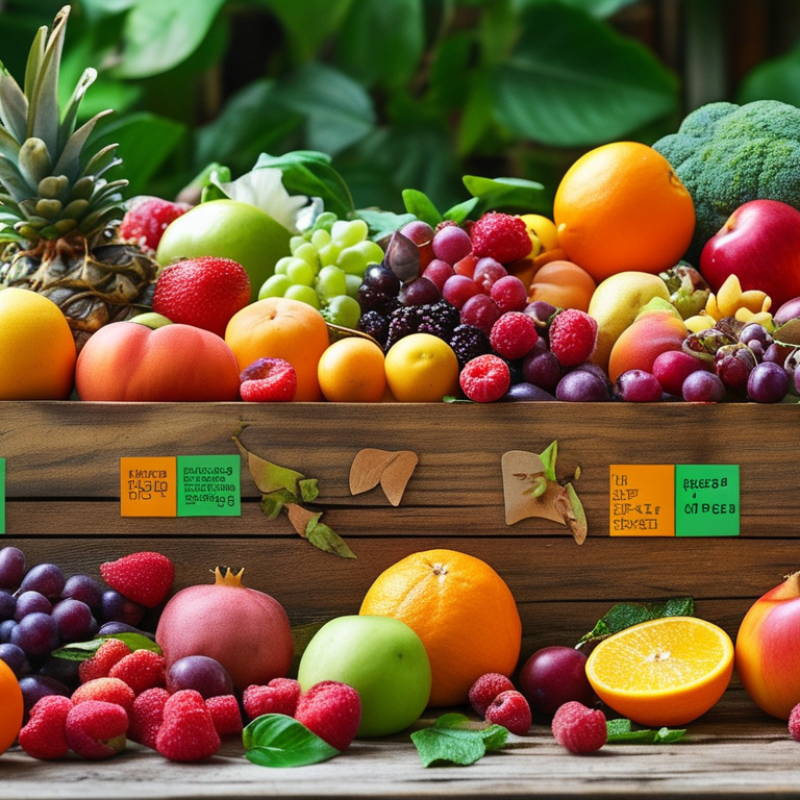
Understanding Biodegradable Fruit Stickers: An Overview
Biodegradable fruit stickers are gaining attention for their eco-friendly benefits. These stickers break down naturally, reducing plastic waste. According to a recent report by the bioplastics industry, the demand for biodegradable materials is projected to reach $18.3 billion by 2026. This growth signifies a shift toward sustainable packaging solutions in the food industry.
Manufacturers are exploring materials like cellulose and plant-based polymers. These options offer similar durability to traditional stickers. However, challenges remain in ensuring adhesion and visibility. Research shows that consumers prefer products with clear labeling indicating sustainability. Without this information, shoppers may overlook these environmentally friendly options.
Tips: When selecting biodegradable fruit stickers, check for certifications. Look for labels such as "compostable" or "biodegradable." These indicators ensure you are making a responsible choice. Consider how these stickers interact with your produce. They should remain intact without affecting freshness. Making informed choices contributes to environmental health.
Importance of Sustainable Packaging in the Food Industry
Sustainable packaging is becoming essential in the food industry. More consumers demand eco-friendly solutions. Reports indicate that over 70% of shoppers prefer brands that prioritize sustainability. This growing preference influences purchasing decisions.
Biodegradable fruit stickers are a solution we need to consider. Traditional stickers contribute to plastic waste. In contrast, biodegradable options decompose naturally. A study by the Ellen MacArthur Foundation found that packaging waste accounts for almost 30% of global plastic pollution. Shifting to biodegradable materials can reduce this impact significantly.
However, challenges remain. Not all biodegradable stickers perform equally. Some may not decompose effectively, especially in typical landfills. Ongoing research is crucial to develop better materials. There’s a gap between consumer awareness and the actual benefits of these products. Addressing these issues will enhance the overall effectiveness of sustainable packaging in the food industry.
Top Features to Look for in Biodegradable Fruit Stickers
When choosing biodegradable fruit stickers, certain key features can make all the difference. Look for materials like PLA (polylactic acid), a corn-based biopolymer, which ensures compostability. According to the Biodegradable Products Institute, products made from PLA can typically break down within 90 to 180 days in industrial composting facilities. This time frame is crucial, especially for perishable products like fruits.
Adhesive quality is another important factor. Stickers that use water-based or plant-based adhesives often adhere better to various surfaces without harming the environment. Reports indicate that traditional adhesives can take years to decompose. This is a key concern as consumers become more eco-conscious. Testing the durability of these stickers is essential. They should withstand transportation but also reveal no residue when removed.
Moreover, look out for labels confirming biodegradability and compostability. Certifications from recognized organizations add credibility. The market's demand for sustainable packaging is growing, with 60% of consumers stating they prefer eco-friendly options. While many biodegradable options exist, some still require a balance between usability and environmental impact. Weighing these features can guide better purchasing decisions for a greener future.
Top 10 Biodegradable Fruit Stickers - Key Features Comparison
Comparison of Popular Biodegradable Fruit Sticker Brands
In recent years, consumers have become increasingly aware of the environmental impact of packaging materials. Biodegradable fruit stickers offer a promising alternative to traditional plastic stickers, which can take decades to decompose. A report from the Biodegradable Products Institute indicates that biodegradable materials can break down in six months to two years under the right conditions. This makes them an attractive option for eco-conscious shoppers.
When comparing popular biodegradable fruit sticker brands, it's essential to look at the materials used. Many brands utilize plant-based polymers that are not only biodegradable but also compostable. Studies have shown that these materials can reduce waste significantly. One analysis revealed that adopting biodegradable options could decrease landfill contributions by up to 30%. However, some products still struggle with adhesion and durability, raising questions on their effectiveness in real-world conditions.
Another aspect to consider is the certification of biodegradable stickers. Some brands may claim to be biodegradable but lack proper certifications. Transparency is crucial; not all biodegradable materials are created equal. Sampling products can lead to mixed results, with some sticking well to various fruits while others may falter. The industry needs to improve on reliability and consistency for consumers to fully embrace these eco-friendly alternatives.
Top 10 Biodegradable Fruit Stickers You Need to Know
| Sticker Type | Material | Adhesive Type | Composting Time | Water Resistance |
| Fruit Sticker A | PLA (Polylactic Acid) | Water-based | 90-180 days | Yes |
| Fruit Sticker B | Sugarcane | Natural | 60-120 days | No |
| Fruit Sticker C | Paper | Acrylic-based | 30-90 days | Yes |
| Fruit Sticker D | Corn Starch | Biobased | 180-365 days | No |
| Fruit Sticker E | Wood Pulp | Hot Melt | 60-180 days | Yes |
| Fruit Sticker F | Recycled Paper | Natural | 90-120 days | No |
| Fruit Sticker G | Bamboo Fiber | Water-based | 120-200 days | Yes |
| Fruit Sticker H | Hemp Fiber | Natural | 180 days | Yes |
| Fruit Sticker I | Cotton Paper | Acrylic-based | 60-150 days | No |
| Fruit Sticker J | Plant-based | Biobased | 90-180 days | Yes |
Future Trends in Biodegradable Packaging Solutions for Fruits
As the world increasingly prioritizes sustainability, biodegradable packaging for fruits is gaining momentum. These innovative solutions are designed to reduce plastic waste. Brands are experimenting with various materials, including plant-based films and compostable papers. These alternatives offer both protection and environmental benefits.
When choosing biodegradable fruit stickers, consider their material source. Make sure they break down naturally and do not leave harmful residues. The disposal process is crucial. If a sticker isn’t compostable at home, it defeats its purpose.
Tips: Look for third-party certifications to ensure the stickers meet standards. Pay attention to how the stickers are applied; a sturdy adhesive can hinder biodegradation. Be wary of “biodegradable” labels; not all products decompose in the same timeframe. The future is bright, but challenges remain in making these packaging solutions accessible and affordable.