Top 10 Brown Paper Types for Global Buyers to Consider?
The significance of choosing the right type of Brown Paper cannot be overstated in today’s packaging and eco-friendly markets. As an industry expert, Dr. Emily Greene, a senior researcher at the Institute of Sustainable Packaging, emphasizes, “The choice of Brown Paper impacts both environmental sustainability and product integrity.” This insight sheds light on the varying qualities and applications of Brown Paper available globally.
Within this diverse landscape, global buyers must navigate through numerous options. Each variety serves distinct purposes, from food packaging to craft projects. However, buyers often overlook the nuances of these types. For instance, not all Brown Paper withstands moisture or weight efficiently. Misunderstanding these properties can lead to significant product failures, ultimately affecting a brand’s reputation.
Furthermore, there is a growing demand for sustainable options. Consumers increasingly prioritize eco-friendly materials. Brown Paper, often made from recycled materials, can meet these expectations. Yet, the market is rife with misleading claims, leaving buyers confused. A well-informed choice is crucial to balancing quality and sustainability.
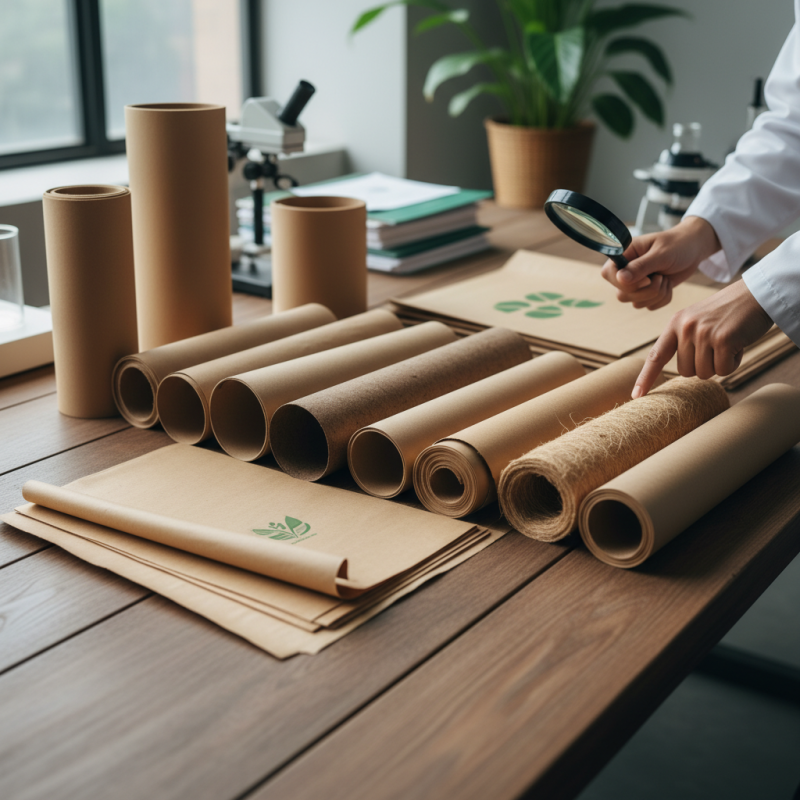
Types of Brown Paper Based on Weight and Thickness Measurements
Brown paper comes in various types, defined by weight and thickness. One common measurement is its basis weight, which determines its strength and durability. For example, light brown paper typically has a basis weight of around 30 to 50 pounds. This makes it suitable for packaging lightweight goods or crafting. It’s not the strongest option but is cost-effective for many projects.
Heavier varieties, such as 70-pound brown paper, offer increased thickness. These papers are more robust and suitable for shipping and wrapping items that require extra protection. They are less flexible than their lighter counterparts, leading to potential challenges in certain applications. Buyers should weigh these factors based on their project needs.
Another consideration is the paper's texture. A smooth finish may be ideal for printing or writing, while a rougher texture works well for craft projects. The choice often depends on personal preferences and intended uses. This complexity highlights the need for careful evaluation when selecting brown paper types. Buyers should be aware of their specific requirements to avoid choosing the wrong kind.
Comparison of Brown Paper Materials: Kraft, Recycled, and Others
When considering brown paper types, Kraft and recycled options often stand out. Kraft paper is known for its durability and strength. It’s made from virgin wood pulp, making it ideal for packaging heavy items. The natural fibers provide a rustic look that many consumers find appealing.
Recycled paper, on the other hand, offers an eco-friendly advantage. It’s made from post-consumer waste, reducing the need for new resources. While it may not be as strong as Kraft, it’s suitable for light to moderate applications. This paper type often comes at a lower cost, making it an attractive option for budget-conscious buyers.
Tips: Always check the weight and thickness. This will impact performance and cost. Consider what you’re packaging. Certain papers may suit specific products better. Don't forget to evaluate sustainability practices. Some suppliers prioritize eco-friendly options more than others. A return to simpler materials can reflect a brand’s commitment to the environment. Each paper type has its unique pros and cons, so careful consideration is key.
Applications of Brown Paper in Packaging and Crafting Industries
Brown paper is versatile and widely used in packaging and crafting. Its applications range from gift wrapping to protecting fragile items. This eco-friendly material appeals to many consumers, supporting sustainability.
In the packaging industry, brown paper offers excellent durability and strength. It reduces breakage for delicate products. Many businesses use it for eco-conscious branding. It can be printed with designs to enhance visual appeal.
When it comes to crafting, brown paper is a favorite for DIY projects. It’s easy to manipulate and can be painted or stamped. You can create custom cards or decorations with minimal supplies.
Tips: Consider exploring different textures of brown paper. Each type brings unique characteristics that can inspire creativity. Don't hesitate to experiment with layering, cutting, or folding techniques. Embrace the imperfections in your projects; they often lead to unique outcomes.
Environmental Impact and Sustainability of Brown Paper Types
When considering the environmental impact and sustainability of brown paper types, many factors come into play. Brown paper, often made from recycled materials, can significantly reduce waste and the need for virgin pulp. This reuse of fibers lessens the pressure on forests and contributes to a more circular economy. The production process for many brown papers tends to consume fewer resources compared to their bleached counterparts. Yet, this is not a universal truth; some methods can still harm the environment.
Carbon footprint is another important aspect. The energy consumed in manufacturing varies widely across different brown paper types. While some production methods prioritize sustainability, others may still rely on fossil fuels. The variability in sources highlights that not all brown papers are created equal. Environmental certifications can provide indicators of a product's sustainability but are not always foolproof.
Recycling infrastructure also plays a critical role. Not all communities have efficient systems to process brown paper, leading to waste. Additionally, the durability of brown paper can pose challenges for reuse and recycling, especially if it's contaminated. These issues necessitate continued reflection on consumer choices and industry practices. Encouraging responsible sourcing and better recycling methods can foster improvements in this segment. Always ask how your choices impact the planet’s health.
Market Trends and Innovations in Brown Paper Production
The market for brown paper continues to evolve, driven by sustainable practices and innovative production techniques. Global buyers are increasingly seeking products that use recycled materials. This shift not only addresses ecological concerns but also meets rising consumer expectations for sustainability. More manufacturers are investing in technology to enhance the quality of brown paper. This is vital as it allows for diverse applications across various industries.
Innovations in production methods are also worth noting. Some companies are adopting digital printing techniques. This reduces waste and enhances customization. Brown paper now caters to artistic and functional demands simultaneously. The implementation of eco-friendly coatings is another trend, improving durability without compromising recyclability. These changes signify a broader commitment to sustainability while addressing different market needs.
Not all innovations are perfect, though. Some manufacturers struggle with balancing cost and quality. It's a complex issue requiring ongoing reflection. The demand for uniqueness can sometimes clash with traditional production methods. Greater focus on research and development could help bridge these gaps. Understanding market demands remains essential for those involved in brown paper production.