
What Are the Best China Carton Packaging Suppliers?
Choosing among China carton packaging suppliers requires more than comparing prices and glossy product catalogs. A reliable partner should understand board grades, flute structures, printing limits, and the practical demands of international shipping. Carton packaging must protect products through stacking, vibration, humidity, and repeated handling. A box may look attractive on a sample table, yet fail after several days in a damp warehouse.
This guide examines suppliers through measurable evidence and direct communication. Useful checks include factory capability, material sourcing, production capacity, quality-control procedures, and export experience. Ask for samples made with the same paper grade and construction as your planned order. Inspect the crease lines, corner strength, print registration, and glue performance. A simple drop test can reveal more than a sales presentation. Request clear tolerances, inspection records, packaging details, and realistic lead times before signing an agreement.
No supplier is perfect.
Cost matters, but it should not replace consistency. A low quotation may exclude tooling, testing, stronger board, or protective packing. It may also reflect assumptions that were never discussed. That is where misunderstandings begin. Experienced buyers should compare total purchasing value, not only the unit price. They should also consider communication speed, corrective-action habits, sustainability documentation, and compliance with destination-market requirements. The best supplier is not always the largest factory. It is the one that can repeatedly deliver suitable cartons, explain problems honestly, and improve when the first solution is not good enough.
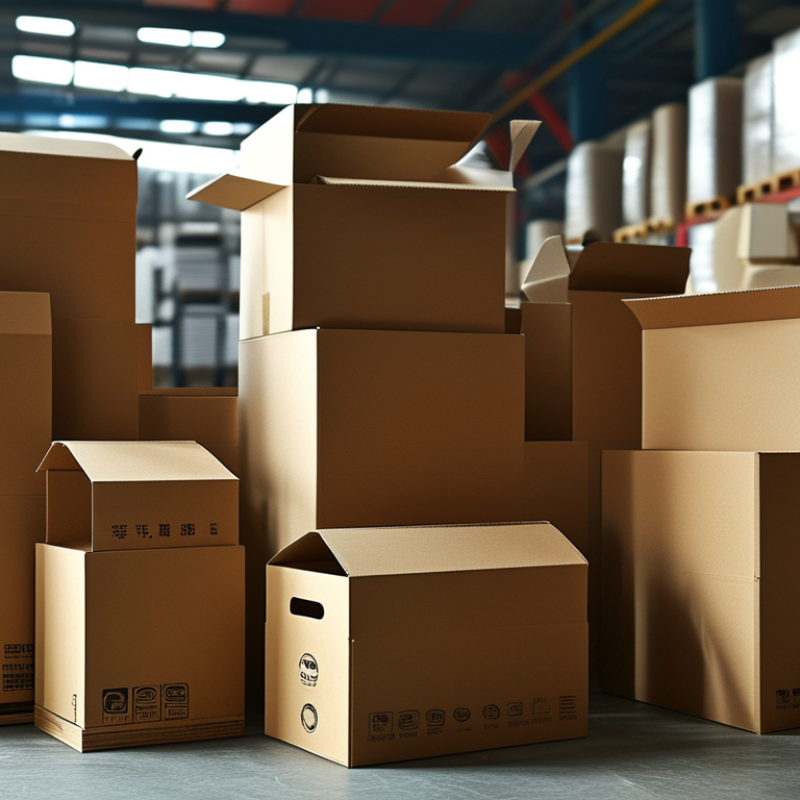
Table of Contents
[Hide]
What Are China Carton Packaging Suppliers?
China carton packaging suppliers are companies that design, manufacture, and export paperboard cartons from China. They may produce folding cartons, corrugated boxes, rigid cartons, and retail display packaging. Some operate their own factories, while others coordinate production through approved partners.
A capable supplier should explain its paper grades, flute types, printing methods, and finishing options clearly. Ask about recycled content, ink safety, compression strength, and moisture resistance. A practical quotation should include dimensions, board thickness, printing colors, tooling fees, packing methods, and delivery terms. Request a physical sample before approving bulk production. A carton can look sharp on a screen but fail when stacked.
Supplier evaluation needs evidence, not attractive promises. Check factory photos, production records, quality procedures, and export experience for similar products. Confirm whether the supplier can provide material certificates and inspection reports when required. Small details matter, such as clean creases, accurate die-cutting, tight folding, and consistent color between batches. Communication also deserves attention. Slow replies may create problems during artwork changes or shipment planning. I have found that low prices can hide weak sampling or unclear specifications. That risk deserves honest review. A dependable supplier welcomes questions and records every agreed detail in writing.
What Are the Best China Carton Packaging Suppliers? - What Are China Carton Packaging Suppliers?
| Supplier Category | Typical Carton Products | Common Materials | Typical MOQ | Standard Production Lead Time | Customization Capability | Quality and Testing Options | Suitable Buyer Profile |
|---|---|---|---|---|---|---|---|
| High-Volume Corrugated Carton Manufacturer | Shipping boxes, regular slotted cartons, die-cut mailers, pallet cartons | 3-ply and 5-ply corrugated board; kraft or test liner; B, C, E, and BC flute options | Usually 5,000–20,000 pieces per size | Approximately 15–30 working days after artwork and specifications are approved | Flexographic printing, offset-laminated printing, die cutting, perforation, handles, inserts, and water-based coatings | ECT or bursting-strength testing, compression testing, moisture checks, dimensional inspection, and pre-shipment sampling | Importers, e-commerce businesses, wholesalers, and manufacturers with recurring orders |
| Custom Retail Packaging Supplier | Folding cartons, product boxes, display boxes, drawer boxes, and gift packaging | SBS paperboard, coated paperboard, recycled paperboard, and specialty textured papers | Usually 1,000–5,000 pieces per design | Approximately 12–25 working days, excluding tooling and sample approval | Offset printing, spot colors, foil stamping, embossing, debossing, UV varnish, window films, and magnetic or ribbon closures | Color proofing, barcode verification, paper thickness checks, rub resistance, folding accuracy, and assembly inspection | Consumer-goods companies, subscription-box operators, cosmetics sellers, and specialty retailers |
| Eco-Focused Paper Packaging Manufacturer | Recyclable mailers, kraft boxes, molded-paper inserts, paper bags, and plastic-free packaging sets | Recycled kraft paper, FSC-certified paper when specified, molded fiber, and water-based inks | Usually 3,000–10,000 pieces per product type | Approximately 18–35 working days depending on material availability and construction | Recyclable adhesive options, plastic-free structures, soy or water-based inks, custom inserts, and reduced-ink artwork | Recycled-content documentation, paper composition checks, strength testing, recyclability review, and odor inspection | Environmentally conscious brands, retailers, food-service suppliers, and companies with sustainability targets |
| Food and Beverage Carton Supplier | Takeaway cartons, dry-food boxes, beverage carriers, bakery boxes, and paper trays | Food-contact paperboard, kraft board, grease-resistant paper, and coated corrugated board | Usually 10,000–50,000 pieces depending on the format | Approximately 20–40 working days after material and artwork confirmation | Oil-resistant coatings, ventilation holes, locking structures, food-safe printing, dividers, and tamper-evident features | Food-contact declarations, migration testing where required, grease resistance, leak checks, compression testing, and hygiene controls | Food processors, restaurants, bakeries, catering companies, and beverage distributors |
| Heavy-Duty Industrial Carton Supplier | Export cartons, double-wall boxes, heavy-load cases, protective partitions, and pallet-ready cartons | 5-ply or 7-ply corrugated board, heavy kraft liner, reinforced corners, and paper-based cushioning | Usually 500–3,000 pieces per specification | Approximately 15–35 working days depending on board grade and tooling | Reinforced construction, custom partitions, hand holes, edge protection, moisture-resistant treatments, and pallet optimization | Edge crush testing, box compression testing, drop testing, vibration testing, and load-distribution assessment | Industrial exporters, machinery manufacturers, automotive-parts suppliers, and logistics-intensive businesses |
| Small-Batch and Sampling Supplier | Prototype cartons, sample mailers, short-run product boxes, and market-test packaging | Digital-print paperboard, kraft corrugated board, recycled board, and standard insert materials | Often 50–500 pieces per design | Approximately 5–15 working days for standard structures | Digital printing, rapid structural changes, basic die cutting, mock-ups, and small-run assembly | Artwork review, sample approval, dimensional checks, print alignment, and functional fit testing | Start-ups, product developers, crowdfunding campaigns, seasonal sellers, and buyers testing new packaging |
| Export-Oriented Integrated Packaging Supplier | Corrugated cartons, retail boxes, inserts, labels, pallets, and complete packaging kits | Corrugated board, paperboard, kraft paper, molded fiber, and selected protective materials | Usually 1,000–10,000 pieces depending on the combined order | Approximately 20–40 working days for multi-component orders | Packaging engineering, artwork support, mixed-SKU production, kitting, barcode management, and export packing | Incoming-material inspection, in-process quality checks, final AQL sampling, carton marking verification, and shipment documentation | International buyers seeking consolidated sourcing and coordinated export shipments |
Typical figures are industry reference ranges and may vary according to carton size, board grade, printing method, order quantity, tooling requirements, testing standards, and shipping destination.
Related Posts
-

2025 Top Corrugated Packaging Trends: Optimize Sustainability and Efficiency for a $300 Billion Industry
-

Best Tips for Choosing Corrugated Packaging Solutions?
-

Best Carton Box Packaging Solutions for Global Buyers?
-

Essential Tips for Choosing the Right Packaging Materials?
-
2026 Best Shrink Sleeves for Packaging Solutions and Applications?
-

Why Choosing the Right Packaging Labels Can Transform Your Brand Identity and Sales