In the ever-evolving world of packaging, the folding box stands out as a flexible solution. Industry expert Alex Parker emphasizes, "A well-designed folding box can transform consumer perception." This highlights the importance of design in creating an impactful first impression.
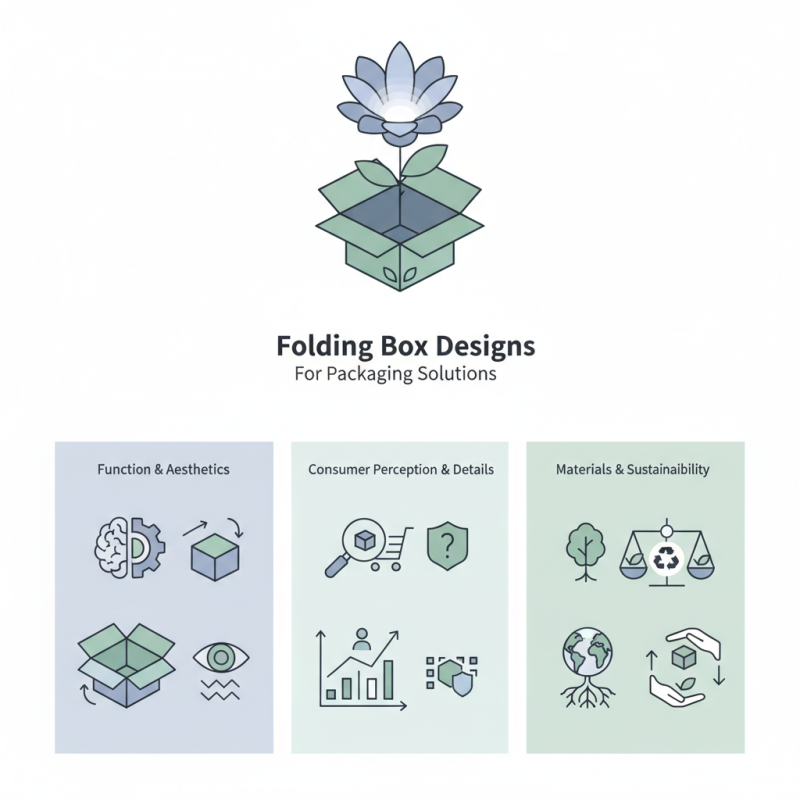
Consider the structure of a folding box. It needs to be both functional and visually appealing. Consumers often overlook the details that go into these designs. However, the right choice can enhance product visibility while ensuring preservation.
A clever folding box design integrates practicality and aesthetics. Yet, it's essential to reflect on materials and sustainability. Some designs may not meet environmental standards or fail under consumer scrutiny. Balancing creativity with responsibility often poses a challenge for designers.
When selecting folding box designs, several key factors come into play. A well-designed box can enhance product visibility and improve customer experience. According to a recent market analysis, sustainable packaging options are gaining traction, with 70% of consumers preferring eco-friendly materials. This shift impacts design choices significantly, urging businesses to rethink their packaging strategies.
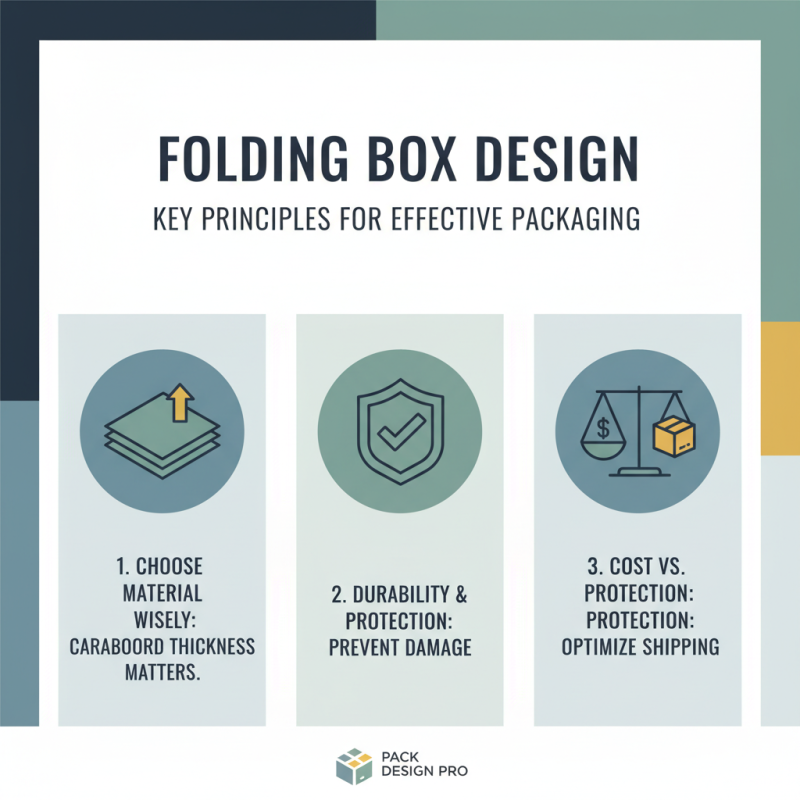
Material selection is crucial. Lightweight materials can reduce shipping costs, but they must also provide protection. Research shows that nearly 40% of product damage occurs during transport. Choosing the right thickness and type of material helps mitigate these losses. It's important to balance aesthetics and functionality in your design.
**Tips:** Consider incorporating unique shapes or windows to attract attention. Innovative designs can lead to a 20% increase in sales according to industry reports. Also, don't neglect the importance of clear labeling. Customers appreciate transparent information. However, be mindful that overly complex designs may confuse or frustrate potential buyers. Making choices that resonate with your audience requires constant reflection and adjustment.
| Design Type | Material | Sustainability | Customization Options | Cost Efficiency |
|---|---|---|---|---|
| Tuck End Box | Cardboard | Recyclable | High Customization | Cost-Effective |
| Snap Lock Bottom Box | Kraft Paper | Biodegradable | Limited Customization | Moderately Priced |
| Self-Locking Box | Recycled Paperboard | Eco-Friendly | High Customization | Affordable |
| Window Box | Transparent Plastic | Partially Recyclable | Customized Printing | Higher Cost |
| Mailer Box | Double-Walled Cardboard | Recyclable | Extensive Customization | Economical |
When considering folding box designs, it's essential to know the popular styles available. Different products often require unique packaging approaches. For instance, tuck-end boxes are versatile and work well for a variety of items. They are easy to assemble and provide a secure closure. This style is ideal for cosmetics or small electronics.
Another option is the window box. These boxes allow customers to see the product without opening the package. This design appeals to food products and crafts. However, it may lead to issues with tampering. A balance must be struck between visibility and protection.
Foldable boxes with inserts also deserve attention. They keep fragile items safe during transport but can be tricky to design effectively.
While exploring these options, consider the target audience. The aesthetics of the box, such as color and shape, can influence purchasing decisions. Explore options but remain mindful of functionality. Every detail counts, even if it complicates the process. Each design choice should reflect the product’s essence while ensuring practicality.
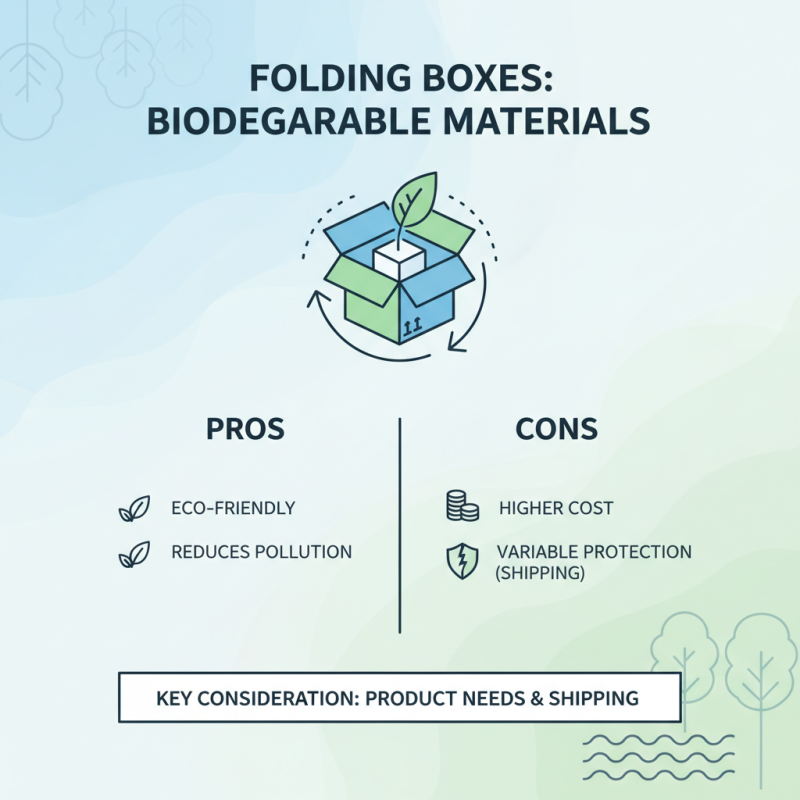
In today's packaging industry, choosing the right materials for folding boxes is paramount. Many businesses seek biodegradable options. These materials are environmentally friendly. However, they may come with higher costs. Not all biodegradable materials are suitable for every product. Some may not provide adequate protection during shipping. It’s essential to evaluate the specific needs of each packaging solution.
Sustainability also goes beyond materials. The design process plays a significant role. Efficient designs minimize waste in production. Reducing excess material can curb costs and environmental impact. However, striking the right balance can be challenging. Companies often rush to create appealing designs while overlooking sustainability. It’s a constant learning curve. Finding the intersection of functionality and aesthetics is crucial. Each design choice should reflect a commitment to sustainability while meeting customer needs. This ongoing reflection can lead to innovative packaging solutions.
When designing folding boxes, brand identity plays a crucial role. Choosing the right colors can evoke emotions. Bright colors may draw attention, while muted tones offer elegance. The right color palette can differentiate your product. This choice needs careful consideration; wrong hues might lead to confusion rather than recognition.
Typography is another significant element. Fonts should reflect the brand’s personality. A playful font can suggest fun, while a stark, clean font might suggest sophistication. The choice of font size and spacing also matters. Overly complicated designs can distract from the message. Sometimes simpler is better, yet many brands struggle with this balance.
Imagery can enhance the aesthetic appeal of folding boxes. High-quality images can capture attention, but less is more. An overly busy design can dilute the brand message. Emphasis on one key image often resonates better. The texture of the box is also essential; a tactile experience adds another dimension to brand perception. Investing time in these elements is necessary but often overlooked.
When creating effective folding box designs, several best practices can guide your choices. It’s essential to start with the material. Cardboard is popular for its durability and lightweight nature. However, sometimes it can be too flimsy if not chosen correctly. Experimenting with thickness can lead to better results. Remember, a thicker box may improve protection but can increase shipping costs.
Designing the box is another critical aspect. Visual appeal can significantly impact customer perception. Bold colors and attractive graphics draw attention. However, balancing aesthetics with functionality is crucial. If the box looks great but is difficult to open, it may frustrate users. Consider user experience carefully while designing your packaging. It’s vital to test prototypes to see how they perform in real-world scenarios.
The closure mechanism should also be functional. Many folding boxes use tabs or adhesive. Sometimes, a simple design can confuse users if not intuitive. Aim for straightforward solutions that enhance usability. Lastly, reflecting on past designs can provide valuable insights. Recognizing what worked and what didn’t will help refine your future projects.