Top Glass Salt And Pepper Shakers for Global Buyers to Consider?
The demand for Glass Salt And Pepper Shakers continues to rise globally. According to a recent industry report, the kitchenware market is projected to grow at a CAGR of 5.1% from 2021 to 2026. Glass salt and pepper shakers are a popular choice among consumers due to their aesthetic appeal and functionality. They add an elegant touch to dining tables, making meals more enjoyable.
Many buyers seek variety in design and size. While classic styles remain favored, modern trends push for unique shapes. An estimated 65% of consumers prioritize durability when selecting glass salt and pepper shakers. However, some products on the market can be fragile. This factor raises questions about quality versus style.
The rise of e-commerce has made these items more accessible. Buyers can easily compare prices and reviews. Yet, this convenience may lead to overwhelming options. Finding the right balance between style and usability is an ongoing challenge. Glass salt and pepper shakers must not only look good but also serve a practical purpose.
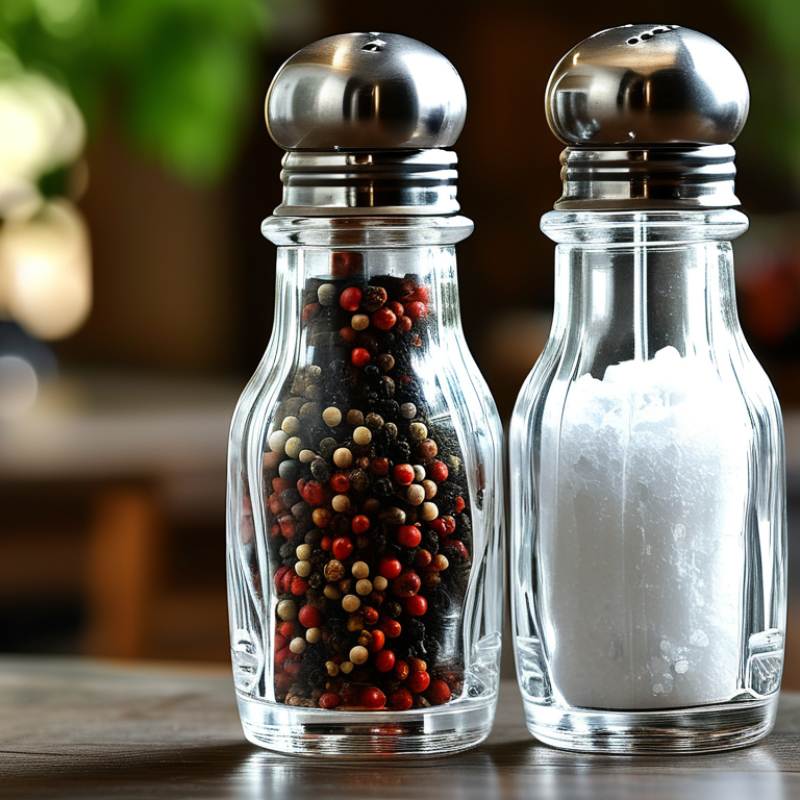
Top Materials Used in Glass Salt and Pepper Shakers and Their Benefits
When considering glass salt and pepper shakers, the materials used play a crucial role. Commonly, glass is favored for its clarity and aesthetic appeal. It allows users to see the contents inside. This transparency helps in knowing when to refill, making it practical for everyday use. Furthermore, glass is non-reactive. It does not alter the flavor of spices, preserving their integrity.
Another popular material is a combination of glass with stainless steel. This hybrid offers durability beyond standard glass. Stainless steel caps often provide a secure seal, preventing moisture from entering. This is essential for maintaining the freshness of the spices. However, glass can be fragile. Dropping a shaker can lead to breakage, which is an important factor to consider.
Tips for choosing the right shaker include checking for easy refilling features. Look for wider openings or removable tops. Additionally, consider how the shaker feels in your hand. A comfortable grip is vital for ease of use, especially when seasoning meals during cooking. Remember, a well-chosen shaker enhances both the dining experience and kitchen aesthetics.
Market Trends: Growth of Glass Shakers in the Global Kitchenware Sector
The kitchenware sector is evolving rapidly. Glass salt and pepper shakers have become increasingly popular among consumers. These shakers are not only functional but also aesthetically pleasing. The sleek design complements modern kitchens, making them a top choice for buyers. Many kitchen enthusiasts are drawn to their clarity and elegance, which enhance dining experiences.
In global markets, the trend shows a shift towards sustainable materials. Glass is recyclable and reduces plastic waste. This aligns with consumer preferences for eco-friendly products. However, some buyers worry about durability. Glass shakers can break easily if dropped. It's essential to consider the table dynamics when selecting these items for everyday use.
Authenticity adds to their appeal. People appreciate handmade glass shakers that showcase unique craftsmanship. Each piece tells a story, connecting users to artisans worldwide. Yet, pricing may vary widely, creating confusion for potential buyers. Research and expert advice can help navigate these choices effectively. Understanding market trends ensures informed purchases that resonate with personal style and values.
Consumer Preferences: Key Features in Glass Salt and Pepper Shakers
When selecting glass salt and pepper shakers, consumers often prioritize functionality and design. Many prefer a sturdy glass that can withstand daily use. Additionally, transparency is key. Buyers enjoy seeing the contents without opening the shakers. This visibility allows for easy refills and adds aesthetic appeal.
Ease of use is another important feature. Many prefer shakers with adjustable openings. This allows control over the flow of spices, preventing over-seasoning. Some consumers like shakers with a wide base. This design reduces the risk of spills when reaching for the shakers.
However, not every design meets these preferences. Some shakers are visually appealing but lack practicality. Aesthetic flaws can also impact the overall experience. It’s crucial to find a balance between form and function that truly meets individual needs. Understanding these consumer preferences ultimately leads to better product choices.
Innovative Designs in Glass Shakers: Eco-Friendly and Functional Options
Glass salt and pepper shakers are becoming increasingly popular among eco-conscious consumers. Innovative designs prioritize sustainability. Many shakers are made from recycled glass, reducing waste while maintaining style. Their sleek, transparent forms allow you to see the spices inside. This visual appeal enhances your dining table.
Functionality is also a key focus. Some shakers come with adjustable openings. This feature enables precise control over how much spice is dispensed. Other designs are stackable, saving space in your kitchen. Users appreciate this versatility, especially in smaller kitchens. The balance between design and practicality is striking.
However, not all glass shakers are perfect. Some may chip or break easily. Choosing a more durable option may require research. Additionally, finding a design that fits your aesthetic can be challenging. The variety available can be overwhelming. But taking the time to explore can lead to delightful discoveries.
Comparative Analysis: Glass vs. Other Materials for Salt and Pepper Shakers
When considering salt and pepper shakers, glass stands out for several reasons. Research indicates that glass shakers have a superior resistance to odor absorption compared to plastic or metal. While plastic can degrade over time, glass retains its clarity and does not alter the flavor of spices. This resistance to wear is crucial for maintaining the user experience.
Moreover, glass shakers are more hygienic. Industry studies suggest that non-porous materials like glass are less likely to harbor bacteria than porous materials. A report from the Food Safety Institute highlights that plastic surfaces can absorb oils and particles, leading to contamination risks. Glass shakers are easier to clean and sanitize, promoting better food safety practices.
However, glass shakers have their downsides. They can break easily, leading to safety hazards. Some consumers find that glass shakers are heavier, which may affect their usability. While many prefer the aesthetic appeal of glass, the practicality of lighter materials should not be overlooked. Each material has its pros and cons, and consumers must weigh these factors based on personal needs and preferences.
Comparative Analysis: Glass vs. Other Materials for Salt and Pepper Shakers