
What Are the Top Types of Kraft Paper Sheets in 2026?

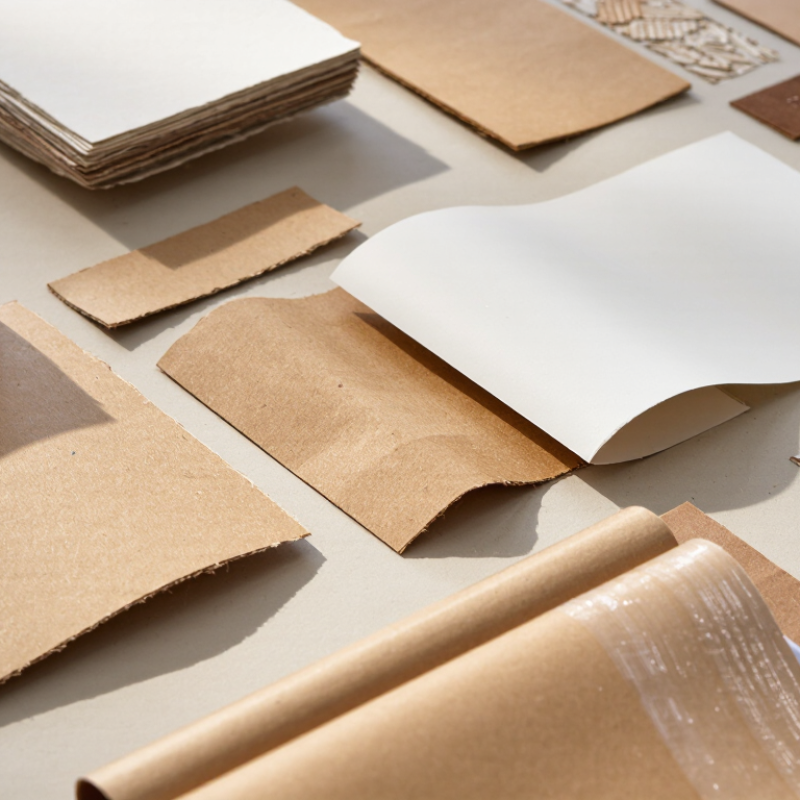
In 2026, Kraft Paper Sheets are not one standard product. They range from sturdy brown wrapping sheets to smooth, bleached grades for printing and presentation. Choosing well starts with the job: Will the sheet carry weight, protect a surface, accept ink, or resist moisture? Small differences matter. A rough, uncoated sheet may suit a parcel, while a smoother grade can make labels and printed details easier to read.

Kraft-process pioneer Carl F. Dahl provides useful historical context. The following is an editorial paraphrase, not a verbatim quotation: “A paper sheet performs best when its fiber strength matches the work it must do.” That principle helps frame this guide to the leading types, including virgin-fiber, recycled, bleached, unbleached, sack, wrapping, and coated sheets. Each has trade-offs. Recycled content can change appearance and consistency; coatings may improve a specific surface property but add choices to evaluate. Even familiar brown sheets vary in weight, texture, and strength. Buyers should check product specifications and test samples under real conditions, especially when sheets will be folded, printed, or used for packaging. A product description alone may not settle it. Sometimes the right choice takes a small, practical trial—and that is worth admitting.
What Are the Top Types of Kraft Paper Sheets in 2026?

Kraft Paper Sheets: Main Grades and Classification

Kraft paper sheets are commonly classified by fiber source, intended use, and surface treatment. Virgin-fiber grades are made from newly processed wood pulp and often offer consistent strength. Recycled grades reuse recovered fibers, though their performance can vary with fiber quality and processing. Neither category is automatically better; the right choice depends on the job.

Sack kraft is designed for toughness and flexibility, making it useful for multiwall bags and heavy wrapping.

Kraft liner is a stiffer grade used as the outer layer of corrugated board.

General-purpose wrapping grades are usually lighter and easier to fold around parcels. Some sheets are bleached for a pale surface, while unbleached kraft keeps its familiar brown color. Look closely.

Basis weight, thickness, and surface finish further separate sheets within each grade. A heavier sheet may resist tearing, but weight alone does not guarantee strength. Moisture, grain direction, and handling matter too. Names can differ between suppliers, so checking a specification sheet is more reliable than choosing by color. This classification is useful, but not perfect: two sheets labeled for similar uses may behave differently during printing, folding, or packing. A small sample test can reveal issues before a full order.

Unbleached Kraft Sheets: Natural Color and High Strength

Unbleached kraft sheets retain their natural brown color because the pulp is not bleached. Their warm, fibrous appearance suits wrapping, inserts, tags, and simple product presentation. The surface may show small variations in shade or texture. That is normal, but it can make color matching less exact.

Strength depends on sheet weight, fiber quality, and grain direction. A heavier sheet usually feels firmer, yet it may crease differently when folded. Strong does not mean waterproof. Moisture can soften the fibers, so test the sheet with your actual contents before choosing it for protective packaging.

Tips: Check the stated basis weight and sheet dimensions. Fold a sample both with and against the grain. Try a small water droplet if moisture resistance matters.

For neat folds, score the paper lightly before bending it. Store sheets flat and dry; curled corners can complicate printing or hand assembly. Unbleached kraft is practical, but it is not perfect: rough edges and natural color shifts may be visible in finished work. Judge a sample under the same lighting used to display or pack the final item.

Bleached Kraft Sheets: Clean Appearance and Printability

Bleached kraft sheets offer a bright, even surface that makes packaging look clean and easy to read. Their pale color gives printed text and simple graphics more contrast than natural brown kraft. This can help labels, product inserts, and lightweight cartons feel orderly without adding visual clutter. The sheet still has a paper texture. It does not look like coated plastic.

Print results depend on the sheet’s finish, thickness, and absorbency. On an uncoated surface, ink may soak in and appear softer, especially in small lettering or fine lines. A test print is useful. Check dark areas, edges, and colors under the lighting where customers will see the package. For detailed images, a smoother grade may hold sharper features, though it can cost more or feel less natural.

Bleached kraft is not automatically the best choice for every job. Its clean appearance suits designs that need a light background, but scuffs and handling marks can show more readily than on darker sheets. I would also avoid assuming that every “white kraft” sheet prints the same way. Compare samples from the actual production lot when possible; that extra check can feel fussy, but it prevents avoidable surprises.

What Are the Top Types of Kraft Paper Sheets in 2026? – Bleached Kraft Sheets: Clean Appearance and Printability
Sheet Type Typical Basis Weight Appearance and Surface Printability Common Applications Selection Notes
Fully Bleached Kraft Paper Approximately 30–120 g/m² White or near-white, with a smooth, relatively uniform surface. Suitable for flexographic, offset, and digital printing when the sheet’s coating and surface finish match the process. Printed bags, wraps, labels, stationery, and lightweight packaging. A versatile option when a clean white background and clear graphics are priorities.
Bleached Sack Kraft Paper Approximately 60–100 g/m² White, strong, and generally designed to withstand handling and filling. Often used for flexographic printing; ink holdout and image detail depend on surface finish and porosity. Multiwall sacks, product bags, and packaging requiring strength with a white printed exterior. Check tensile strength, stretch, and converting requirements alongside appearance.
Bleached Kraft Linerboard Approximately 120–400 g/m² White outer liner, typically made for corrugated board; may have a coated or uncoated face. Coated grades generally support sharper graphics; uncoated grades provide a more natural paper texture. Corrugated boxes, retail packaging, and display packaging. Confirm the required board strength and whether the printing process calls for a coated surface.
Machine-Glazed (MG) Bleached Kraft Approximately 30–80 g/m² One side is smoother and glossier than the other, creating a noticeable difference between faces. The smoother side can produce cleaner print results; printing performance varies by grade and ink system. Wrapping, bags, lightweight packaging, and printed paper products. Choose the preferred printing face before specifying sheet orientation or converting.
Bleached Kraft Paperboard Approximately 150–400 g/m² Thicker and stiffer than typical wrapping paper, with a white printable surface. Provides a substantial print surface; coating, caliper, and stiffness influence finishing and image quality. Folding cartons, cards, inserts, and protective packaging components. Compare caliper and stiffness as well as basis weight, since these properties affect carton performance.
Note: Basis-weight ranges are indicative, not specifications. Actual availability and print performance vary by mill, grade, furnish, surface treatment, and intended printing process. Verify technical data and any applicable food-contact or regulatory requirements with the supplier.

Recycled Kraft Sheets: Fiber Content and Common Uses

Recycled kraft sheets are made with recovered paper fibers, but the exact blend varies by mill and grade. Some contain mostly post-consumer material; others combine it with clean manufacturing scraps and new pulp. Check the product specification rather than assuming “recycled” means one fixed percentage. Fiber sources matter.

Each recycling cycle shortens and weakens fibers somewhat. Sheets with high recovered content may feel rougher, show small flecks, or tear sooner than sheets made with more fresh pulp. Not every sheet does. Thickness, refining, and bonding also affect performance, so a quick fold or tear test can help before a large order.

These sheets suit interleaving, protective wrapping, paper bags, tags, and cushioning for dry goods. Their brown surface can disguise minor scuffs and give parcels a simple, natural look. For printing, test ink absorption and color first; recycled fibers may create an uneven surface. A warm brown shade can look reassuring, but color is a poor quality test. Recycled content alone does not prove a sheet is strong, clean, or suitable for a particular use. Check its specifications.

Recycled Kraft Sheets: Typical Basis-Weight Ranges by Use

Indicative basis-weight ranges for common kraft paper applications (g/m²).

Basis weight is only one factor in sheet performance. Recycled-fiber content varies by grade and supplier; check product specifications for the stated recycled and post-consumer content. Ranges are indicative, as requirements vary by product and application.

Coated and Specialty Kraft Sheets: Finishes for Specific Needs

Coated and specialty kraft sheets are defined by the job their surfaces must do. A clay-coated face gives fine text and small graphics a smoother print surface, while the kraft reverse can retain a natural look. For damp goods, moisture-resistant coatings or wet-strength treatments may help.

They are not interchangeable: wax or polymer layers can make repulping more difficult, depending on the sheet’s construction and the receiving mill. Test the finished package, not just a sample sheet.

The figures offer useful context, but not a guarantee. CEPI’s Key Statistics 2023 reported a 79.3% paper recycling rate in Europe; AF&PA’s 2023 report put the U.S. rate at 65–69%. These are broad paper figures, not recovery rates for coated kraft sheets. Important distinction.

For grease-prone food wraps, compare barrier performance and food-contact suitability; for labels or premium sleeves, prioritize print quality and stiffness. Ask suppliers for coating composition, basis weight, and repulpability data, then check local mill guidance.

A glossy sample may look perfect on the bench and still be the wrong sheet for the disposal stream.

Scroll to Top