Top 10 Shower Drainage Solutions for Your Bathroom Needs?
When addressing bathroom needs, Shower Drainage is often overlooked. However, effective drainage is essential for maintaining hygiene and comfort. According to a 2022 industry report, poor shower drainage can lead to serious issues, including water damage and mold growth. About 30% of homeowners face these problems due to inadequate drainage solutions.
Choosing the right shower drainage system is crucial. Different types, such as linear drains or point drains, offer unique benefits. A well-functioning drainage system enhances water flow and prevents blockages. Surprisingly, many installations do not meet professional standards, resulting in underperformance. This highlights the need for careful consideration.
Investing in quality shower drainage can save costly repairs down the line. It’s important to research and consult professionals. A reliable drainage solution ensures a safer, cleaner bathroom environment. Taking the time to evaluate your options will lead to more informed decisions, enhancing overall satisfaction in your bathroom space.
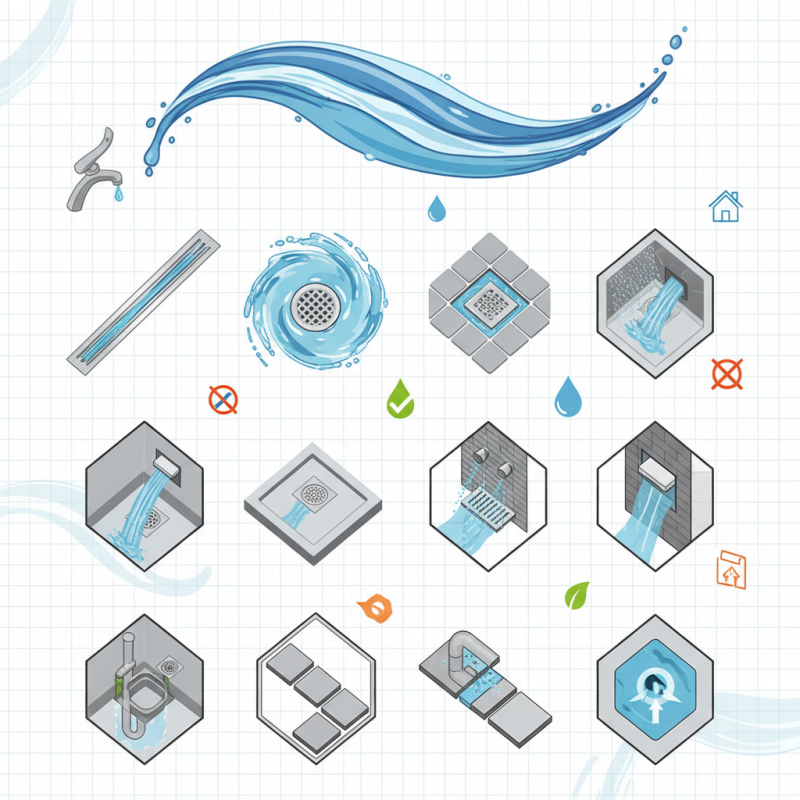
Overview of Shower Drainage Systems
Shower drainage systems play a crucial role in bathroom functionality. A well-designed drain prevents water buildup, keeping your space dry and safe. Common systems include linear drains, point drains, and trench drains. Each has its advantages depending on aesthetics and water flow.
Consider the layout of your shower area. Linear drains fit well in modern designs but may require careful placement. Point drains are traditional and often easier to install. Trench drains provide great water management for larger spaces. Choose based on your shower size and style.
Tips to remember: ensure proper slope during installation. A slope helps direct water efficiently towards the drain. Regular maintenance is vital. Clean the drain regularly to avoid clogs. Think about the material as well. Stainless steel blends durability and style. Make informed choices to achieve both beauty and function.
Types of Shower Drains: Traditional vs. Modern
When choosing a shower drainage solution, understanding traditional and modern options is crucial. Traditional shower drains often feature a square or circular grate with a simple design. They are reliable, easy to install, and provide good drainage. However, their design may not always blend seamlessly with contemporary bathroom aesthetics. Many homeowners find them functional but not stylish. They often require regular cleaning to avoid clogs, a task that can be tedious.
Modern shower drains, in contrast, come with innovative designs. These can include linear or trench drains, which offer a sleek, minimalist look. They fit well with a range of flooring types and create a seamless appearance. Their design allows for faster drainage, minimizing standing water. Yet, they require precise installation. An inexperienced installer may lead to improper drainage, causing future issues. Modern drains offer elegance but can pose challenges during installation. Careful consideration must be given to both the visual and functional aspects of each option.
Materials Used in Shower Drainage Solutions
When considering shower drainage solutions, the materials used are crucial for efficiency and longevity. Stainless steel is popular due to its durability and resistance to corrosion. It blends well with various bathroom styles. However, it can be a bit pricier than other options. Another good choice is PVC, which is lightweight and easy to install.
Cast iron is another classic option. It's highly durable and can support heavy usage. Yet, it is prone to rust if not properly coated. A more modern solution is polymer concrete, offering excellent water flow and flexibility in design. Though it is strong, it can be harder to find and install.
Tips: Always consider the weight of the materials. Heavy options can lead to additional support needs. When choosing, think about your bathroom’s overall look. Matching your drainage style with your décor is essential for a cohesive design. Regular maintenance is important too; inspect drains frequently to prevent clogs and damage.
Installation Considerations for Optimal Drainage
When considering drainage solutions for your bathroom, installation plays a crucial role. Proper slope in the shower base is vital. According to industry reports, a minimum slope of 1% can help facilitate effective water flow toward the drain. This minor incline ensures water does not pool, reducing the risk of mold and water damage.
Consider the materials used for drainage systems. Options range from PVC to stainless steel. Each material has unique benefits and drawbacks. For instance, while stainless steel is durable, it can be more challenging to install. Proper installation techniques are essential for optimal performance. An industry study revealed that 30% of drainage problems stem from improper installation.
Another important factor is drain size. A correctly sized drain can manage water flow efficiently. For instance, a 2-inch drain can handle approximately 12 gallons per minute, which is usually sufficient for most showers. However, larger setups may require bigger drains. Thoughtful consideration of these installation aspects ultimately leads to a reliable shower drainage system.
Maintenance Tips for Long-lasting Shower Drains
Maintaining shower drains is crucial for a functional bathroom. According to the National Kitchen and Bath Association, nearly 70% of homeowners report issues with drainage. Regular maintenance can prevent costly repairs and ensure smooth water flow.
To begin, a simple yet effective method is weekly cleaning. Remove hair and debris from the drain. This reduces clogs and keeps the water flowing. It's essential to use a drain cover, as it acts as the first line of defense. A quality cover can reduce the amount of hair and soap scum that enters the drain.
Moreover, consider using a natural solution to clean the drain. A mixture of baking soda and vinegar can break down buildup without harmful chemicals. Pour this mixture into the drain and let it sit for 30 minutes. This practice can improve the drain's longevity. However, be cautious; overusing chemical cleaners can weaken pipes over time. It’s ideal to apply these methods regularly to build a healthy maintenance routine.
Top 10 Shower Drainage Solutions for Your Bathroom Needs
| Solution | Material | Installation Difficulty | Maintenance | Lifespan |
| Linear Drain | Stainless Steel | Moderate | Low | 25+ years |
| Point Drain | Plastic | Easy | Medium | 15 years |
| Barrier-Free Drain | Aluminum | High | Low | 30 years |
| Decorative Drain | Bronze | Moderate | Medium | 20 years |
| Trench Drain | Concrete | High | Low | 40 years |
| Tile-In Drain | Ceramic | Moderate | High | 15 years |
| Grate Drain | Cast Iron | Moderate | Medium | 30 years |
| Sump Drain | Plastic | High | Medium | 20 years |
| Modified Drain | PVC | Easy | High | 15 years |
| Glass Drain | Glass | High | Low | 10 years |