Top Packaging Materials for Sustainable and Efficient Shipping Solutions?
In today's eco-conscious world, the debate around sustainable packaging materials is more critical than ever. Experts in the packaging materials industry emphasize the need for innovation. David Smith, a renowned packaging consultant, once stated, "Sustainable packaging is not just a trend; it’s a necessity for the future." His insight reflects the growing responsibility companies have towards the environment.
Sustainability in shipping is deeply woven into the choice of materials. Many companies are transitioning to biodegradable plastics and recycled paper options. These materials not only reduce waste but also enhance brand loyalty among environmentally aware consumers. However, the journey to fully sustainable packaging is complex.
While advancements are being made, challenges remain. Some packaging materials still rely on non-renewable resources. Moreover, the effectiveness of these materials in protecting products during transit must be evaluated continuously. Companies must balance sustainability with practicality to ensure efficient shipping solutions. The need for reflection on current practices is essential as the demand for eco-friendly packaging grows.

Key Characteristics of Sustainable Packaging Materials
Sustainable packaging materials play a crucial role in modern shipping solutions. They must be made from renewable resources or recycled materials. Biodegradable options break down naturally, reducing waste. Compostable materials decompose in industrial composting systems, contributing to soil health.
When choosing packaging, consider the material's lifecycle. Look for options that minimize environmental impact at every stage. Light-weight packaging reduces energy costs during transport. This simple change can lead to significant savings.
To optimize your packaging strategy, keep these tips in mind. Use minimal packing peanuts or bubble wrap. Instead, consider paper or biodegradable alternatives. These materials are often just as protective.
Also, ensure your packaging size fits the product, preventing excess space. Oversized boxes can waste materials and increase shipping costs. Always aim for efficiency. Reflect on what improvements can be made in your own shipping practices.
Popular Sustainable Packaging Materials for Shipping
Sustainable packaging materials are gaining traction in shipping. These materials reduce waste and help the environment. One popular choice is biodegradable packing peanuts. They dissolve in water and leave no trace. Another option is recycled cardboard. It’s strong yet lightweight, minimizing transport costs.
Mushroom-based packaging is an innovative choice. It’s made from agricultural waste and can break down naturally. This option captivates eco-conscious consumers. Bioplastics, derived from plants, also offer a sustainable alternative. However, the production process can still leave a carbon footprint.
The challenge lies in balancing efficiency and sustainability. Some materials may not perform as well under stress. Finding the right material for each shipment requires careful consideration. Companies must rethink their packaging strategy. Small changes can lead to significant benefits for the planet.
Top Packaging Materials for Sustainable Shipping Solutions
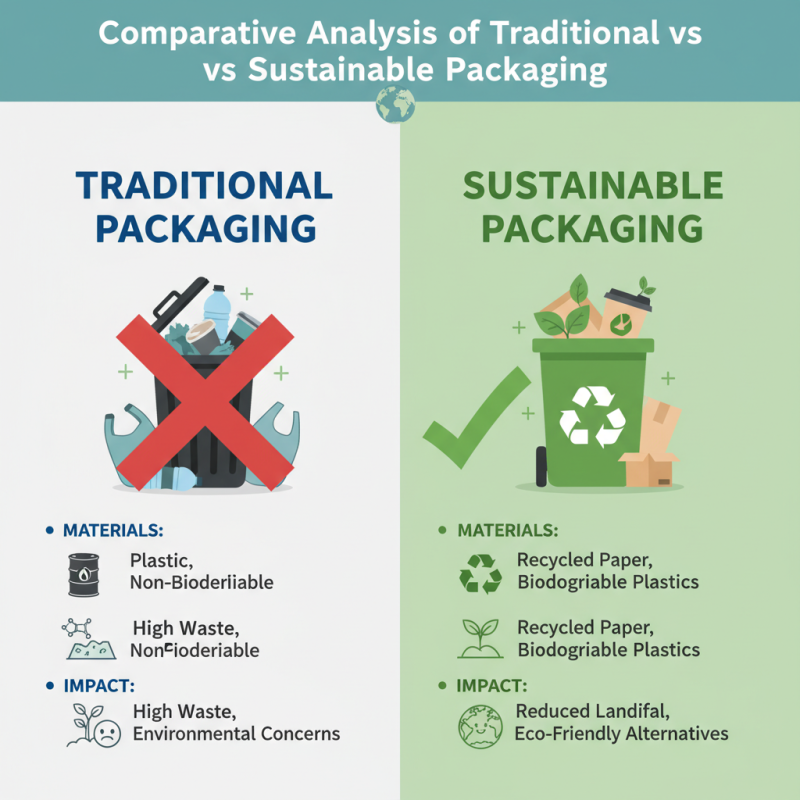
Comparative Analysis of Traditional vs. Sustainable Packaging
When comparing traditional and sustainable packaging, several key factors emerge. Traditional packaging often relies on plastic and non-biodegradable materials. This can lead to significant waste, causing environmental concerns. In contrast, sustainable packaging materials, such as recycled paper and biodegradable plastics, offer eco-friendly alternatives. They break down more easily, reducing landfill contributions.
However, there are challenges with sustainable options. Cost can be a barrier, as these materials might be more expensive initially. Additionally, some sustainable materials may not provide the same level of protection as traditional ones. For example, glass is more recyclable but prone to breakage during shipping. Companies must weigh these factors carefully.
The transition to sustainable packaging isn’t flawless. Logistics and supply chains can be disrupted. Finding reliable suppliers for sustainable materials is not always easy. Moreover, consumer acceptance is still growing; not everyone prioritizes eco-friendly packaging. It’s a complex issue that requires ongoing reflection and adjustment to improve efficiency and sustainability in shipping solutions.
Innovative Practices in Sustainable Shipping Solutions
In an era of rising environmental awareness, businesses are redefining packaging strategies. The push for sustainable shipping solutions prompts innovative practices. Companies are exploring biodegradable materials. These alternatives break down naturally, reducing landfill waste. Some options include cornstarch-based peanuts and mushroom-based packaging. These materials provide adequate protection while being eco-friendly.
Moreover, recycled materials are gaining traction. Using post-consumer waste minimizes resource extraction. However, challenges remain. Not all recycled options maintain durability. Companies need to balance sustainability and performance. Lightweight packaging is another innovative approach. Less material means reduced carbon footprint. But finding the right balance is tricky. Too light can lead to damage during transit.
Collaboration within industries can foster better solutions. Sharing knowledge about best practices can elevate standards. Engaging in local sourcing is also a step toward sustainability. It shortens transportation distances and supports local economies. However, this practice might limit material variety. Businesses face ongoing reflection on their practices and impacts. Sustaining meaningful change requires continuous effort. The shipping industry stands at a crossroads, seeking paths that align with both efficiency and environmental responsibility.
Top Packaging Materials for Sustainable and Efficient Shipping Solutions
| Packaging Material |
Material Type |
Sustainability Rating |
Recyclability |
Applications |
| Biodegradable Plastics |
Plastic |
High |
Compostable |
Food Packaging, E-Commerce |
| Kraft Paper |
Paper |
High |
Recyclable |
Boxes, Bags |
| Mushroom Packaging |
Natural Material |
Very High |
Compostable |
Electronics, Fragile Items |
| Recycled Cardboard |
Paper |
High |
Recyclable |
Shipping Boxes, Retail Packaging |
| Plant-Based Foam |
Foam |
High |
Biodegradable |
Protective Packaging, Fragile Goods |
| Glass Containers |
Glass |
Very High |
Recyclable |
Beverages, High-Value Goods |
Regulatory Standards and Certifications for Packaging Materials
Regulatory standards play a crucial role in the development of sustainable packaging materials. These standards ensure that products are safe, environmentally friendly, and efficient. Different regions may have varying regulations. For instance, some areas mandate the use of recyclable materials. Others emphasize biodegradability. These regulations often aim to reduce waste and encourage responsible sourcing.
Certifications are vital for businesses to demonstrate compliance. Certifications like FSC or ISO indicate sustainable practices. Companies may gain credibility by showcasing these certifications. However, navigating the certification process can be complex. Not all businesses understand the requirements fully. Some may overlook documentation, compromising their sustainability goals.
It is essential to recognize the challenges with these regulations. Compliance can be costly and time-consuming. For smaller businesses, the burden may feel overwhelming. Additionally, keeping up with evolving standards requires continuous effort. As regulations change, so too must packaging solutions. The industry must remain adaptable to meet both consumer demands and legal requirements.