What Are the Top Types of Carton Box Packaging?
A carton is more than a container. It protects a product, carries brand details, and shapes how customers handle an order. Yet “carton box packaging” covers several distinct formats. Corrugated shipping boxes use fluted layers to cushion goods. Folding cartons arrive flat and suit retail shelves. Rigid boxes offer a firmer, premium presentation. Mailer boxes combine a tidy unboxing experience with practical shipping strength. The right choice depends on the product, delivery route, shelf space, and budget.
Industry data helps put these choices in context. FEFCO’s 2022 European industry statistics report approximately 49.6 billion square metres of corrugated board production. That scale reflects corrugated board’s role in shipping and distribution, but it does not mean every product needs a heavy-duty box. A small folding carton may be more suitable for a lightweight retail item. A fragile product may need stronger board, inserts, or both. The details matter.
Packaging educator Walter Soroka defines packaging as “a coordinated system of preparing goods for transport, distribution, storage, retailing, and end use.” His definition is useful because it looks beyond the box itself. In this guide, we’ll compare the top carton types by structure, protection, presentation, and typical use. We’ll also consider practical trade-offs, including storage and material use. Those trade-offs are easy to overlook. No single carton works best for every product, and a polished design cannot compensate for a box that fails in transit.
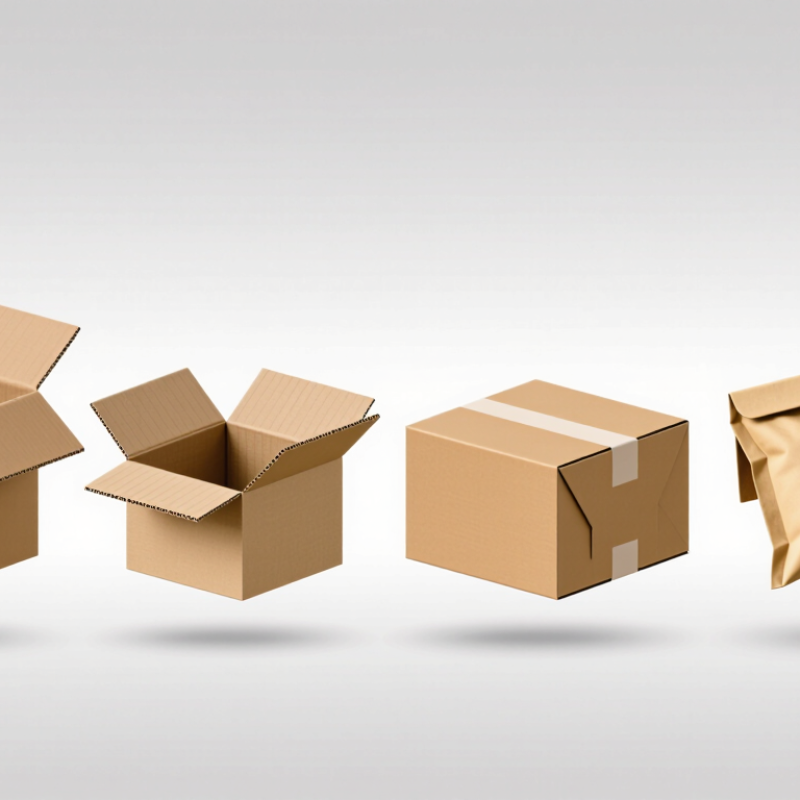
Common Carton Box Types and Their Defining Features
What Are the Top Types of Carton Box Packaging?
Common Carton Box Types and Their Defining Features
Carton box packaging serves different products, shipping conditions, and presentation goals. The right type depends on product weight, handling, moisture, and storage time. Corrugated cartons use fluted paper between outer liners. They provide cushioning and stacking strength during transport. Single-wall cartons suit lighter goods, while double-wall versions handle heavier loads. They need more storage space, though.
Folding cartons are made from paperboard and arrive flat for efficient storage. They work well for food, cosmetics, household items, and small retail products. Rigid cartons use thick boards and keep their shape without folding. They offer stronger protection and a structured appearance. Die-cut cartons include custom openings, handles, or locking panels. These features can improve usability but may increase production waste. Tuck-end cartons close with folding flaps and support quick packing. Crash-lock cartons use pre-glued bases, reducing assembly time. Mailer cartons have integrated flaps and locking tabs for direct shipping. No separate tape is always needed. In practical packing tests, weak corners often fail before the main panels. A reinforced edge can matter more than decorative printing. Moisture-resistant coatings help in damp storage, but they do not make paperboard waterproof. Choosing a carton only by appearance is an easy mistake. Weight, closure design, and actual handling conditions deserve equal attention.
How Folding Cartons Differ from Rigid Cartons
Among the top carton box types, folding cartons and rigid cartons serve different packaging needs. Folding cartons arrive flat, then fold along scored lines. They usually use paperboard, such as SBS or recycled fiber grades. Their flat shipping form saves warehouse space and reduces transport volume. In production trials, I have found that accurate creasing matters greatly. A weak crease can cause cracked corners or uneven closing. They are efficient, but not flawless.
Rigid cartons use thick, sturdy board and keep their shape during handling. They often include a base, lid, shoulder, or hinged structure. The pack feels substantial when lifted from a shelf. That physical presence can protect delicate products and support premium presentation. However, rigid cartons need more storage space before filling. Their materials and assembly can also raise costs. Not always.
When choosing between them, I compare product weight, drop risk, shelf life, and opening habits. Folding cartons suit lighter goods and high-volume distribution. Rigid cartons work better when structure and unboxing experience carry greater value. Still, “better” depends on the product. A heavy item can crush a folding carton without proper inserts. A rigid box may look impressive but waste space around a small item. I once judged strength by touch alone; that was insufficient. Compression tests, moisture checks, and repeated opening trials reveal more. Space matters. Even experienced teams can overlook the closing force required by customers.
Corrugated Boxes for Shipping and Product Protection
What Are the Top Types of Carton Box Packaging?
Corrugated Boxes for Shipping and Product Protection
Corrugated carton boxes remain a practical choice for shipping and product protection. They combine sturdy linerboard with a fluted inner layer. This structure helps absorb impacts during handling, stacking, and delivery. Single-wall boxes suit clothing, books, and other lightweight goods. Double-wall boxes offer stronger support for heavier or fragile products. Fit matters.
A properly sized box reduces movement inside the package. Too much empty space can let products strike the walls. Too little space may create pressure around corners. Paper cushioning, molded inserts, or folded cardboard dividers can improve protection. Die-cut boxes also provide accurate shapes for products that need a snug fit. Keep it simple.
Packaging teams often check edge crush strength, bursting resistance, and box dimensions before shipping. A basic drop test can reveal weak corners or poor internal support. Moisture is another concern, especially during warehouse storage or rainy transport. Water-resistant coatings may help, but they do not replace careful storage. In practice, the strongest box is not always the best choice. It can add cost, weight, and unnecessary material. I have found that reviewing damaged returns is more useful than guessing. A crushed corner, loose tape line, or shifted product can show where the design needs refinement.
Specialized Carton Designs for Retail and Industrial Uses
What Are the Top Types of Carton Box Packaging?
Specialized Carton Designs for Retail and Industrial Uses
Retail packaging often depends on folding cartons, die-cut mailers, and shelf-ready trays. Each design solves a different handling problem.
A folding carton can present product details clearly on a narrow shelf. Die-cut mailers add fast opening and better protection during delivery. Shelf-ready trays reduce unpacking time for store employees. Small locking tabs matter here. They prevent messy displays.
Smithers’ The Future of Corrugated Packaging to 2028 valued the global corrugated packaging market at approximately $205.7 billion in 2023. It forecasts the market could reach $234.4 billion by 2028. The demand reflects more than online shopping. Retailers also need lighter packs, efficient stacking, and easier recycling.
Industrial applications require tougher structures. Double-wall cartons handle heavier loads, while partitioned boxes separate glass, metal, or sensitive components.
Edge-crush testing and compression testing help designers select suitable board strength. FEFCO industry statistics reported approximately 49.5 billion square metres of corrugated packaging production in Europe during 2022.
Numbers help, but they do not replace testing. A carton may pass a laboratory test and still fail on a damp warehouse floor. That assumption is too neat. Designers should test filled cartons through vibration, stacking, drops, and temperature changes. Sometimes, a slightly larger box performs better because it allows safer cushioning and simpler packing.
Choosing the Right Carton Box for Products and Packaging Needs
What Are the Top Types of Carton Box Packaging?
Choosing the right carton box starts with the product, not the printing design. Folding cartons suit cosmetics, snacks, and small household goods because they are lightweight and easy to stack. Corrugated cartons provide stronger protection for shipping, especially when products face drops, vibration, or damp storage. Rigid setup boxes offer a premium feel, but they require more material and warehouse space. Small details matter. A glass jar needs cushioning, not just a thicker wall.
Smithers’ 2024 corrugated packaging forecast projects the global market will exceed US$200 billion by 2029. This growth reflects strong demand for protective e-commerce packaging and recyclable fiber solutions. Yet market growth does not make every carton sustainable. Material weight, coatings, ink coverage, and recycling access can change the result. The Sustainable Packaging Coalition also advises evaluating the full package system, including product damage and transport efficiency. A lighter box that causes breakage may perform worse overall.
Measure the product carefully. Leave enough clearance for inserts, but avoid empty space that increases movement and freight volume. Test cartons under stacking, compression, and humidity conditions before ordering large quantities. In practice, teams often choose attractive boxes too early. That is a mistake worth questioning. A plain corrugated carton may protect better than a decorative folding carton, while a rigid box may be unnecessary for a short delivery route. Packaging decisions should balance protection, cost, shelf presentation, and local recycling capability.