Top Types of Corrugated Boxes for Packaging Solutions?
In the ever-evolving packaging industry, the **corrugated box** remains a cornerstone for various applications. According to a report by Smithers Pira, the global demand for corrugated packaging is projected to reach 200 million metric tons by 2024. This surge highlights the adaptability and efficiency of corrugated boxes in meeting diverse shipping needs. Industry expert John Taylor states, "The versatility of corrugated boxes is unmatched, making them ideal for protecting products while reducing waste."
Despite their popularity, challenges persist in optimizing materials and processes. Many businesses struggle with balancing cost and sustainability. For example, not every company has adopted recycled materials in their corrugated boxes, which is essential for reducing environmental impact. Some producers remain focused on traditional methods that may not align with modern ecological demands.
Additionally, while many corrugated box designs are effective, not all companies invest in innovation. This can lead to wasted resources and missed opportunities. Overall, exploring various types of corrugated boxes is crucial for businesses aiming to improve their packaging solutions. Embracing this change can lead to smarter choices and greater efficiency in the long run.
Understanding Corrugated Boxes: Definition and Structure
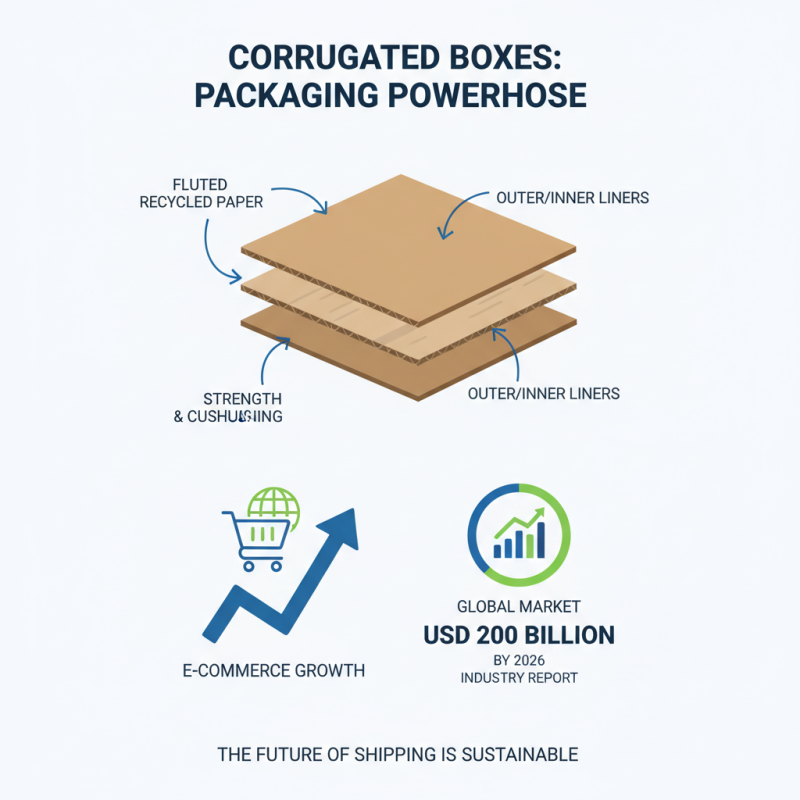
Corrugated boxes are crucial in the packaging industry. These boxes are made from a flute of recycled paper sandwiched between two liners. This structure provides strength and cushioning, making them a preferred choice for shipping goods. According to a recent industry report, the global corrugated box market is expected to reach USD 200 billion by 2026, driven by e-commerce growth.
The design of corrugated boxes is not uniform. Different flute sizes offer various levels of protection. For instance, single-wall boxes are suitable for lightweight products, while double-wall boxes can handle heavier items. Statistics show that 48% of consumers consider packaging sustainability in their purchase decisions. This demand for eco-friendly materials drives innovation in box production.
Despite their many advantages, there are areas for improvement. Some corrugated boxes may not be as durable under extreme conditions. Shipping delays can lead to damaged products if the packaging fails. Understanding the limitations of these boxes is vital for companies aiming to enhance their packaging solutions. Analyzing failure points can lead to stronger designs and better performance in logistics.
Types of Corrugated Boxes: A Comprehensive Overview
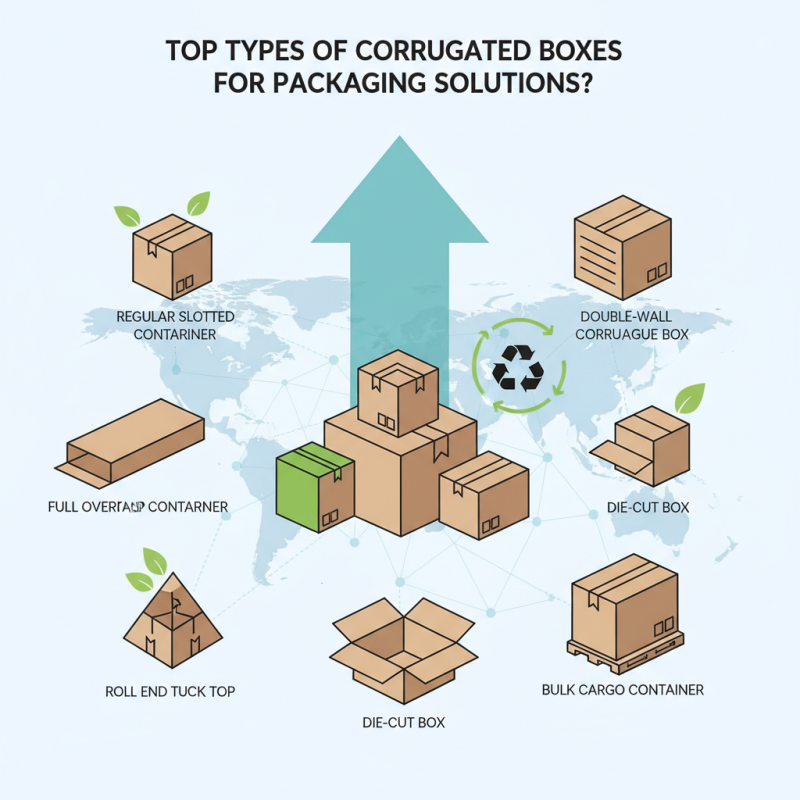
Corrugated boxes are essential for various packaging needs. They come in several types, each designed for specific purposes. Regular slotted containers (RSC) are among the most common options. They have flaps that meet in the center, providing strength. Some prefer die-cut boxes for their unique shapes and better fit for products.
Another popular type is the five-panel folder. This box style is ideal for flat items, such as artwork or documents. It offers excellent protection but can be tricky to assemble. The telescope box, with separate top and bottom sections, provides flexibility. It allows for different heights based on the product.
Choosing the right corrugated box can be challenging. Not every type will suit every product. For instance, heavy items require sturdier designs. It’s important to consider the weight and fragility of the contents. Testing different styles may reveal shocking results. The perfect box might not be what you first envisioned.
Advantages of Using Corrugated Boxes in Packaging
Corrugated boxes have become a popular choice for packaging. One major advantage is their lightweight nature. This characteristic reduces shipping costs, making them a cost-effective solution for businesses. Companies can transport more products at once and save money.
Another significant benefit is their strength. Corrugated boxes provide excellent protection during transit. They resist crushing and damage, keeping items safe. The durability of these boxes can be impressive, but sometimes they can be prone to moisture. Proper storage and handling are essential.
Furthermore, these boxes are environmentally friendly. Made from recyclable materials, they contribute to sustainability. However, not all corrugated boxes are created equal; some may not be as sturdy as expected. It's important to choose the right type for specific needs. Their versatility in design allows for creative branding opportunities, but poor design choices can lead to confusion in packaging. Finding the right balance is crucial.
Applications of Corrugated Boxes Across Various Industries
Corrugated boxes are versatile packaging solutions used across various industries. They are
lightweight yet strong, making them ideal for shipping fragile items. The global
corrugated box market was valued at approximately
$150 billion in 2022, with a steady growth rate projected for the coming years.
This reflects the importance of packaging in today's economy.
In e-commerce, corrugated boxes have become essential.
They ensure goods reach customers safely. According to a study, nearly 75% of
online purchases are shipped in corrugated packaging. This demonstrates the industry's reliance on these boxes. In
sectors like food and beverage, they provide protection and maintain freshness. Many companies now use recycled
materials, highlighting sustainability in their practices.
Tips: Choosing the right size is crucial.
Too big can lead to damage, while too small can cause stress. Always test different designs to find the most
effective solution. Remember, packaging reflects your brand's values. Imperfections in design might indicate room
for improvement. Evaluate your options carefully for better efficiency.
Factors to Consider When Choosing Corrugated Box Types
When choosing the right type of corrugated box, several factors come into play. Understanding the product’s weight and dimensions is crucial. A box too large can lead to damage. Conversely, a box too small can result in crushed products. Industry data shows that 40% of damages occur due to improper packaging.
Material type is another consideration. Most corrugated boxes come in three designs: single-wall, double-wall, and triple-wall. Single-wall boxes are light but may lack strength. Double-wall boxes provide added durability. Depending on the product, shipping conditions are vital. A report by the Fibre Box Association states that around 70% of boxes are used for shipping.
**Tip:** If shipping heavy items, opt for double-wall boxes to ensure safety and integrity.
Custom sizes can enhance protection. However, using standard sizes can save costs. Many businesses overlook this and pay for custom shapes unnecessarily. It’s essential to balance cost with function.
**Tip:** Always test packaging solutions before mass production to prevent expensive mistakes later on. Emphasizing sustainability has also become crucial. Over 60% of consumers prefer brands that prioritize eco-friendly packaging.
In summary, highlight key criteria like material strength, packaging size, and sustainability when choosing corrugated boxes. Matching the right box with your product can make a significant difference.
Top Types of Corrugated Boxes for Packaging Solutions
This chart represents the different types of corrugated boxes used in packaging solutions, along with the percentage of their common usage in various industries. The data illustrates the popularity and application of each box type.