Top Trends in Folding Boxes for Global Buyers in 2026?
As we approach 2026, folding boxes are set to become a focal point in packaging innovations. Global buyers are increasingly prioritizing sustainability, efficiency, and design. This shift in consumer preferences drives manufacturers to explore new materials and production techniques. Folding boxes are not just functional; they are becoming a canvas for branding.
The market is evolving rapidly. Biodegradable materials and recyclable designs are now essential. Buyers demand solutions that meet environmental standards while still offering aesthetic appeal. Many brands are experimenting with unique shapes and colors to stand out. This evolution invites a reflection on the balance between creativity and practicality.
However, challenges remain. Not all buyers are aware of the latest trends in folding boxes. Some companies still rely on traditional designs that may fall short in meeting modern expectations. In this dynamic landscape, staying informed and adaptive is crucial. Understanding how folding boxes can enhance both packaging and brand identity will define success moving forward.

Emerging Materials in Folding Box Manufacturing for 2026
In 2026, the folding box industry is set to witness a significant transformation driven by innovative materials. Sustainable options are becoming increasingly popular. These materials often prioritize recyclability and environmental impact. For instance, biodegradable plastics and plant-based inks are emerging solutions. They offer functional benefits while minimizing harm to the planet.
Another trend involves the use of lightweight materials that maintain strength and durability. Innovations in corrugated cardboard are making it possible. This shift makes packaging easier to handle and reduces shipping costs. However, achieving the right balance between weight and protection can be challenging. Manufacturers must continuously test these materials to ensure quality and performance.
Recyclability plays a crucial role in the decision-making process for buyers. Many are re-evaluating their supply chains and looking for more eco-friendly choices. The need for education around these new materials remains. Buyers must understand trade-offs, such as cost versus sustainability. The journey toward greener packaging is filled with both victories and obstacles. Each step provides valuable insights for future developments.
Sustainability Practices Shaping the Future of Folding Boxes
In 2026, sustainability will be a driving force in the folding box industry. A report from Smithers states that the global sustainable packaging market is expected to reach $500 billion by 2027. This transition reflects a growing demand for eco-friendly options among consumers and businesses alike. The push for sustainable materials, such as recycled paper and biodegradable plastics, is reshaping how folding boxes are designed and produced.
Manufacturers are increasingly adopting practices that minimize waste. Data indicates that over 70% of folding box producers are implementing recycling initiatives. These practices not only reduce environmental impact but also optimize resource usage. However, challenges persist. Finding affordable, sustainable materials can be difficult. Additionally, achieving the balance between durability and eco-friendliness remains a topic of discussion.
Furthermore, brands are under pressure to meet consumer expectations for transparency. Approximately 80% of consumers prefer products packaged in sustainable materials. This shift signifies more than a trend; it’s a fundamental change in consumer behavior. The industry must adapt or risk being left behind. Striking a balance between innovation and sustainability will be essential as we move forward. The journey is complex, and reflection on practices and materials will determine the future of folding boxes.
Innovative Design Trends in Folding Box Aesthetics
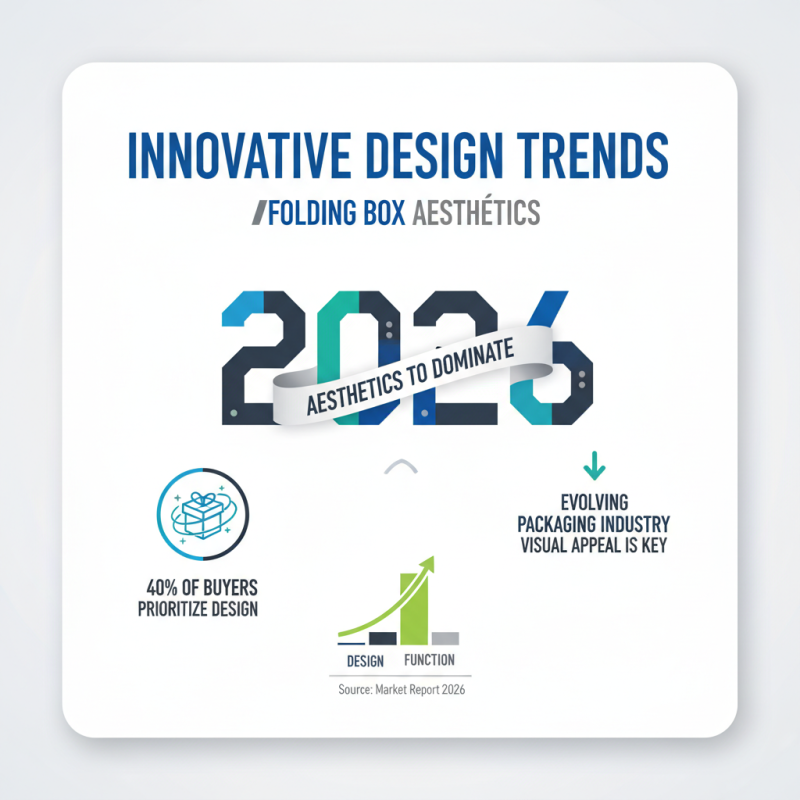
The folding box industry is evolving rapidly. In 2026, aesthetics will dominate this sector. According to a recent market report, 40% of buyers prioritize design when selecting packaging. This emphasizes the growing importance of visual appeal in packaging.
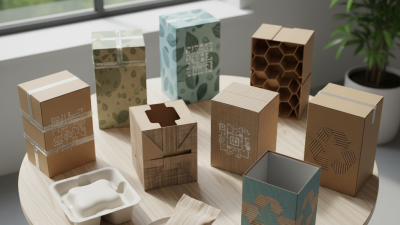
Innovative designs are emerging. Sustainability is a key trend. Many companies are now using biodegradable materials. This shift reflects consumer demands for eco-friendly options. Unique shapes and vibrant colors are also making waves. These elements capture attention on crowded shelves. Data shows that customized designs can increase sales by 15%.
However, not all innovations resonate with consumers. Some designs, while creative, may sacrifice functionality. Balancing aesthetics with practicality is crucial. Feedback indicates that users still prefer intuitive and easy-to-open boxes. Packaging should enhance the product experience without complicating it. The challenge lies in creating visually stunning boxes that remain user-friendly.
Smart Packaging Solutions in Folding Boxes for Enhanced User Experience
In 2026, the demand for smart packaging solutions in folding boxes is expected to rise. As consumers prioritize sustainability and convenience, innovative designs will be critical. According to industry reports, the smart packaging market is projected to grow at a CAGR of 8.5% between 2021 and 2026. This trend will shape how goods are presented and protected.
Interactive elements in folding boxes enhance user experiences. QR codes, NFC technology, and unique designs allow consumers to engage with brands on a deeper level. Reports indicate that approximately 75% of consumers prefer packaging that offers additional information or interactivity. They crave experiences that go beyond just the product.
Yet, challenges exist. Not all consumers appreciate the complexity of smart packaging. Some may find excessive interactivity overwhelming. Balancing innovation with simplicity is essential. Packaging must communicate effectively without losing the essence of user-friendly design. Industry experts suggest continuous feedback loops with consumers, ensuring designs evolve in alignment with user expectations.
Market Insights: Consumer Preferences Driving Folding Box Trends
As consumer preferences shift rapidly, folding boxes are evolving to meet modern demands. According to a recent report by Smithers Pira, the global folding box market is projected to reach $62 billion by 2026. A key driver of this growth is sustainability. Many consumers now prioritize eco-friendly packaging. This means brands are seeking materials that are recyclable and biodegradable.
Notably, aesthetics also play a crucial role. A study from Technavio highlights that 72% of consumers are influenced by packaging design when making purchasing decisions. Brands are experimenting with unique shapes and vibrant colors to attract attention. For example, minimalist designs are trending, as they communicate quality and sophistication. However, not all consumers respond positively to minimalism. Some still prefer vibrant, eye-catching packages that stand out on shelves.
Market research underscores the importance of functionality. Many buyers demand boxes that offer convenience, such as easy access and resealability. However, balancing functionality with visual appeal can be challenging. Brands must navigate these complexities to meet expectations effectively. The dynamic nature of consumer preferences calls for ongoing innovation in the folding box sector.